
Category: Health and Environment

  • Association, Foundation move to check negative herbal practices, yahoo ritualism, others in Enugu

    Association, Foundation move to check negative herbal practices, yahoo ritualism, others in Enugu

    Association, Foundation move to check negative herbal practices, yahoo ritualism, others in Enugu

    The Association of Herbalists in Enugu Ezike in Igboeze South Local Government Area of Enugu State has taken an oath to only engage in positive herbal practices meant to save lives and uplift society.

    The members of the association, individually, took an oath against aiding yahoo boys who engage in human ritualistic killing and sacrifices; preparing charms for armed robbers, kidnappers and spiritual poisoning of anybody without a just course.

    Administering the oath at the “Emume Ihu Ji Afo 2026” (meaning Festival of Roasting New Yam, 2026) in Enugu Ezike on Monday, Counsel to the association, Dr Ejikeme Odumegwu, said that the oath was imperative to check criminality and emerging evils.

    Odumegwu, who is the convener of the festival, noted that the emerging evils, most times involving the youths who want to make quick money, and had generally created an unsafe environment in communities and society.

    According to him, no one is condemning herbal practices as it was sanctioned by God even in the Holy Bible, where it said that ‘I have created herbs and roots for the cure of the nations’.

    “What we stand here to condemn and this oath will take care of is using same herbs and roots for negative and evil purpose or using them to assist evil doers in their wicked and deadly schemes due to economic reasons.

    “We have found out that due to the evil of get-rich-quick syndrome most times by youths; people are no longer safe; while some herbalists help these youths to prepare charms or get concoction for these evil acts.

    “Our place, Enugu Ezike is globally known to have finest herbalists, whose herbal work have age-long efficiency on those they treat and we dont want to loose such God given privilege due to activities of few who engage in evil.

    “So every member of the association and its leadership have wholeheartedly agreed to take the oath and check evil practice in its entirety,” Odumegwu said.

    He noted that enhance forth after the oath taking, anybody wishing to practice herbal medicine in Enugu Ezike must be duly registered with the association, while the association identifies the person’s specialisation of practice, location and background.

    Odumegwu said, “I have a case being handled by my foundation – Owelle Ejikeme Odumegwu Foundation – where we are tracking people that involved themselves in ritual killing of a pregnant nurse from Enugu Ezike community in Ogbunike community in Anambra.

    “The police has almost arrested everyone involved in the wicked “Okeite” money ritualism killing of our sister, Mrs Ngozi Idoko, and Enugu Ezike people have vowed that anybody involved will be prosecuted and punished by the law; and our land and ancestors.”

    Earlier, the General Secretary of Association of Enugu Ezike Herbalists, Mr Barnabas Okechi, said that the leadership of the association, duly registered with the government and Corporate Affairs Commission, was “backing the traditional oath taking by its members”.

    “The association stands for truthful and responsible herbal practice that save lives and protect the community and larger society from harm; and we will not subject ourselves to compromise that bring evil on everyone,” Okechi said.

    Speaking, Rev. John Ezeh of Assemblies of God Church in Umuopu, Enugu Ezike, appreciated the association and Odumegwu for championing the course for responsible and positive herbal practices meant to check criminality and emerging evils.

    Collaborating, Rev. Fr. Stan Ugwu, Parish Priest of St. Paul Parish, Umuopu, Enugu Ezike, who alluded to the Holy Bible; noted: “For any evil done there is nemesis following it. You must get a pay back”.

    Ugwu said, “I appreciate what the association and Odumegwu’s Foundation have set out to do in order to check the evil happenings in other parts of the country not to enter Enugu Ezike or entire Enugu State.

    “Many things are going wrong in our society especially among our youths and needed decisive action of elders especially this association practical step today not to support misguided youths and be in the vanguard of talking against these evils.”

    The festival featured a lecture titled: “Man and His Environment: Herbalism in Abstract – Human Ritual Killing”.

  • Lassa Fever: Enugu Govt. urges healthcare workers, public on preventive measures

    Lassa Fever: Enugu Govt. urges healthcare workers, public on preventive measures

    Lassa Fever: Enugu Govt. urges healthcare workers, public on preventive measures

    The Enugu State Government has urged  healthcare workers and the general public on ensuring prevention of any case of Lassa Fever within the state.

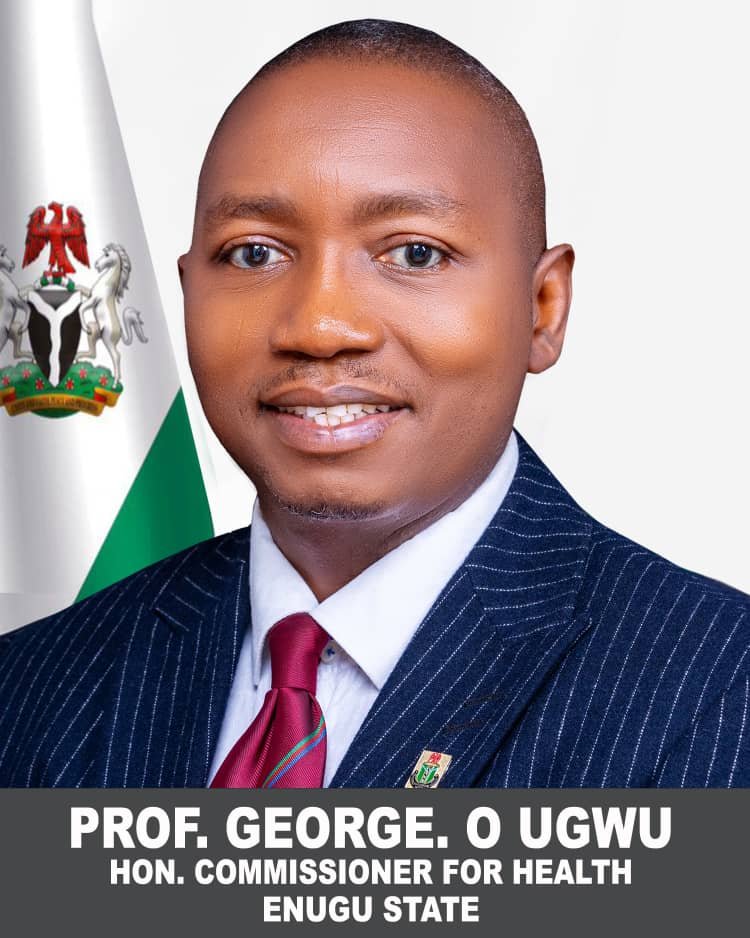
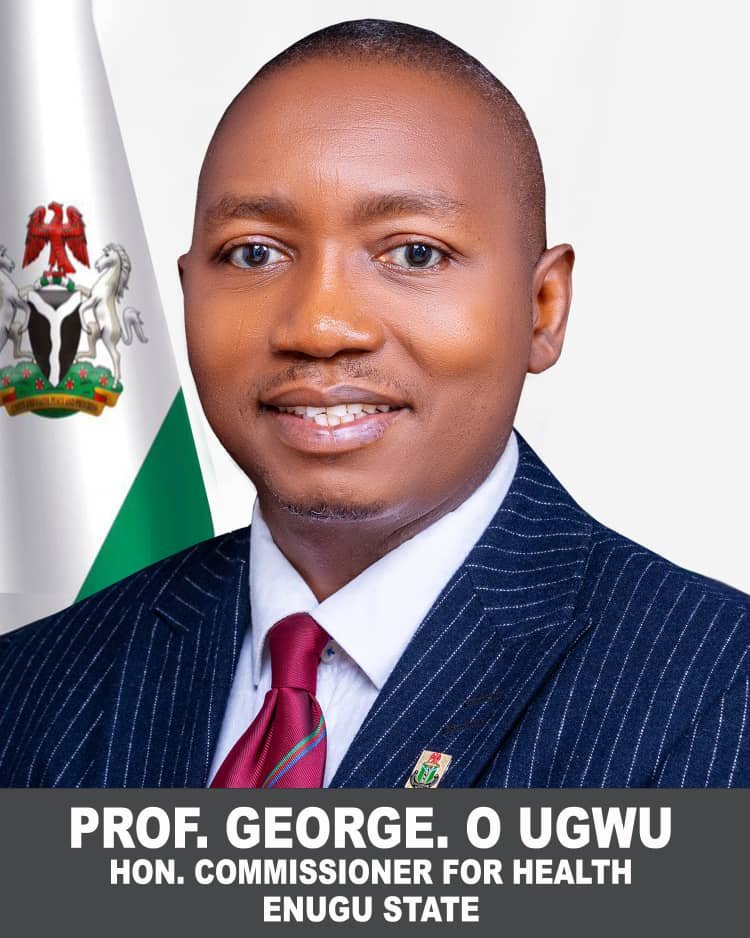
    The Commissioner for Health, Prof. George Ugwu, said this in Enugu while briefing journalists on the State of Lassa Fever Prevention Preparedness in Enugu State.


    Ugwu said that Benue, a neighboring state had reported 250 suspected cases, 45 confirmed cases and 10 deaths among healthcare workers recently.


    He also said that recent situation report showed more than six confirmed cases were recorded in Ebonyi, another neighbouring state.


    According to him, no confirmed case of Lassa Fever in Enugu State yet but due to shared borders with Benue and Ebonyi States, we are now in a high alert phase and engaging our partners.


    On the advisory to healthcare facilities and workers, the commissioner said that sorting of patients was mandatory for all patients at a designated point of health facility.


    The commissioner said that patients with symptoms and signs of infectious diseases should be referred to facilities with capacity to manage them.


    “Facilities, especially, tertiary facilities must provide a holding area for suspected cases and immediately alert the state through proper notification channel.


    “Strictly follow Infection Prevention and Control (IPC) guidelines; use appropriate Personal Protective Equipment (PPE) when attending to suspected cases.


    “Maintain a high index of suspicion for persistent fever not responding to malaria treatment and ensure proper waste disposal and disinfection procedures,” he said.


    Ugwu urged the general public to maintain a rodent-free environment, keep homes and surroundings always clean and block holes in walls and floors to prevent rats from entering and clear bushes around houses.


    He also advised the general public to store grains and other food items in tightly sealed containers and avoid drying food items by the roadside or in open spaces where rodents can contaminate them.

    “Wash hands regularly with soap and clean water; use hand sanitisers where water is not available as well as wash fruits and vegetables thoroughly before consumption.


    “Do not handle or consume rats or other rodents as food as well as avoid contact with the blood, urine, feces, or body fluids of any sick person.


    Ugwu also urged the public to report immediately to the nearest health facility if they experienced symptoms such as persistent fever not responding to malaria treatment, headache and general weakness.


    Other symptoms he listed were vomiting or abdominal pain; bleeding from nose, mouth, or other body openings.


    “Early professional treatment in a health facility greatly increases chances of survival and avoid all forms of self-medication,” he said.


    The professor urged media practitioners to only disseminate only verified information from the health ministry and help promote accurate prevention messages.


    He said that the state government had elevated its surveillance to “Enhanced Mode” in all the Local Government Areas (LGAs) and especially in the hotspot LGAs and had set up Rapid Response Teams across all LGAs.


    “Commodities such as Personal Protective Equipment, medicines and body bags for safe-burial have been pre-positioned and risk communication materials are being deployed in local languages.


    “If you see something, say something. Call the following numbers: 0803 743 1577 (the Director, Public Health and Incident Manager) and 0803 337 5344 (the State Epidemiologist),” he added.


    It would be recalled that Nigeria has reported 1,469 suspected cases, 318 confirmed cases and over 70 deaths.


    The outbreak of Lassa fever, a deadly disease, caused by rodent body fluid contamination, has been confirmed in several states across Nigeria, including: Taraba, Ondo, Bauchi, Edo, Benue, Nasarawa, Kogi and Ebonyi States.

  • Navy inaugurates medical facility in Enugu community

    Navy inaugurates medical facility in Enugu community

    Navy inaugurates medical facility in Enugu community

    The Nigerian Navy has inaugurated a multi-million naira Primary Health Care (PHC) facility in Ugbawka ccommunity, Nkanu East Local Government Area of Enugu state to improve healthcare delivery.


    The facility was built under a special “Quick Impact Project” of the Chief of the Naval Staff in honour of Rear Adm. Patrick Nwatu (Rtd).


    Unveiling the facility on Friday in the community, the Chief of Naval Staff (CNS), Vice Adm. Idi Abbas, said that the facility represented the Navy’s committed to social positive impact and social corporate responsibility.


    Abbas said that the navy would continue to touch lives across the country and give due honour to naval serving senior officers, who have served the country meritoriously for decades.


    Represented by the Director of Veteran Affairs, Rear Adm. Raheem Taofeek, the CNS said that civil military affairs was meant to improve civil relationship and build trust.


    According to him, this project is in furtherance of the Renewed Hope Agenda of President Bola Tinubu, which the Nigerian Navy has keyed into.


    “The navy has 33 quick impact projects across the country and they are done to honour our distinguished and decade-long serving top senior officers and we are poised to do more.


    “The facility will surely improve healthcare and wellbeing of the people in the community and attract quality health professionals to the community,” he said.


    Responding, Gov. Peter Mbah, represented by the Commissioner for Health, Prof. George Ugwu, said that the state government had already furnished the PHC facility with furniture, health equipment and healthcare professionals.


    “The state government has posted medical professionals to work 24 hours, since the facility have accommodation and solar-powered electricity to ensure steady electricity and lightening of the facility at night hours.


    “We are challenging political office holders and. philanthropists to create access to the facility by enrolling the residents into state insurance coverage of N12,000 per person, per year,” Mbah said.


    Speaking, Member representing Nkanu East and Nkanu West Federal Constituency, Chief Nnoli Nnaji, commended the navy for partnering with the state government and community to ensure the functionality of the facility.


    “I represent 28 wards in my constituency. I am giving 50 persons per ward a health insurance coverage and we will find ways to get tricycle ambulances in the constituency.


    “We are grateful to the chief of naval staff and entire navy authorities for this great gesture meant to touch lives and improve healthcare of generations in this community and constituency,” Nnaji said.


    The traditional ruler of the community, Igwe Sunday Nwobodo, appreciated the CNS and the entire naval authorities for honouring their son – Rear Adm. Patrick Nwatu (retired) – by building the medical edifice.


    Nwobodo, who paid for pre-registration cards for the first 100 people to seek health needs from the facility, assured that the community would support the facility.


    “We, the community, are taking 100 per cent ownership of this PHC facility. We will ensure it works for our people and the facility is well-protected,” he said.


    In appreciation, Rear Adm. Patrick Nwatu (retired) lauded the CNS for approving and funding the project as well as appreciated the community, Enugu State Ministry of Health and the state government for partnering in the project.


    “We decided that the facility would be named after our illustrious late father and then Igwe-elect, Maj. Emmanuel Nwatu, who dedicated his life for the well being and progress of Ugbawka community,” Nwatu said.

  • Nursing, Midwifery Council inducts 206 foreign -trained Nurses

    Nursing, Midwifery Council inducts 206 foreign -trained Nurses

    By Mohammed Baba Busu

    The Nursing and Midwifery Council of Nigeria (NMCN), on Thursday inducted no fewer than 206 foreign -trained Nurses into the profession.

    Speaking at the historic event in Abuja on Thursday, the Registrar/CEO of the council, Alhaji Alhassan Ndagi stated that the inducted nurses graduated from 15 institutions in foreign countries and had their adaptation programme in ten institutions in Nigeria.

    The nurses were inducted into the profession after completing a compulsory six-month adaptation programme conducted in 10 Nigerian universities and passing the Nursing and Midwifery Council of Nigeria (NMCN) professional examination.

    He said, “the inductees graduated from 15 institutions across several countries, including the Niger Republic (62), Ghana (35), Cameroon (35), India (22), Cyprus (19), the Philippines (9), Sudan (9), Egypt (5), Turkey (2), and Ukraine (1).

    As part of the registration process, all successful foreign-trained nurses are required to undergo formal induction, similar to their counterparts trained in Nigeria.

    According to Ndagi, the council is unwaveringly committed to providing well-equipped nurses and midwives who can deliver high -quality nursing care at all levels of the country’s healthcare system and beyond.

    The registrar appealed to the newly inducted nurses to prioritise the interests of Nigerians and willingly serve the country.

    He said that this was more imperative especially in areas with significant healthcare needs such as hard-to-reach communities.

    Ndagi further encouraged them to be exemplary ambassadors of the nursing profession in the discharge of their arduous responsibilities.

    The registrar also urged, “Demonstrate humility, discipline and respect in your interactions with the public.

    “Let kindness and compassion guide your care for all patients.

    “Practice in accordance with the higher ethical standards of the profession and uphold the fundamental responsibilities of a professional nurse wherever your career may take you to.”

    He further admonished the inductees to prioritise the well-being of their patients, advising, “but remember to also care for yourselves.”

    Ndagi also urged them to embrace the culture of lifelong learning and explore opportunities available for self development and acquisition of higher Degrees as well as ascendancy in the nursing profession.

    He advised, “It is important to contribute to the elevation of the nursing profession to an enviable pinnacle.

    “Discipline yourself in using social media especially at period of your professional duties.

    “Please note that you are now solely responsible for your nursing actions and you should maintain high level of professionality in all you do.”

    Ndagi reminded the new nurses that they would work under strict supervision of seasoned colleagues at their internship centres.

    Ndagi explained that Nigeria was no longer facing a shortage of trained nurses, following the expansion of training capacity and the introduction of new retention measures.

    Responding to concerns about Nigerians studying nursing abroad despite the availability of accredited programmes locally, he acknowledged the concern but said the number involved was relatively small.

    In his remarks, the Chairman of the occasion and the immediate past National Chairman of the All Progressives Congress (APC) and former Governor of Kano State, Dr Abdullahi Ganduje, said reforms introduced by the Federal Government were gradually reversing the trend of outward migration.

    Ganduje expressed optimism that ongoing reforms under President Bola Tinubu’s administration would further strengthen the health sector and encourage professionals to remain in the country.

    “To now finish the internship and decide to go back to where they were coming from after the government has spent some investment on them? I assure you it will be a different story because the reforms undertaken by the present government will turn the tide,” he said.

    According to him, improvements in health service delivery were already influencing the decision of many Nigerians trained abroad to return and practise locally.

    “I think it is a welcome development because when we have our own children studying abroad and then coming back and joining the service, that is very encouraging,”

    Other speakers at the event advised the inductees, who will proceed on a one-year internship followed by the National Youth Service, to take their training seriously, uphold confidentiality, and adapt to the evolving needs of patients.

    The event also featured the presentation of awards to outstanding inductees and the institution that produced the overall best inductee, Cynthia Okwor.

    The inductees also took the Oath of Allegiance, pledging to maintain confidentiality and abstain from acts harmful to patients.

  • Nursing and Midwifery Council of Nigeria boosts Capacity with Int’l support

    Nursing and Midwifery Council of Nigeria boosts Capacity with Int’l support

    By Mohammed Baba Busu

    The Nursing and Midwifery Council of Nigeria (NMCN) has received a significant boost to its capacity to train and regulate nursing and midwifery professionals in the country.

    The support, worth millions of Naira, was received from esteemed international partners, including the Gates Foundation, United Nations Population Fund (UNFPA), World Health Organisation (WHO), and Health Information Systems Advisory.

    The support, launched on February 3, 2026, aims to enhance nursing and midwifery education and practice in Nigeria.

    Key areas of focus include the procurement of midwifery training items, development of a Mandatory Professional Development Programme on Post Partum Haemorrhage, and the review of various curricula of nursing and midwifery programmes.

    Speaking at the launch, which was organised by the Nursing and Midvery Council of Nigeria (NMCN), the Coordinating Minister of Health and Social Welfare, Prof. Muhammed Ali Pate, represented by Tetshoma Dafeta, Director, overseeing the office of the Permanent Secretary, said the initiative was aimed at improving the quality of nursing and midvery education, especially in the face of Nigeria’s high maternal mortality burden.

    Ali Pate praised the initiative, highlighting its potential to improve healthcare outcomes in Nigeria.

    “This support is a testament to the commitment of our international partners to strengthening Nigeria’s healthcare system,” he said.

    The support also includes the development of an Electronic Learning Management Platform, Organisational Capacity Assessment, and the development of Students’ Record of Instructions booklets for Neonatal and Gerontology Nursing.


    The Registrar/CEO of the Nursing and Midwifery Council of Nigeria, Alhaji Ndagi Alhassan, welcomed guests to the official launching and distribution of supports received from international partners.

    The Registrar expressed gratitude to the international partners, stating that the support would go a long way in enhancing the quality of nursing and midwifery education and practice in Nigeria

    He acknowledged the presence of the Honourable Minister of Health and Social Welfare, senior officials, development partners, and representatives from Gates Foundation, WHO, UNFPA, and HISA.

    Alhassan expressed gratitude for the support, which aims to enhance nursing and midwifery education and practice in Nigeria. He highlighted the Council’s commitment to strengthening the healthcare system and improving patient care.

    The event marked a significant milestone in the Council’s efforts to advance nursing and midwifery in Nigeria, with collaborations aimed at enhancing midwifery training.

    He said that it would also greatly help in.initiaiting professional development programmes,.reviewing curricula, improving learning platforms and building organisational capacity, among others.

    The epochal event was attended by representatives from the international partner organisations, nursing and midwifery professionals, and other stakeholders in the healthcare sector.

  •  PRESS RELEASE BY DIRECTOR GENERAL, NATIONAL AGENCY FOR FOOD AND DRUG ADMINISTRATION AND CONTROL, PROF MOJISOLA CHRISTIANAH ADEYEYE

     PRESS RELEASE BY DIRECTOR GENERAL, NATIONAL AGENCY FOR FOOD AND DRUG ADMINISTRATION AND CONTROL, PROF MOJISOLA CHRISTIANAH ADEYEYE


     PRESS RELEASE BY DIRECTOR GENERAL, NATIONAL AGENCY FOR FOOD AND DRUG ADMINISTRATION AND CONTROL, PROF MOJISOLA CHRISTIANAH ADEYEYE

    SURVEY ON UNDERAGE DRINKING AND ABUSE OF ALCOHOL: ACCESS TO ALCOHOL AND FREQUENCY OF CONSUMPTION

    [Study Sponsored by The Distillers and Blenders Association of Nigeria (DIBAN) in Collaboration with NAFDAC.  Conducted by Research and Data Solutions Ltd, Abuja]

    Alcohol is one of the most widely used substances of abuse among youths and it is a growing public health concern in Nigeria (Olujide et al, 2019). Several studies on alcohol indicate that within the last few decades, there has been a rapid increase in alcohol availability, production, importation, and consumption across all age groups in Nigeria (Victor et al, 2018).  The availability and easy access to alcohol have been identified as a contributory factor to the increasing alcohol consumption among minors.

    Given this, the Distillers and Blenders Association of Nigeria (DIBAN) in collaboration with the National Agency for Food and Drug Administration and Control (NAFDAC) conducted a survey in 2021 on Underage Drinking and Abuse of Alcohol in Nigeria. DIBAN sponsored the study which was conducted by Research and Data Solutions Ltd, Abuja.

    The overall objective of the research was to undertake a national survey of consumers and retailers of alcohol beverages and wines, and to determine the extent of alcohol abuse among underaged persons in Nigeria. The study was conducted between June and August 2021

    A total of 1,788 respondents in six states across the six geo-political zones of the country were approached (Table 1) and included in the survey after they agreed to participate in the quantitative survey, using a multiple-choice questionnaire. Both the data collectors and enumerators were trained for the survey.  The sample size required to generate sound statistical inferences from the survey was calculated to be 1,712 based on the following parameters: Z-score of 1.96 for 95% confidence level (α=0.05) at 80% statistical power (β=20%).

    Respondents who were less than thirteen (13) years of age were referred to as minors while those who were thirteen (13) to seventeen (17) years of age were referred to as underaged.   Those eighteen years and above were referred to as adults.

    Zone State Sample size
    North East Gombe 147
    North West Kaduna 385
    North Central FCT 127
    South East Anambra 264
    South West Lagos 539
    South South Rivers 326
    Total   1,788


    Sample size for quantitative survey

    In addition, qualitative information was obtained from 161 persons who participated in the qualitative survey. A total of 14 Focus Group Discussion (FGD) sessions were conducted among male and female minors and the underaged in study states, and two sessions in each state, with the exception of Lagos state where four (4) FGD sessions were conducted. Similarly, 21 Key Informant Interviews (KII) sessions were conducted with male and female retailers of alcoholic beverages and shop owners: three (3) sessions were held in each state except for Lagos state, where six (6) KII sessions were held. In total, 140 persons participated in the FGD sessions while 21 persons participated in the KIIs sessions, See the table below.

    Sample size for qualitative data collection

    Zone State KII sessions Persons FDG sessions Persons Total samples
    North East Gombe 3 3 2 20 23
    North West Kaduna 3 3 2 20 23
    North Central FCT 3 3 2 20 23
    South East Anambra 3 3 2 20 23
    South West Lagos 6 6 4 40 46
    South South Rivers 3 3 2 20 23
      Total 21 21 14 140 161


    Selection and Sampling of respondents for data collection

    Respondents for the quantitative data collection were identified in communities from study Local Government Areas (LGAs) and randomly sampled in households, retail points of alcoholic beverages, Bars and restaurants, motor parks, and schools. In all cases, consent was obtained from each participant before the commencement of the data collection process. Experienced and trained data collectors used the KoboCollect data collection App to collect quantitative data from consenting respondents.

    Similarly, FGD participants were minors and underaged children, purposively selected from communities in study LGAs. In addition, retailers of alcoholic beverages were identified in the communities and purposively selected for the KII session.

    Access to alcohol by minors and underaged

    The Figure below presents the percentage distribution of minors and underaged children according to their level of access to alcoholic beverages. Findings suggest that 54.3% of minors and the underaged obtained alcohol by themselves from various sources.  However, 49.9% of them patronized retailers of drinks sold in sachet packs and pet bottles. A lower proportion of this population patronized liquor stores (15.4%), restaurants (12.6%), and supermarkets (7.9%). Findings further suggest that the minors and the underaged in the study also accessed alcoholic drinks from friends and relatives (49.9%), as well as from social gatherings (45.9%).

    Of those who procured drinks for themselves, 47.2% of minors and 48.8% of the underaged procured drinks in sachets, while 41.2% of minors and 47.2% of the underaged procured drinks in pet bottles. About 27.6% of the underaged procured alcohol in glass bottles. The procurement of drinks in sachets and PET bottles was reported most in Rivers (68.0% and 64.5%), Lagos (52.3% and 47.7%), and Kaduna (38.6% and 28.4%) states compared to other study states. See the figure below. The proportion of drinks procured in sachets was higher among males (51.4%) compared to females (41.5%) and more in rural (50.1%) compared to urban (45.3%) locations.

    Frequency of alcohol consumption by minors and the underaged

    Figure 3 presents the percentage distribution of respondents according to the frequency of alcohol consumption. Findings from Figure 3 suggest that majority of the respondents (54.0%) are occasional drinkers, while 24.0% drink alcohol daily and 11.0% drink alcohol at least once a week.

    Further analysis of the survey data revealed that 63.2% of minors and 54.0% of the underaged drink alcohol occasionally, while 44.3% and 38.3% of adults drink alcohol occasionally and daily respectively. Additionally, 9.3% of minors and 25.2% of underaged children consume alcoholic beverages daily and 11.3% of minors and 9.4% of underaged consume alcohol at least once a week.


    Summary of findings

    1. Most minors and underaged (54.3%) buy alcohol for themselves
    2. On access to alcohol, 49.9% of minors and the underage access alcohol from friends and relatives, 45.9% of them at a social gathering, and 21.7% from parents’ homes.
    • Of the minors and the underaged who procure drinks for themselves, 47.2% of minors and 48.8% of the underaged procure drinks in sachets, 41.2% of minors, and 47.2% of the underaged procure drinks in pet bottles, while 27.6% of the underaged procure alcohol in glass bottles.
    1. Most minors (63.2%) and the underaged (54.0%) consume alcohol occasionally.


    Conclusions

    • Access to alcohol by children can be limited if pack sizes that can be easily concealed are not available.
    • Ban on small pack sizes (sachet and less than 200 ml bottles) can reduce the menace of underage drinking.
    • Consumption of alcohol should raise alarm for parents, teachers, religious leaders and the community at large.


    NAFDAC: Safeguarding the Health of the Nation


    Signed:
    Prof Mojisola Christianah Adeyeye, FAS
    Director-General, NAFDAC

    Abuja, Nigeria

    February 3, 2025

  • CALMHAF, UNTH Foundation administer holistic healthcare to  senior citizens in Enugu

    CALMHAF, UNTH Foundation administer holistic healthcare to  senior citizens in Enugu

    CALMHAF, UNTH Foundation administer holistic healthcare to  senior citizens in Enugu
    No fewer than 104 senior citizens in Ozalla community in Enugu State have benefited from holistic healthcare outreach of the Cope and Live Mental Health Awareness Foundation (CALMHAF) and the UNTH Foundation.
    The outreach by both NGOs, which was tagged: “The Total Care Mind and Body Outreach”, featured holistic physical, mental and dietary health checks and treatment as well as counselling for the elderly above 60 years.
    Speaking during the outreach on Wednesday in Ozalla community, the Executive Director of CALMHAF, Rev. Chukwudiebube Nwachukwu, said that the outreach targeted retirees and delivered integrated physical and mental health services to promote healthy aging.
    Nwachukwu said that key activities and services provided included: medical and dental screenings; wellness education sessions; mental health discussions on isolation, loneliness, and dementia; HIV/Syphilis combo testing and TB screening by CARITAS Nigeria Enugu office.
    He said, “These activities emphasised prevention, early detection, coping strategies and community support for seniors.
    “The attendees (beneficiaries) included individuals from low-income households, retired civil servants, farmers and homemakers, all above 60 years.
    “The high turnout to this outreach resulted from community announcements, flyers, and collaboration with local leaders such as Igwe S.A. Okereke, Traditional Ruler of Ishi Ozalla and Chief Obiora Okwuibe, President-General, Ozalla Development Union among others.”
    The executive director said that the outreach was funded by both foundations; thus, ensuring that all services, screenings, education sessions and refreshments were provided completely free of charge to participants or beneficiaries.
    Corroborating, the Chief Executive Officer of UNTH Foundation, Prof. Theresa Nwagha, said that approximately 70 per cent of beneficiaries received at least one referral for follow-up care in the University of Nigeria Teaching Hospital (UNTH) or CALMHAF Centre, Enugu.
    Nwagha noted that this highlighted the early detection importance of the outreach towards early diagnosis and treatment.
    “We extend deep appreciation to the approximately 50 dedicated medical personnel from UNTH and CALMHAF Centre for their exceptional clinical skills, commitment to integrated care, and invaluable contributions to the success of this outreach.
    “To contribute or partner, please contact us via: Websites: www.copeandlive.foundation and www.unthfoundation.org
    Email or phone details available on our platforms.
    Bank transfer options listed on our official websites.
    “The Total Care Mind and Body Outreach demonstrates the value of holistic health services for older adults, delivering immediate benefits and building a foundation for sustained healthy aging in our communities.
    “Other benefits of the outreach included: reduced strain on local healthcare facilities, stronger community ties, and improved well-being for seniors,” she said.
    One of the beneficiaries, Pa Jude Ozonweke, a retired civil servant, thanked both foundations for the free specialist consultation and referral for further follow-up on his waist pain..
    Another beneficiary, Ma Josephine Ani, appreciated the foundations for teaching her how best to control her anger and overlook faults of younger people around her in order to manage her blood pressure better.
  • CALMHAF, UNTH sign MoU to deepen mental healthcare access

    CALMHAF, UNTH sign MoU to deepen mental healthcare access

    CALMHAF, UNTH sign MoU to deepen mental healthcare access

    The Cope and Live Mental Health Awareness Foundation (CALMHAF) and University of Nigeria Teaching Hospital (UNTH) Foundation have signed a Memorandum of Understanding (MoU) to deepen mental healthcare access to Nigerians.

    The MoU was signed by both foundations under their joint “Total Care Mind and Body Initiative.”

    Speaking after the signing on Monday in Enugu, the Founder and Executive Director of CALMHAF, Rev. Chukwudiebube Nwachukwu, said that the historic agreement builds directly on the courtesy visit paid by the UNTH Foundation team earlier.

    Nwachukwu said that “Total Care Mind and Body Initiative.”, which the MoU is based on, would focus on holistic support for mental health issues in communities, especially the under-served.

    He said that the initiative was designed as a joint proactive, problem-solving Initiative that encourages early preventive steps and help-seeking behaviours; thereby, reducing emergencies and medical costs.

    Nwachukwu said, “As we step into 2026, I am filled with excitement and optimism, knowing that this powerful collaboration will profoundly enhance holistic wellbeing for everyone.

    “Thus, breaking down barriers, offering holistic healing and ensuring that no one in Enugu or beyond has to face mental health challenges alone.”

    He said that initiative would ensure communities in Enugu have access to integrated holistic care closer to home, with joint outreach programmes promoting early intervention, destigmatization campaigns, and free or subsidized mental health screenings alongside physical health services.

    According to him, this will particularly support vulnerable groups, including mothers, adolescents, low-income families, and rural populations who often face barriers to specialised care.

    “Healthcare providers at UNTH and affiliated facilities will receive training and resources to identify and address mental health concerns routinely, leading to more accurate diagnoses, better treatment adherence, and reduced readmissions due to unaddressed psychological factors.

    “As a model of successful integration, this partnership has the potential to influence healthcare policy and practices across southeastern Nigeria and beyond.

    “By demonstrating measurable improvements in patient resilience, family wellbeing, and community health indicators, it could inspire similar collaborations in other states, contributing to Nigeria’s broader goals of universal health coverage and sustainable development,” he said.

    Corroborating, the Chief Executive Officer (CEO) of UNTH Foundation, Prof. Theresa Nwagha, noted that at the heart of this partnership “is a profound recognition that mental health is inseparable from physical health.”

    Nwagha said, “I am absolutely thrilled about this transformative partnership and the immense promise it holds for the people of Enugu and beyond.

    “By uniting our expertise and resources, we are opening doors to truly integrated care that will profoundly impact lives, build stronger families, and create a more resilient and compassionate community for generations to come.”

    She said that UNTH foundation is currently expanding its mission to include emotional and psychological wellbeing; adding by partnering with CALMHAF, the foundation would creates a synergy that addresses health in its fullest sense.

    It would be recalled that Mental health continues to be critically underserved and non-prioritised in Nigeria; where stigma, limited resources, and lack of awareness often prevent individuals from seeking or receiving timely help.

  • IHVN empowers 1,200 households with food security, malaria prevention project

    IHVN empowers 1,200 households with food security, malaria prevention project

    By Rachael Abujah

    The Institute of Human Virology Nigeria (IHVN) has inaugurated a five-year food security and malaria prevention project aimed at empowering 1,200 vulnerable households in Katsina and Nasarawa States.

    This is contained in a statement issued by Ms Uzoma Nwofor, Senior Communications Manager of IHVN, on Saturday in Abuja.

    Nwofor said the project, inaugurated simultaneously in both states on Thursday, sought to promote sustainable agriculture, improved nutrition practices and malaria prevention among vulnerable families.

    She added that IHVN currently provides HIV services in four states and selected Katsina and Nasarawa based on empirical evidence of vulnerability, including poverty levels, malaria burden and HIV prevalence.

    Nwofor said a vulnerability assessment identified 400 households in Katsina and 800 households in Nasarawa as most at risk.

    According to her, the project aims to strengthen household resilience through food demonstration trainings using locally available foods, with trained community workers providing house-to-house follow-up support.

    She added that beneficiaries would also be trained in soap making to promote water, sanitation and hygiene practices.

    “The households have been grouped into three agricultural categories: 200 for livestock farming, 400 for home gardening and 600 for community farming to cultivate vitamin- and protein-rich crops,” she said.

    Nwofor said beneficiaries were provided with planting pots, animal shelters, livestock medications and fertilisers, while trained community workers would continue to supervise farming activities and introduce improved techniques.

    She further disclosed that IHVN was collaborating with 13 health facilities to facilitate referrals for malaria and severe malnutrition cases.

    She quoted the Project Director, Dr Victoria Igbinomwanhia, as saying at the inauguration that beneficiaries received livestock, including pigs, goats and chickens, as well as farming tools, seeds and training in livestock and crop production.

    According to her, the households were also trained in nutrition, financial management through Village Savings and Loan Associations (VSLA), and malaria prevention practices.

    Igbinomwanhia explained that the project was being implemented in collaboration with the Ministries of Agriculture and Food Security, Health, community-based organisations and traditional leaders to ensure sustainability.

    “This project builds on our years of public health interventions, particularly in caring for people infected and affected by HIV, including orphans and vulnerable children,” she said.

    A community worker, Ms Oluwayemisi Adeniji, expressed optimism that the project would improve household health and nutrition.

    “We expect beneficiaries to share the knowledge and skills gained with others in their communities and ensure that these skills are put into practice,” Adeniji was quoted as saying.

    Some beneficiaries, including Mrs Marakisiyya Yusuf, 35, and Mr Sulieman Mashi, 42, from Daura Local Government Area of Katsina State, said the training had already begun to make an impact.

    Yusuf said she learned how to use VSLA to save for the future and planned to establish a savings group in her community, while Mashi said he intended to start a savings group and teach his wife how to prepare balanced meals using knowledge gained from the nutrition demonstrations.

    The News Agency of Nigeria (NAN) reports that the project is being implemented by IHVN with funding support from BMZ/Gesundes Africa.

    NAN