

Category: Health and Environment

  • Community leader partners students, teachers on sensitisation against GBV in Sokoto

    Community leader partners students, teachers on sensitisation against GBV in Sokoto

    Community leader partners students, teachers on sensitisation against GBV in Sokoto

    The District Head of Bodinga, Bodinga Local Government Area of Sokoto State, Alhaji Bello Abdurrauf, has joined students and teachers on sensitisation against Gender Based Violence (GBV).

    The programme was conducted by United Nations (UN) Women, in collaboration with the Sokoto State Ministry of Women and Children Affairs aimed at championing the campaigns against GBV.

    Abdurrauf enjoined parents and teachers to promote awareness programme against all forms violence and need for youth especially girls to report incidents

    He described the strategic awareness initiative towards rising consciousness to eradicate GBV the society and underscored the importance of collective efforts against the menace.

    The traditional ruler stressed the need for the people to be united in the fight to protect the rights and dignity of all Nigerians, especially the most vulnerable.

    The district head said he led a march to commemorate 16 Days of Activism Against Gender-Based Violence (GBV) and urged stakeholders to support the drive against riding cases of GBV.

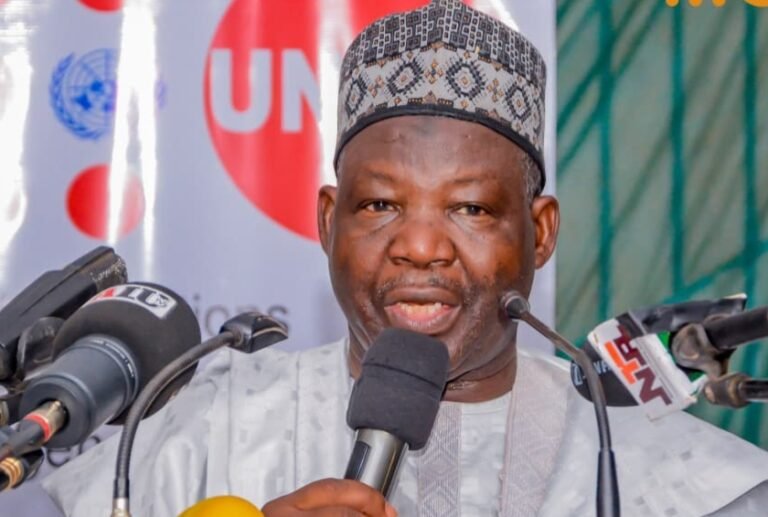
    Also speaking, the Permanent Secretary, Sokoto State Ministry of Women and Children Affairs, Alhaji Abubakar Alhaji, commended the UN Women on their support to tackle violence against women and girls

    Alhaji said the sensitisation, rally and the associated activities were to reflect collective resolve and call to action against gender-based violence in the society.

    Bodinga community have ratified a developed Gender-based Violence (GBV) and Harmful Practices prevention guidelines to harness the implementation of Violence Against Person Prohibition (VAPP) and Child Protection laws.

    The document was signed by the District Head and the Chairman of council, Alhaji Shehu Dingyadi, respectively, after a three-day Community Guideline Development meeting supported by UN Women.

  • Japan, SSDO partner to expand healthcare support in Enugu with medical waste incinerator project

    Japan, SSDO partner to expand healthcare support in Enugu with medical waste incinerator project

    Japan, SSDO partner to expand healthcare support in Enugu with medical waste incinerator project

     The Government of Japan has deepened its healthcare interventions in Nigeria by signing a grant contract with the South Saharan Social Development Organisation (SSDO) to implement a  medical waste management project.

    The agreement for “The Project for the Provision of Medical Waste Incinerator in East Enugu LGA, Enugu State” was formalised at a signing ceremony held at the Embassy of Japan in Abuja.

    The contract was signed by His Excellency. Mr Suzuki Hideo, Ambassador of Japan to Nigeria and Dr Stanley Ilechukwu, Executive Director of SSDO on Dec. 2, 2025.

    Signing the agreement, the ambassador of Japan said that the project would be funded under the Japanese Grant Assistance for Grassroots Human Security Projects (GGP), the project involves a financial grant of USD 66,309 (approximately N98.4 million).

    He said that the initiative was aimed to install a modern medical waste incinerator at the Abakpa Health Centre in Enugu East LGA.

    He noted that the project would serve as a centralised disposal hub for the host facility and other public and private health facilities within the Enugu East Local Government Area.

    Suzuki noted that the GGP scheme, a component of Japan’s Official Development Assistance (ODA), is designed to deliver direct impact on the well-being of grassroots communities.

    He congratulated SSDO on securing the grant and expressed confidence in the organisation’s capacity to deliver high-quality results that meet the needs of vulnerable populations.

    Responding, the Executive Director of SSDO, Dr Stanley Ilechukwu, described the project as a critical investment in building safer and more resilient healthcare systems.

    Ilechukwu explained that the installation would solve the challenge of medical waste management in the area by reducing the risks of secondary infections caused by open burning and improper disposal.

    “By providing a safe, local option for hazardous waste; we are easing the long-standing burden of transporting medical waste over long distances to the state’s cold store.

    “This intervention ensures that infection control is strengthened not just for one hospital, but for an entire cluster of health facilities,” he said.

    It would be recalled that the project’s approval followed a rigorous inspection visit to Enugu by GGP Coordinators Wakana Deguchi and Kenechukwu Adibe, who assessed the technical requirements and confirmed the site’s suitability.

    This initiative marks the second major collaboration between the Japanese Embassy and SSDO, building on the success of a 2021 GGP grant that funded a 56KVA solar power system at Poly General Hospital, Enugu.

    That project continues to ensure uninterrupted power and expanded service capacity for the hospital.

    The new incinerator project  had been applauded by received strong backing from the Enugu State Government and the Ministry of Health, under the leadership of the Commissioner for Health, Prof. George Ugwu.

    The infrastructure would be implemented with the support of the Enugu State Primary Health Care Development Agency led by its Executive Secretary, Dr Ifeyinwa Ani-Osheku, which would assume responsibility for its management and operation upon handover to ensure sustainability.

  • UITH Burn Expert Warns NURTW Members Against Fire Hazards on Roads, at Home

    Dr Olubunmi Aderibigbe of UITH, Ilorin addressing members of NURTW on how to prevent fire and burn

    By Felix Ajide

    …Says 441 Lives Lost to Road Fire Incidents in 2024

    Nigerian Burn Injuries Society has urged members of the National Union of Road Transport Workers (NURTW) in Ilorin to adopt safer practices on the road and at home in order to reduce the rising cases of fire incidents across the country.

    Speaking during a sensitisation organised by the Society to NURTW drivers in Ilorin on Thursday, Dr. Olubunmi Aderibigbe of the University of Ilorin Teaching Hospital (UITH), said Nigeria continues to record needless deaths and losses because of avoidable fire outbreaks, many of which are caused by human negligence.

    Aderibigbe, a burn expert, who recounted a recent trip to Ibadan, said he witnessed a fuel tanker that had been completely burnt along the highway.

    “Two years ago, many people died and we lost millions of Naira to road accidents caused by fire along Airport Road in Ilorin.

    “Fire incidents do not destroy vehicles alone—they destroy families, livelihoods, and entire communities.”

    He noted that fire management is no longer the responsibility of the Federal Road Safety Corps (FRSC), Fire Service or medical personnel alone, but a shared duty involving transporters, drivers, and every road user.

    “We are all stakeholders because fire recreates people it attacks, spreads very fast, and destroys everything in its path.” he warned.

    Stop Carrying Extra Fuel in Your Vehicles

    The UITH fire expert warned drivers and Keke or Tricycle riders against the dangerous habit of carrying extra petrol inside their vehicles, especially during periods of scarcity.

    “Carrying fuel in your vehicle always results in danger. We have lost many lives and destroyed many properties because people insist on transporting fuel around. If you are alive, you can transact business. Let us avoid carrying extra fuel at all cost,” he warned.

    The Burn Consultant at UITH, also cautioned Nigerians who store petrol at home for generators, saying the practice has become a major source of household fires.

    “Some people cannot do without using generators, but they keep buying fuel and storing it in their houses or shops. Stop keeping fuel in jerrycans. Do not use your phone light when loading fuel into your car or generator. Petrol is highly inflammable,” he emphasized.


    Aderibigbe reminded the transport workers that fire, though essential for lighting and cooking, becomes destructive when mishandled.

    “As good as fire and light are, they can become dangerous. Fire has no control once it escapes. Avoid fire crises at all cost,” he said.

    He also asked how many commercial drivers presently carry functional fire extinguishers—a necessity, he said, for every vehicle on the road in the country.

    “Accidents are never planned. We must be prepared everywhere and at all times,” he advised.

    Citing recent statistics, Aderibigbe disclosed that 441 people lost their lives in 2024 due to fire-related road accidents.

    He attributed most of these cases to human factors such as carelessness, speeding, poor maintenance culture, and unsafe handling of petroleum products.

    The UITH expert urged drivers to avoid worn-out tyres, overloading, and the dangerous practice of scooping fuel from fallen tankers.

    “If a tanker falls, don’t go near it—run!” he warned. “Put your safety first. Fuel, gas, and fire should be handled with extreme care.”

    He explained the “fire triangle”—heat, oxygen, and fuel—saying fire can only occur when these three elements come together. For this reason, Nigerians must limit exposure to all three wherever they can.

    “Do everything within your power to prevent these three from meeting,” he told the drivers.

    Aderibigbe concluded with a reminder that safety is not accidental but intentional, saying “We must take responsibility. Fire does not give a second chance. Let us protect our passengers, our homes, and our communities from fire incidents.”

    Also speaking at the sensitisation, the representative of Federal Road Safety Corps, Mr Tayo Aluko urged drivers to avoid carry fuel, overspending and other dangerous driving whole on the highway.

    He said the FRSC officials will continue to arrest and book drivers who do not carry fire extinguisher in their vehicles.


  • NAFDAC builds capacity of patent medicines dealers on identification of substandard, unregistered medicines

    NAFDAC builds capacity of patent medicines dealers on identification of substandard, unregistered medicines

    NAFDAC builds capacity of patent medicines dealers on identification of substandard, unregistered medicines

    The National Agency for Food, Drug Administration and Control (NAFDAC) has built capacity of patent and proprietary medicines dealers on identification, avoidance and reporting suspicious substandard and unregistered medicine and medicine-related products.

    The Director, South-East Zone of NAFDAC, Dr Festus Ukadike, said that the capacity building was part of the agency’s Stakeholders’ Sensitisation for members of National Association of Patent and Proprietary Medicines Dealers (NAPPMEDS).

    Ukadike said that NAFDAC would continue to work tirelessly to ensure that only safe efficacious and good quality healthcare products are made available to the patients.

    According to him, patent and proprietary medicines dealers are very crucial as they are first point of contact for many Nigerians, especially vast population of our people living in rural areas, seeking medical products.

    “As you may know, in medicine regulation, our Agency stands head and shoulders above other National Regulatory Agencies in Africa having attained and sustained WHO maturity level 3rating, following a re-benchmarking exercise that was concluded this year.

    “However, there is still a lot more work to be done.

    “The pharma industry is a vital part of our economy, and it is essential that we work together to ensure that the products being sold to consumers are safe and of high quality,” he said.

    Ukadike stressed that patent and proprietary medicines dealers should stick to due process and stocking only registered and regulated medicine products.

    “In all, you must aim at service and providing quality medicines and medicine-related products to Nigeria first. Monetary gains and unethical advantages should never be place first,” he added.

    Speaking, Chairman of NAPPMED Section-A Ogbete Main Market, Enugu, Chief Oliver Ezemba, lauded NAFDAC for the sensitisation and the capacity it had built among NAPPMED members.

    “We will continue to call for more engagements and workshops to build our knowledge and capacity to serve Nigerians with the best quality of medicines and medicine-related products.

    “As an association, we will stand with NAFDAC to ensure that Nigerians are healthier and they get value for money for any purchased medicine and medicine-related products,” Ezemba said.

    Corroborating, the Chairman of NAPPMED Section-B Ogbete Main Market, Enugu, Mr Chuks Osuji, assured that his association would ensure zero tolerance to fake, substandard and unregistered medicines and medicine-related products.

    “We will continue to partner with NAFDAC and ensure that our members continue to abide by the agency’s guidelines and regulations,” he said.

    The capacity building sensitisation featured presentations on: “Overview of Post-Market Surveillance; Good Medicine Storage and Distribution Practice and NAFDAC e-Registration Process (NAPAMS).

  • NAFDAC engages table water, bread producers for safe, high quality products

    NAFDAC engages table water, bread producers for safe, high quality products


    (NAFDAC Director General, Prof. Mojisola Adeyeye)


    The National Agency for Food, Drug Administration and Control (NAFDAC) says it will continue to engage table water and bread producers to ensure safe and high quality products in the South-East.

    The Director, South-East Zone of NAFDAC, Dr Festus Ukadike, said this on Tuesday in Enugu in an address at the NAFDAC Stakeholders’ Sensitisation for Producers of Table/Package Water and Bread Products.

    Ukadike noted that in the course of the years, NAFDAC had done a lot of work in sanitising the water and bread production industries; however, “we recognise that there is still much work to be done”.

    “The table water industry and baked goods are a vital part of our economy, and it is essential that we work together to ensure that the products being sold to consumers are safe and of high quality.

    “Today, we will be discussing key issues affecting table water and food industry, including regulatory compliance, process flow, sanitation and hygiene requirements as well as quality control, good documentation and best practices,” he said.

    The director lauded the Association of Table Water Producers (ATWAP) and bakers’ associations for attending the sensitisation and joining the agency in improving quality and assurance of better health for Nigerians.

    “Your participation is vital to the success of this engagement, and I am confident that your contributions will help shape the future of the food industry in Nigeria in general,” he added.

    Ukadike warned that NAFDAC would “not smile” on those who derive pleasure in flouting the provisions of the various regulations or those who obstruct NAFDAC officers in the discharge of their duties.

    Speaking, the Chairman of ATWAP, Enugu State Chapter, Mr Tony Edike, commended NAFDAC for organising the sensitisation and being a good guide and partner in progress for his members.

    Edike noted that members of ATWAP in Enugu State had maintained standards and continued to work in synergy with NAFDAC for several years to ensure Nigerians get the best.

    “However, this forum will provide avenues for the association members to sort out its peculiar challenges in Enugu State known to the Agency and get feedback on it,” he said.

    The Chairman, Supreme Bakers and Confectioners Association, Enugu, Mr Sunday Akam, thanked NAFDAC and its management for its continuous engagements with its members through various avenues.

    “Our association will continue to work in partnership with NAFDAC and ensure our members comply fully with all regulatory demands,” he said.

    The sensitisation featured presentations on: “Overview of Premises, Personnel, Process Flow, Sanitation and Hygiene requirements in a Water Facility or Bakery; Good Documentation Practice and NAFDAC e-Registration Process (NAPAMS).

  • World COPD Day 2025: Foundation says household air pollution, poverty fueling chronic respiratory illnesses

    World COPD Day 2025: Foundation says household air pollution, poverty fueling chronic respiratory illnesses

    World COPD Day 2025: Foundation says household air pollution, poverty fueling chronic respiratory illnesses

    The Amaka Chiwuike‑Uba Foundation (ACUF) says household air pollution and poverty fueling Chronic Obstructive Pulmonary Disease (COPD) among Nigerians.

    Chronic Obstructive Pulmonary Disease (COPD) is a chronic, progressive and preventable respiratory illness which remains inadequately understood, under-diagnosed, and under-prioritised in public health policy discourse.

    The Chairman of Board, ACUF, Prof. Chiwuike Uba, said this in a statement issued on Tuesday in Enugu in commemoration of the World COPD Day marked every Nov. 19.

    Uba noted that due to poverty leading to heavy reliance on biomass, firewood and charcoal for cooking; the chronic respiratory illnesses had become a silent epidemic in the country.

    According to him, with a baseline COPD prevalence of around 9 per cent, in a country of over 200 million; millions more Nigerians are at risk than official estimates suggest.

    “The similar prevalence between rural and urban areas challenges narratives that chronic respiratory disease is solely a result of urbanisation or smoking; instead, it highlights structural inequities in exposure to risk, such as household air pollution and poverty.

    “COPD in Nigeria is not solely a disease of city smokers; it is deeply rooted in widespread environmental exposures, including household air pollution, pervasive use of biomass fuel, and poverty-driven risk factors.

    “There is approximately one respiratory specialist for every 2.3 million Nigerians, and fewer than 30 per cent of tertiary hospitals reportedly have spirometers for diagnosis.

    “Vaccination programmes for adults, particularly for pneumonia and influenza, which are crucial in preventing COPD exacerbations, are weak or inconsistent.

    “Clinician training in COPD is often inadequate, and rehabilitation services remain sparse,” he explained.

    Uba called on the government at all levels, health donors and agencies to make awareness, research and treatment of COPD a national priority.

    He noted that with the mentioned inadequacies in tackling the illness; suffers from COPD, which is now 9 per cent of the population, would escalate to about 30 per cent in the next 25 years.

    The chairman said, “The Foundation is calling for stronger public health efforts to elevate the disease in national consciousness.

    “This gap in forecasting capacity due to lack of up-to-date national data on COPD undermines long-term strategic planning by both health and economic policymakers.

    “Under-diagnosis is likely rampant, as the limited availability of spirometry and trained personnel mean many cases may go unrecognised or misclassified as asthma or other respiratory illnesses.

    “When we empower patients, strengthen health systems, and embrace governance reforms; the silent epidemic of COPD will no longer be invisible. Instead, it will become a national priority.”

  • World COPD Day 2025: A Governance Wake‑Up Call for Nigeria’s Silent Respiratory Epidemic

    World COPD Day 2025: A Governance Wake‑Up Call for Nigeria’s Silent Respiratory Epidemic

    World COPD Day 2025: A Governance Wake‑Up Call for Nigeria’s Silent Respiratory Epidemic

    By Prof. Chiwuike Uba, Chairman of Board, Amaka Chiwuike‑Uba Foundation (ACUF)

    As the world marks World COPD Day on Nov. 19, 2025, Nigeria stands at a critical juncture. Chronic Obstructive Pulmonary Disease (COPD), a chronic, progressive, and preventable respiratory illness, is quietly imposing a heavy burden on health, society, and the national economy. Yet, it remains inadequately understood, underdiagnosed, and under-prioritised in public policy discourse.


    On this day, the Global Allergy & Airways Patient Platform (GAAPP) and the Amaka Chiwuike‑Uba Foundation (ACUF) remind us that COPD is not just a medical issue; it is a governance challenge that demands urgent, coordinated action.


    COPD’s burden in Nigeria is more than theoretical. A systematic review of eight epidemiological studies, found that when measured via spirometry, the gold standard for diagnosis, the median prevalence is approximately 9.2 per cent, with an interquartile range of 7.6 to 10.0 per cent.


    In contrast, studies using non-spirometric definitions, such as clinical diagnosis or British Medical Research Council criteria, reported a lower but widely varying median prevalence of 5.1 percent, with an interquartile range of 2.2 to 15.4 per cent. These figures are neither marginal nor insignificant; they point to a silent epidemic affecting millions.


    Even more striking is the pattern across geographic and demographic lines. Spirometry-based studies reveal that rural dwellers have a median COPD prevalence of about 9.5 per cent, nearly identical to the 9.0 per cent reported among urban dwellers.


    This suggests that COPD in Nigeria is not solely a disease of city smokers; it is deeply rooted in widespread environmental exposures, including household air pollution, pervasive use of biomass fuel, and poverty-driven risk factors. By gender, men have a higher prevalence, approximately 8.6 per cent, than women, approximately 6.3 per cent, reflecting differences in exposure, behavior, and possibly healthcare access.


    Certain subpopulations face even higher risks. Among HIV-positive adults, a study applying the Global Initiative for Chronic Obstructive Lung Disease (GOLD), criteria found a COPD prevalence of about 15.4 per cent, highlighting the devastating synergy between infectious and non-communicable disease in Nigeria.


    As part of the Burden of Obstructive Lung Disease study, investigators used Global Lung Function Initiative equations to define chronic airflow obstruction by post-bronchodilator FEV₁/FVC ratios below the lower limit of normal and found a prevalence of 7.7 per cent. In tertiary-care settings, the burden is even more acute. At the chest clinic of University of Ilorin, among 338 newly referred respiratory patients over 2017 to 2018, 24.3 per cent were diagnosed with COPD. These numbers are not just epidemiological footnotes; they are evidence of a disease entrenched in vulnerable populations.


    The human toll of COPD extends beyond mere numbers. Between 2006 and 2008, 6.25 per cent of respiratory-related deaths were attributed to acute exacerbations of COPD.


    More broadly, a recent national report estimates that around 1.8 million Nigerians were living with COPD as of 2021, and the disease exacted an annual economic cost of US$ 5.5 billion, when both direct healthcare expenses and lost productivity are considered. These staggering costs underscore that COPD is not only a health crisis; it is a development and economic issue.


    Understanding why COPD is so common in Nigeria requires unpacking its risk factors. Systematic evidence points to indoor air pollution from biomass fuel, poor nutrition, prior respiratory infections, HIV, and tuberculosis as key contributors. In the HIV–COPD study, 37.9 per cent of participants reported biomass exposure, and 17.1 per cent had ever smoked, emphasizing that non-smoking risks are prominent.


    Meanwhile, the GOLD cohort identified prior tuberculosis, a history of asthma, and low education as significant predictors of airflow obstruction. Interestingly, in that population, biomass exposure measured as firewood use was not significantly associated with obstruction, suggesting a complex interplay of social, biological and environmental determinants.


    Despite this growing evidence, our understanding remains limited by substantial data gaps. The majority of prevalence studies come from southern Nigeria, leaving large parts of the north, both rural and urban, poorly characterized. Diagnostic criteria vary across studies, with some relying on spirometry and others on clinical assessments, which complicates meaningful comparison.


    Moreover, the limited availability of spirometry equipment, coupled with low awareness of COPD among primary care providers, likely contributes to widespread underdiagnosis. Many people with the disease may never be correctly identified, and there has been no nationally representative, spirometry-based survey to paint a full picture of COPD in Nigeria.


    These limitations reflect deeper governance failures. Without a reliable, nationally representative evidence base, it is difficult for policymakers to allocate resources appropriately or plan for future health system needs. In the absence of data, COPD risks being sidelined as a secondary concern despite its clear burden.


    The governance challenge deepens when we examine national policy-level data. According to Nigeria’s National Multi-Sectoral Action Plan for NCDs 2019 to 2025, COPD prevalence is estimated at 6.9 per cent, with a possible range from 5.1 to 8.7 per cent.

    That same national plan notes that men, at 7.9 percent, are more affected than women, at 5.3 percent. Crucially, the plan identifies limited diagnostic capacity, especially in rural regions, and poor access to care for chronic respiratory diseases, including COPD, as major systemic challenges.


    On the ground, the health system struggles to respond. The 2024 “State of COPD in Nigeria” report paints a stark picture. There is approximately one respiratory specialist for every 2.3 million Nigerians, and fewer than 30 percent of tertiary hospitals reportedly have spirometers for diagnosis. Vaccination programs for adults, particularly for pneumonia and influenza, which are crucial in preventing COPD exacerbations, are weak or inconsistent. Clinician training in COPD is often inadequate, and rehabilitation services remain sparse.


    The research landscape further complicates policy-making. A 2022 meta-synthesis underscored the paucity of high-quality, representative studies. Only eight epidemiological works met inclusion criteria, and they were geographically concentrated in the south. A more recent cross-sectional study from Lagos University Teaching Hospital, published in 2025, revealed that patients with COPD had a mean age of about 63 years.


    Almost half, 46.8 per cent, had a history of asthma, 27.8 per cent had ever smoked, 19 per cent reported occupational exposure, 6.6 per cent reported biomass exposure, and 3.8 per cent had a history of tuberculosis. Perhaps most strikingly, 74.7 per cent of the cohort exhibited Asthma–COPD Overlap (ACO), and 73.4 per cent scored above 10 on the COPD Assessment Test (CAT), indicating a very high symptom burden. These data suggest that the nature of COPD in Nigeria may differ significantly from the “classic” smoking-driven phenotype seen in many high-income settings.


    When it comes to access to treatment, the gaps are equally alarming. A nationwide survey covering 128 pharmacies across Nigeria’s six geopolitical zones found severely limited availability of essential inhaled COPD medicines in public pharmacies. Not a single public pharmacy surveyed stocked inhaled corticosteroid-containing medicines, despite their recommendation in international guidelines. Where inhalers were available, the cost was often higher than a day’s wage for a 30-day supply, making treatment prohibitively expensive for many Nigerians.


    The clinical management of COPD also reflects systemic shortfalls. In a 2024 study, many healthcare professionals demonstrated low familiarity with GOLD guidelines, and the standard of physiotherapy-based care was poor. On top of this, awareness of COPD itself remains low. An editorial in an African respiratory medicine journal argued that COPD awareness across the continent, including in Nigeria, is still minimal, calling for stronger public health efforts to elevate the disease in national consciousness.


    From a research and policy perspective, the dearth of interventional studies is a major concern. A 2023 systematic review published in the Journal of the COPD Foundation found very few randomized controlled trials conducted in African countries, highlighting how little evidence exists on what works in local contexts.


    Without clinical trials tailored to African or Nigerian populations, addressing phenotypes such as ACO or biomass-exposure COPD, policymakers must rely on evidence generated in entirely different settings, limiting the relevance and effectiveness of interventions.


    Looking ahead, global and regional projections add urgency to Nigeria’s COPD challenge. Modeling studies published in leading journals such as JAMA Network Open predict that by 2050, the burden of COPD in sub-Saharan Africa could nearly double, with tens of millions more people affected in some scenarios.


    Parallel economic models project that global direct medical costs of COPD will surge between 2025 and 2050 if no action is taken. According to data collated by Statista, sub-Saharan Africa is projected to have one of the highest regional COPD prevalence by mid-century.


    Remarkably, Nigeria-specific projections remain elusive. The 2024 “State of COPD in Nigeria” report does not offer a detailed model projecting future case numbers, mortality, or cost, and the systematic reviews to date do not provide a peer-reviewed projection for Nigeria through 2030 or 2040. This gap in forecasting capacity undermines long-term strategic planning by both health and economic policymakers.


    The implications of these findings are profound. With a baseline COPD prevalence of around 9 per cent, in a country of over 200 million, millions more Nigerians are at risk than official estimates suggest. The similar prevalence between rural and urban areas challenges narratives that chronic respiratory disease is solely a result of urbanization or smoking; instead, it highlights structural inequities in exposure to risk, such as household air pollution and poverty.


    Underdiagnosis is likely rampant, as the limited availability of spirometry and trained personnel means many cases may go unrecognized or misclassified as asthma or other respiratory illnesses. On the policy front, the enormity of COPD’s economic burden, measured in billions of U.S. dollars, positions it firmly as a development issue, not just a health concern.


    Confronting this challenge requires bold governance and policy reforms. Nigeria must urgently scale up diagnostic capacity, ensuring that spirometry is more widely available across primary, secondary, and tertiary healthcare facilities. Clinician training in COPD diagnosis, management, and follow-up, anchored in the GOLD guidelines, must be expanded. It is equally vital to invest in rehabilitation services, including physiotherapy, as part of standard care for persons living with COPD.


    Access to essential inhaled medications is another critical bottleneck. Policymakers should explore procurement and subsidy mechanisms that guarantee these lifesaving medicines are available in public facilities and affordable to patients. A patient-focused civil society voice, championed by GAAPP and ACUF, can be instrumental in advocating for policies that ensure equitable access to inhalers.


    But diagnosing and treating COPD is only part of the solution. Because major risk factors lie outside the health sector, Nigeria must adopt a multisectoral response. Energy, housing, environmental, and social policy must align to reduce indoor air pollution and limit exposure to biomass fuel. At the same time, chronic respiratory disease prevention should be integrated into existing infectious disease platforms. HIV and tuberculosis programs must routinely screen for and manage COPD. Vaccination strategies for pneumonia and influenza need strengthening to reduce exacerbations in a population already grappling with respiratory vulnerability.


    Robust data and research must underpin this policy shift. Nigeria needs nationally representative, spirometry-based COPD surveys that span all regions, including the underserved north. Projection models that combine demographic trends, risk exposures, and cost data are essential to inform resource planning and health financing. Equally important is investment in locally relevant clinical research, including randomized controlled trials testing interventions suited to Nigerian COPD phenotypes, such as ACO or biomass-linked disease.


    Public awareness is fundamental. If Nigerians are largely unaware of COPD’s signs and risks, late diagnosis and poor adherence to treatment will continue. Civil society organizations like GAAPP, with their global reach, and ACUF, rooted in the Nigerian patient community, are uniquely positioned to amplify the voices of people living with COPD, educate the public, and press for policy change.


    Crucially, COPD offers a powerful lens through which to examine health system governance in Nigeria. Its burden reveals glaring inequities: insufficient specialists, scarce diagnostics, unaffordable medicines, and weak surveillance. Yet, its potential for advocacy is equally significant. When patient organizations such as GAAPP and ACUF demand better care, they not only push for improved health services but also drive accountability, transparency, and equity in national policymaking.


    On this World COPD Day, Nigeria faces a choice. It can treat COPD as a peripheral problem, relegated to clinical silos and overlooked by policymakers. Or it can recognize COPD for what it truly is: a strategic development issue, a marker of systemic governance failure, and a call to action for cross-sector collaboration. The path forward demands that government, civil society, and international partners unite to mobilize resources, build capacity, and elevate the voices of people living with COPD.


    When we empower patients, strengthen health systems, and embrace governance reforms, the silent epidemic of COPD will no longer be invisible. Instead, it will become a national priority. On this day, GAAPP and ACUF urge every Nigerian policymaker, health professional, and citizen to stand up, speak out, and act. Only then can we turn the page on COPD’s quiet devastation and begin building a healthier, fairer future for all.


  • Enugu LG awards scholarship to 47 students of College of Health Technology, Oji-River

    Enugu LG awards scholarship to 47 students of College of Health Technology, Oji-River

    Enugu LG awards scholarship to 47 students of College of Health Technology, Oji-River

    No fewer than 47 students of Enugu State College of Health Technology, Oji-River have been awarded scholarship by the Oji River Local Government Council.

    The Chairman of Oji River Local Government Area, Mr Greg Anyaegbudike, told newsmen on Wednesday at the council’s secretariat in Oji River that the beneficiaries of the scholarship were indigenes of the council area.

    Anyaegbudike noted that the beneficiaries were admitted for various programmes, which included: Radiography, Pharmacy Technician, Public Health, Community Health Extension Worker, Junior Community Health Extension Worker, Environmental Health Officer, Medical Laboratory Technician and Opticianry.

    The chairman, who did not mention the amount the scholarship running into several millions worth, noted that “the exciting part of the scholarship scheme is that every applicant was accepted and offered admission”.

    Greg Anyaegbudike
    Mr Greg Anyaegbudike, Chairman Oji River LGA, Enugu State

    He said, “We are excited to announce the successful award of scholarship to 47 applicants who secured admission to Enugu State College of Health Technology, Oji River.

    “We (council) got the forms and paid for the applicants, followed up the admission process and had all fees paid, and receipts handed over to the applicants.

    “These payments included: entrance forms fee, acceptance fee, tuition fee, accreditation fee. Others are development fee, examination fee, sanitation fee, sports fee and hostel accommodation fee among others.

    “This scholarship initiative is part of our broader vision for educational development and human capital investment, meant to empower our young minds to be the best version of themselves.”

    The chairman said that the council believed that every child in Oji River deserves access to quality learning opportunities.

    According to him, by investing in education of our children, we are building a stronger and more prosperous Oji River.

    Anyaegbudike also urged parents and guardians of the beneficiaries to note that all the required fees had been paid by Oji River Local Government Council under his leadership.

    He also congratulated all the beneficiaries, adding:  “We look forward to seeing you excel. The future is yours to create”.

  • Enugu targets production of 3,000 health professionals annually, as WHO, FCDO donate equipment, items

    Enugu targets production of 3,000 health professionals annually, as WHO, FCDO donate equipment, items

    Enugu targets production of 3,000 health professionals annually, as WHO, FCDO donate equipment, items

    Gov. Peter Mbah says that Enugu State ambitious target of producing 3,000 health professionals annually is possible with continuous investment and support of World Health Organisation and its partners.

    Mbah said this in Enugu while receiving Health Equipment and Items Donations from WHO and its partners for Training Institutions (Enugu State Colleges of Nursing in Parklane and Awgu respectively).

    The equipment and items included: two brand new buses, two diesel generating sets, five suction machines pump, 145 desktop computers, 13 Sharp multi-purpose three-in-one printers, photocopier and scanner and back-up UPS.

    Others are: four rechargeable public address systems, eight sets of 3D electronic board, 45 air conditioners with inverters, 157 ceiling fans, a monocular microscope and eight solar panels.

    The rest are: 20 fire extinguishers and 20 fire blankets, hundreds of furniture (both chairs and tables), various lab-room prototype of human organs and systems and health consumables among others.

    The governor said that the government would build more classrooms and hostels in the state’s nursing and health technology schools and help cover the gap of one million health professionals needed in the country.

    According to him, the monumental equipment and items received today will assist us close all manpower gap and improve on our resolve to make the state the hub of healthcare professional training.

    He said, “We have invested heavily on building 260 Type-2 PHC centres; upgrading all 51 general and cottage hospitals, strengthen our tertiary health institutions and focus on delivering our Quaternary (international) hospital.

    “We have a vision to make Enugu the hub of medical tourism in Africa sub-region and ensure that the state tap into the huge global medical tourism market.

    “We are fully digitalising all health facilities in the state as well as ensure that our students have the best state-of-the-art smart web-learning experience to improve their researches and be at par with their contemporary worldwide.”

    Mbah, while conveying the profound gratitude of the state to WHO and Foreign, Commonwealth and Development Office (FCDO), said the donations would help in realising his administration’s vision to grow the state’s economy sevenfold.

    Earlier, WHO Country Director and Head of Mission, Nigeria, Dr Pavel Ursu, said the donations followed a comprehensive infrastructure readiness assessment conducted by WHO on the two colleges of nursing in the state.

    Ursu said that the donation was part of WHO and its partners’ Equipment Support for Health Training Institutions (ESHTI) Initiative in 13 health institutions in the country, with Enugu State having two institutions.

    He said Mbah had set a commendable example in health system investment and listed several remarkable interventions of the administration in health sector development in two years.

    “WHO commends your administration for the bold and strategic investment in health system strengthening, health infrastructure expansion and primary healthcare revitalization.

    “These efforts are expected to reduce patient wait times, improve quality of care, and enable evidence-based decision-making,” Ursu said.

    He commended Mbah for his investment in human resources for health through the approval of the recruitment of 2,200 health workers across all cadres, with 450 already on board, as well as support to health training institutions.

    Speaking, Dr Ebere Anyachukwu, Nigeria Health Advisor of Foreign, Commonwealth and Development Office (FCDO), praised the governor’s efforts in transforming the state’s health system, adding that FCDO had been observing efforts already made in the health sector.

    “We are proud to have partnered with Enugu State and the WHO to provide this support, and we hope that this will improve the quantity, quality and effectiveness of the health workforce,” he said.

    The state’s Commissioner for Health, Prof. George Ugwu, said that the donation would improve the positive health indices and indicators of the state.

    Ugwu thanked the WHO, FCDO and the UK International Development for the gesture, adding: “we need more as our health-loving governor is expanding all frontiers of health facilities at every level of healthcare”.

    “His Excellency, Dr Peter Mbah, has envisioned an Enugu renowned for being the medical hub of Africa, where net worth personalities will come to seek the best healthcare services with the latest state-of-the-art medical equipment.

    “There is an ongoing widening of the state universal healthcare coverage through the state’s health insurance scheme and other health programmes/packages meant to improve health standard of the people,” he added.