
27-Year: Democracy not perfect, remains preferable to military rule – Ex-DG VON
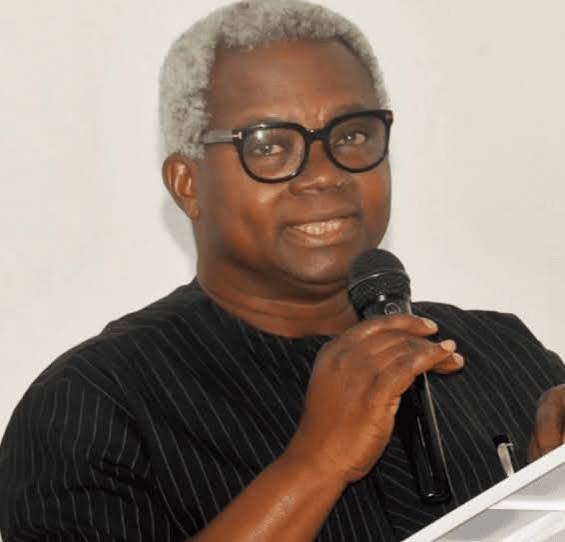
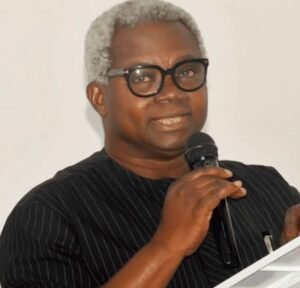
The former Director-General of Voice of Nigeria (VON), Mr Osita Okechukwu, says Nigeria’s uninterrupted democratic rule is not perfect but remains preferable to military rule.
Okechukwu, who is a foundation member of the All Progressives Congress (APC), said this on Friday in Enugu in his assessment of uninterrupted 27 years of democratic experience.
He appreciated the Almighty for the fact that in the first time since Independence in 1960, civil rule had continued uninterrupted in the country.
According to him, democracy may not have fully met our collective aspirations and expectations but experiences remain preferable to military rule.
He said, “I join millions of Nigerians in affirming that we should remain steadfast on the democratic path in order to make our dear country more prosperous and progressively better.
“Democracy is not revolutionary; it is evolutionary. Its enduring pillars include the rule of law, freedom, periodic elections, a free press, an independent judiciary, and an entrenched system of checks and balances.”
Okechukwu noted that within the 27 years democratic journey, Nigerians had experienced the good, the bad, and the ugly aspects of democratic governance.
The APC chieftain noted that achievements recorded under democratic governance included: Nigeria securing unprecedented debt relief from its external creditors.
He said that the landmark accomplishment was achieved under President Olusegun Obasanjo and his team; adding that much of the debt, which was eventually cancelled, had accumulated during years of military rule.
Okechukwu said that another significant democratic milestone was the unprecedented conduct of President Musa Yar’Adua.
“Although, he was a beneficiary of what many regarded as one of the most flawed elections in Nigeria’s history, he publicly acknowledged the shortcomings of the process.
“More importantly, he initiated far-reaching electoral reforms, culminating in the establishment of the Justice Muhammad Uwais Electoral Reform Committee.
“Many of the improvements we enjoy today in our electoral framework can be traced directly to the recommendations of the Uwais Committee.
“It is also with a sense of nostalgia that one commends President Goodluck Jonathan, who further strengthened Nigeria’s democracy by patriotically accepting electoral defeat in 2015.
“This singular act remains one of his most enduring contributions to Nigeria’s democratic development and will undoubtedly occupy a prominent place in the accounts of future historians.”
Okechukwu noted that less inspiring aspects of the democratic experience remained the pervasive challenge of corruption, which had significantly undermined the social contract between leaders and citizens.
“My considered view is that this social contract has, to a large extent, been breached. This is reflected in the reality that over 100 million Nigerians have been classified as living in multidimensional poverty.
“Nigeria has at various times earned the unenviable distinction of being described as the world’s poverty capital,” he added.