Tag: NAFDAC

  • Customs hand over seized tramadol worth N92m to NAFDAC

    Customs hand over seized tramadol worth N92m to NAFDAC


    Yola: The Nigeria Customs Service on Wednesday handed over 91 cartons of expired tramadol capsules worth N92 million to the National Agency for Food and Drug Administration and Control (NAFDAC) in Adamawa State in furherance of the robust cooperation between the two agencies.

    FLOWERBUDNEWS recall that NAFDAC Director General, Prof. Mojisola Adeyeye had, since assumption of office, intensified initiatives to strengthen and sustain collaboration with sister Agencies, especially, the Customs Service to achieve an all-encompassing approach to protecting the health of Nigerians.

    Garba Bashir, Customs Controller in charge of Adamawa/Taraba Area Command, said the tramadol capsules were seized in Mubi, Adamawa, following coordinated and intelligence driven operations.

    “God forbid, if these expired tramadol capsules were not withdrawn from circulation and are taken by innocent Nigerians, it could lead to high morbidity and mortality, human capital deterioration and unfair market competition.

    “Additionally, the proliferation of these substances ignites drug abuse among youth, giving room for increased rates of violent crimes, aggression and social unrest,” he said.

    According to him, seizing the expired and counterfeit substances is a gateway in combating organized crime, disrupting smuggling networks and preventing the circulation of dangerous substances.

    “The World Health Organization estimated that over one million people globally die each year from consuming substandard or falsified medical products, with Africa bearing the most considerable impact.

    “These expired substances were seized in accordance with section 55 of Nigeria Customs Service Act, 2023 and it shall be handed over to the NAFDAC immediately.

    “It is important to note that the destruction of this expired medicament shall be carried out jointly with NAFDAC after this official handing over in due course,”  he said.

    Garba explained that the area command had recorded 29 instances of seizures with aggregate Duty Paid Value (DPV) of N112,590 million within a period of six weeks.

    He said other seizures made include 20,600 litres of Petroleum packed in 824 Jerry cans of 25 litres capacity each, 54 cartons of foreign soaps and 64 pieces of complete donkey skin.

    He further said that the petrol would be immediately auctioned and the money would be deposited into the federation account.

    In his remarks, Gonzuk Bedima, NAFDAC Coordinator in Adamawa, appreciated the efforts of the NCS in reducing the circulation of expired and harmful substances of abuse and pledged more collaboration.

  • NAFDAC Moves to Boost Growth of Nigeria’s Herbal Medicine Sector, Partners NNMDA on Clinical Trials

    NAFDAC Moves to Boost Growth of Nigeria’s Herbal Medicine Sector, Partners NNMDA on Clinical Trials


    By Iyiola Olalere

    Abuja:  The National Agency for Food and Drug Administration and Control (NAFDAC) is collaborating with the Nigeria Natural Medicine Development Agency (NNMDA) to develop scientifically proven, safe and effective herbal medicines that meet global standards through clinical trials.


    The Director General of NAFDAC, Prof. Mojisola Adeyeye, who dropped the hint, disclosed that Nigerian herbal medicine practitioners have the capacity to formulate safe and effective indigenous natural remedies that meet international standards.


    This was disclosed on da statement by Sayo Akintola, NAFDAC’s Resident Media Consultant.


    NAFDAC has two types of approval for herbal medicines. The first type is a ‘listing’ (L) approval, and it is granted after the product has been evaluated in our laboratory for toxicology safety tests with satisfactory results. Products in this approval category are listed for a period of two years, with a NAFDAC number bearing the letter “L” at the end.


    The second approval type requires that clinical trials be conducted on the product to prove the efficacy of such a product. If this is done (in a well-designed protocol) with proven efficacy, a full approval with five-year validity is given.


    The Director General identified cost as a major obstacle preventing herbal medicine practitioners from subjecting their products to clinical trials.  ‘If you have an herbal medicine that you cannot prove scientifically the extent to which it works without causing harm to the user by providing some data on the efficacy, then it cannot be fully registered by NAFDAC.


    Prof Adeyeye disclosed that NAFDAC has listed thousands of herbal medicines, with only a few products that have gone through clinical trial outcomes, ‘But we cannot give 5-year approval without passing the efficacy test through a clinical trial.


    ‘We know that herbal medicine works. It is how to ascertain through clinical trial the level it can be used below which patients will be safe, and above which there could be damage to the liver, the kidney, and other internal organs, she explained, emphasising that the fact that it’s natural doesn’t mean that it’s all safe. ‘That’s where NAFDAC regulation and control come in.’


    The DG recalled that NAFDAC launched the Herbal Medicine Products Committee just before the COVID-19 Pandemic, which brought the practitioners, the Ministry of Health, NAFDAC and researchers together. This collaborative effort is very important because the practitioners know what their forefathers have been using, while the researchers know the science.


    According to her, the Agency is looking for funding to assist the practitioners in the conduct of clinical trials, which is highly capital-intensive. She pointed out that the Agency is working assiduously with the    NNMDA to ensure that clinical trial is conducted for the medicines that have met the regulatory requirements for listing.


    She said that NAFDAC is working together with the NNMDA to use some selected listed herbal medicines to conduct clinical trials, ‘so that we will prove beyond doubt that the medicine works well and those can now be registered fully.


    Such medicines can be placed in a national formulary for herbal medicines, even if there are few.’She stated that NAFDAC has been educating the herbal medicine practitioners who intend to register products through stakeholders’ meetings.


    The Agency even published a simple floor plan on the website as a guide for the practitioners. She averred that it does not necessarily have to be a big place to use for production. She, however, maintained that the factory must be well-ordered to allow a good workflow so that there will not be contamination.‘We are working with our practitioners.


    We are approving herbal medicines daily in NAFDAC, but we are working towards a phase where we will have a national formulary for those that have had clinical trials and have been proven to be very effective,’ she said.  The Director-General disclosed that before her appointment at NAFDAC, she was a professor in the United States.


    While at the university, she led a project that developed an anti-sickling polyherbal medicine. This medicine, which NAFDAC had listed many years before her tenure, was tested in laboratory settings by incubating it with blood samples from children with sickle cell disease to prove its anti-sickling effect. Two research papers were published, confirming both the anti-sickling and anti-infective properties of the medicine. ‘


    We conducted a clinical trial approved by the Ethics Committee of Bowen University and the Institutional Review Board of my University in the U.S on the polyherbal in July before my assumption of office in NAFDAC in November 2017’.


    She added that the trial showed that the product was efficacious but needed more data and funding for completion.‘We are determined to assist our practitioners in the area of clinical trials and together with NNMDA we shall mobilise resources to get some herbal medicines fully registered after going through due process,’ she said.


    NAFDAC – Safeguarding the Health of the Nation.Sayo AkintolaResident Media Consultant

  • NAFDAC Strengthens Staff Capacity for Effective Role in AfCFTA Implementation

    NAFDAC Strengthens Staff Capacity for Effective Role in AfCFTA Implementation


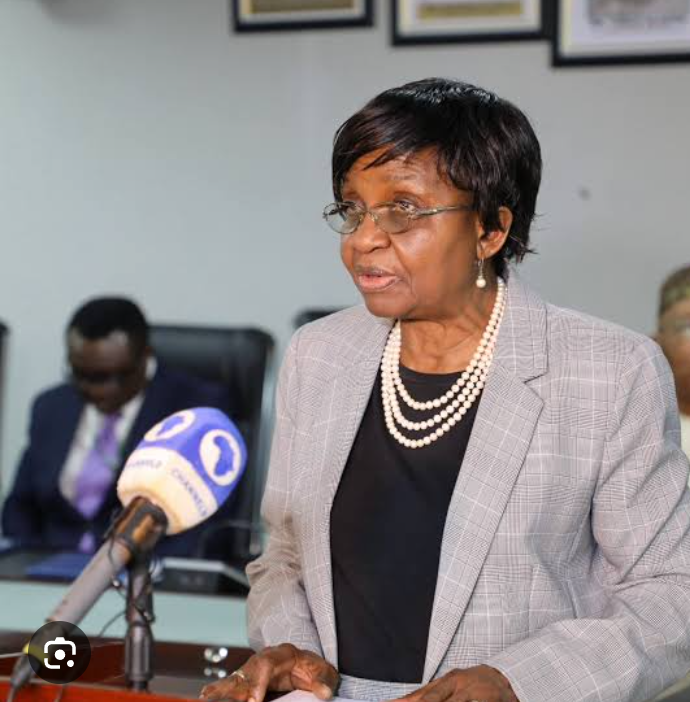
    NAFDAC DG. Prof. Mojisola Adeyeye delivering her address

    By Danladi Ahmed
    Abuja (FLOWERBUDNEWS): The Director Genetal of the National Agency for Food and Drug Administration and Control, (NAFDAC),Prof. Mojisola Adeyeye has reaffirmed the Agency’s commitment to Nigeria’s effective participation in the African Continental Free Trade Area (AfCFTA.

    Prof. Adeyeye said that NAFDAC would give maximum support to AfCFTA through strengthened regulatory capacity and inter-agency collaboration.

    She highlighted this during a one-day capacity-building training for NAFDAC staff, organised by the Nigeria AfCFTA Coordination Office @AfCFTANG, themed “The Role of NAFDAC in AfCFTA Implementation,” a NAFDAC report disclosed on Friday.

    The Director-General  described the AfCFTA as a defining milestone for the continent, noting that it presented both opportunities and responsibilities for NAFDAC as a key player in safeguarding public health.

    She emphasised that as the volume of regulated products crossing African borders increases, vigilance at ports and enhanced intelligence-driven inspections will be critical to preventing the influx of substandard and falsified products.

    Prof. Adeyeye also underscored NAFDAC’s strategic role as an enabler of the Nigerian industry, stressing the need for efficient export certification and streamlined regulatory processes that support manufacturers to compete effectively in the continental market without compromising safety and quality standards.

    She further highlighted the importance of inter-regulatory collaboration among agencies within Nigeria and across Africa to harmonise standards, strengthen mutual recognition arrangements, and share intelligence on unsafe products.

    Prof. Adeyeye encouraged NAFDAC staff to embrace continuous learning and deepen their understanding of AfCFTA’s implications for regulatory science, urging them to remain proactive as “regulatory ambassadors” for Nigeria and the continent.

    She reaffirmed that with NAFDAC’s WHO Global Benchmarking Tool Maturity Level 3 (GBT ML3) status, the Agency continues to serve as a model for regulatory excellence across Africa. (FLOWERBUDNEWS)

  • NAFDAC seals 2 Chinese supermarkets in Abuja

    NAFDAC seals 2 Chinese supermarkets in Abuja


    (NAFDAC Director General, Prof. Mojisola Adeyeye)


    Flowerbud News/ National Agency for Food and Drug Administration and Control (NAFDAC) on Thursday in Abuja sealed two Chinese supermarkets in the Federal Capital Territory (FCT).

    The supermarkets, which are located at No. 40 Mike Akhigbe way, Jabi and No. 61, Ebitu Ukiwe Street, also in Jabi, were sealed for selling goods that were allegedly not approved in the country.

    The agency also put on hold eight other shops at the Wuse market for selling aphrodisiac sex enhancement pills.

    They were also found to be selling body enlargement creams and drugs for breast and buttock, including other toxic substances produced with dangerous chemicals.

    Mr Embugushiki-Musa Godiya, Head of NAFDAC Investigation and Enforcement unit, Abuja, said during the enforcement operation that the exercise was in respond to consumer complaints.

    He said the market value of the products seized during the raids is about N170 million.

    He said that the sellers of the products had declared themselves doctors and pharmacists prescribing  drugs for unsuspecting Nigerians.

    “They also have some of these product they popularly call kayanmata oil. These people formed a market in banking premises.

    “The agency got the complaint and we cannot be here and allow such a thing to happen.

    “We responded to that consumer complaint; we visited the place and we raided quite a number of shops carrying all manner of unapproved products by NAFDAC,” he said.

    On the closure of Chinese supermarkets, Godiya said that the agency also acted on intelligence it gathered from concerned citizen that there are some supermarkets belonging to some foreign nationals.

    He said that these foreign national were said to have brought into Nigeria, certain items, most of which were food items, and were labelled in Chinese languages without any English translation.

    Godiya said the action was in violation of NAFDAC labelling regulation adding that those supermarkets operated without approval from NAFDAC..

    “We have seized all the offending items we found in the supermarkets.

    “In one of the places that we could not evacuate all the items we found we placed the whole warehouse on hold; we have invited the owner for further investigation,” he said.

    “We cannot guarantee the safety and the quality of these products, NAFDAC has not evaluated, assessed or analysed them,” he said.

    Godiya urged Nigerians to be vigilant about what they buy and consume.

    NAN

  • NAFDAC urges public to report adverse drug reactions

    NAFDAC urges public to report adverse drug reactions


    Minna (Flowerbud News):   The National Agency for Food and Drug Administration and Control (NAFDAC) has urged members of the public to report adverse reactions of drugs on their health using the Med Safety App.

    Mr Kenneth Azikwe, Director of NAFDAC, North Central Zone, made the call during an engaged with stakeholders in Minna on Monday.

    He said by reporting adverse reactions, stakeholders would be helping NAFDAC to identify and remove harmful products from the market, thereby protecting public health.

    “Don’t keep quiet when you take a drug and you get a negative reaction to your body; report such products using your phone through the app.

    “Once you complain, we have officers watching the app and an investigation will be launched immediately to withdraw the drug if it is not good,” he said.

    Azikwe said the agency had always emphasised on pharmacovigilance to ensure safety of consumers and promote responsible use of pharmaceutical products.

    He noted that the agency believed in feedbacks hence stakeholders’s engagement to enhance regulatory activities and improve services rendered to the public.

    He called on the stakeholders to embrace the NAFDAC Automated Product and Monitoring System (NAPMS), which enabled products registration online without physical presence

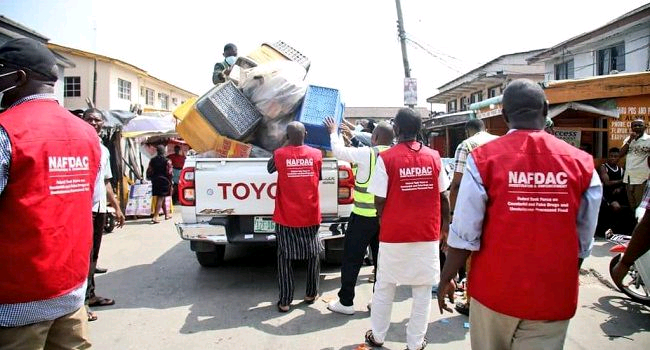
    (NAFDAC Operatives in action)

    According to him, NAFDAC as a regulatory authority, has grown with the signs of time, urging companies to use NAPMAS to register their products as it is easier and cheaper.

    The director also encouraged stakeholders to participate in the Micro Small Medium Enterprises Registration Scheme, which allowed the registration of low-risk food products using minimal facilities to guarantee the safety of the products.

    He appealed to stakeholders to embrace the Green Book, a database of registered products.

    He encouraged stakeholders to download the app into their phone, which could be used to search the name of a drug to know if such a drug was registered or not.

    He appealed stakeholders to come forward as a group or association, particularly in the agrochemical and chemical sectors, to obtain the necessary licences and certifications to enable the agency control what people were doing with chemicals.

    Mr James Kigbu, state Coordinator of NAFDAC in Niger, said the stakeholders’ engagement was crucial for fostering open dialogue and collaboration to ensure regulatory compliance, safety and responsible business practices.

    “Your feedback today will help us in decision-making, improve processes and help us to manage your expectations,” he said.

    The News Agency of Nigeria (NAN) reports that stakeholders at the engagement include the Agro Chemical Association, Industrial Pharmacy of Nigeria and Supermarket Owners Association.

    Others are the Nigeria Association of Small and Medium Enterprise, Islamic Medicine and Prophetic Medicine Association, and National Association of Environmental Health Officers of Nigeria.


  • Breaking:  NAFDAC Makes Another Big Hit;  Seizes ₦1.2 Billion Worth of Fake Malaria Drugs in Lagos Raid

    Breaking: NAFDAC Makes Another Big Hit;  Seizes ₦1.2 Billion Worth of Fake Malaria Drugs in Lagos Raid


    (NAFDAC Director General,  Prof. Mojisola Adeyeye, tough against counterfeiters and fake medicine peddlers across the country)


    By Biola Lawal
    Lagos (FLOWERBUDNEWS): NAFDAC’s continuous battle against fake drug peddlers has recorded another major success as the Agency intercepts 277 cartons of counterfeit and unregistered Malamal Forte malaria drugs, valued at over ₦1.2 billion in Lagos.

    NAFDAC Director General, Prof. Mojisola Adeyeye disclosed that the successful enforcement operation, was undertaken following credible intelligence gathering by the Agency’s operatives which led to the heavy haul in a warehouse located in the Ilasa-Oshodi area of Lagos State.

    (NAFDAC Operatives in action during the successful enforcement operation)


    Prof. Adeyeye disclosed further that the fake drugs, which were concealed in cartons labelled as Diclofenac Potassium 50mg, were illegally imported from Shanxi Tianyuan Pharmaceuticals Group in China.

    ” They were falsely declared as spare parts in the shipping container,” the NAFDAC Boss disclosed.

    Prof. Adeyeye reaffirmed the Agency’s commitment, with the full support of the Presidency and Federal Ministry of Health, to eliminating counterfeit and substandard medicines from Nigeria.

    ‘:This seizure is part of NAFDAC’s sustained nationwide operation to protect public health and ensure only safe, quality medicines are available to Nigerians,” She stated (FLOWERBUDNEWS)

  • NAFDAC Arrests Unlicensed Chemical Producer, Seals Illegal Water and Rice Factories in Abuja

    NAFDAC Arrests Unlicensed Chemical Producer, Seals Illegal Water and Rice Factories in Abuja

    (NAFDAC DG, Prof. Mojisola Adeyeye)


    (NAFDAC Enforcement Operatives Sealing the illegal chemical factory)

    By Biola Lawal
    Abuja (FLOWERBUDNEWS) An unlicensed chemical producer, Ikechukwu Elijah, has been arrested by NAFDAC in the Apo-Waru area of Abuja for manufacturing and distributing hazardous, counterfeit, and unregistered chemicals.

    The suspect, who operated an illegal factory in a residential building, was apprehended along with his younger brother, after NAFDAC operatives uncovered counterfeit insecticides, sealing machines, and other equipment at the premises.

    During the dame enforcement operation, NAFDAC sealed MZEE Table Water, an illegal packaged water factory in the Damangaza district, for operating under unhygienic conditions with a fake and expired license.

    ‘: The facility lacked basic requirements such as a certified borehole and water treatment system,” a NAFDAC statement on X declared.

    The NAFDAC enforcement team also shut down a counterfeit rice operation at a shopping plaza opposite the World Trade Centre, Abuja, where re-bagged popular brands, packaging materials, and sealing machines worth over ₦60 million were seized.

    Commenting on the successful operations, the Director-General of NAFDAC, Prof. Mojisola Adeyeye, reaffirmed the Agency’s commitment to protecting public health by ensuring that Nigerians consume only safe food and medicines.

    Prof. Adeyeye urged the public to avoid unregulated products and report suspicious activities, adding that all suspects will face prosecution.(FLOWERBUDNEWS)

  • NAFDAC Shuts Illegal Herbal Drug Facility in Kaduna, Seizes Products Worth ₦5 Million.

    NAFDAC Shuts Illegal Herbal Drug Facility in Kaduna, Seizes Products Worth ₦5 Million.

    (NAFDAC DG, Prof. Moji Adeyeye dealing blows upon blows on counterfeiters and illegal medicine producers across the country, yet, looking cool, refreshed and calm)


    By Biola Lawal
    Flowerbudnews: An illegal herbal medicine facility in Mararaba Jos, Igabi Local Government Area of Kaduna State has been shut down by the National Agency for Food and Drig Administration and control (NAFDAC)

    The Agency disclosed on its X handle, that the successful enforcement operation was undertaken following credible intelligence.

    During the operation, NAFDAC officers discovered unhygienic and substandard production equipment, confirming that the products manufactured in the clandestine facility posed serious risks to public health.

    The Agency said that the safety, quality, and efficacy of the herbal products from the illegal manufacturing facility could not be guaranteed.

    ‘:Products under the brand name NURUL SHIFA, valued at ₦5 million, were seized for destruction, while the facility has been sealed pending further investigations,” NAFDAC stated.

    NAFDAC Director General, Prof. Mojisola Adeyeye. reassured the public of the Agency’s commitment to safeguarding the health of Nigerians and bringing violators to justice. (FLOWERBUDNEWS)

  • NAFDAC DG Warns Nigerians Against Consumption of a Counterfeit Milk in Circulation

    NAFDAC DG Warns Nigerians Against Consumption of a Counterfeit Milk in Circulation


    (NAFDAC DG, Prof. Mojisola Adeyeye was  recently commended by President Bola Ahmed Tinubu for making Nigeria proud by sustaining the Nation’s high World Health Organisation (WHO) Maturity Level (ML3) rating)


    By Biola Lawal
    Abuja (FLOWERBUDNEWS): The Director General of the National Agency for Food and Drugs Administration and Control (NAFDAC), Prof. Mojisola Adeyeye has warned Nigerians against consumption of a counterfeited milk with the name ”OUR MILK” .

    Prof. Adeyeye, who gave the warning in a public alert, said  that the use of the counterfeit Milk could result in serious, ir even fatal health problems and risks  in consumers.

    ”Such products may contain harmful substances, including toxic chemicals, unapproved additives, or diluted ingredients that do not meet food safety standards.,” the NAFDAC DG warned.

    ”Consumption of counterfeit milk can result in foodborne illnesses, allergic reactions, organ damage, or even death in severe cases. Infants, children, pregnant women, and the elderly are particularly vulnerable,” Prof Adeyeye further stressed.

    The counterfeiters who  produced the fake ”Our Milk”, also illegally used faked Cowbell insignia to brand their fake product.

    The NAFDAC Boss disclosed that the presence of the counterfeit Cowbell “Our Milk” 12g sachet in Nigeria was brought to the notice of the Agency by Promasidor Nigeria Ltd.

    Promasidor Nigeria Ltd, is the Marketing Authorization Holder (MAH) and manufacturer of Cowbell “Our Milk”  informed NAFDAC about the existence of the fake product bearing a close resemblance to the genuine Cowbell “Our Milk” 12g sachet Milk.

    Prof. Adeyeye disclosed that the criminal conduct of the counterfeiters included  unauthorized use of the brand name, packaging design, NAFDAC registration number, and trademark.

    ‘:The MAH has confirmed that these products are neither manufactured or distributed by them as the counterfeit packaging design was last used for production by the company in September 2023,” the NAFDAC Boss stated.

    The differences between the original cowbell milk and the faked products are:

    Differences between the genuine and counterfeit Cowbell “Our Milk” 12g sachet milk:

    Genuine Cowbell 12g sachet milk

    Counterfeit Cowbell 12g sachet milk

    The differences between the original cowbell milk and the faked products are:

    Content in the original sachet is creamy milk, while the Content in the faked sachet does not seem like milk.

    The packaging material used for the genuine milk is the revised PNG artwork “Our Creamy Goodness”, while the packaging material used for the counterfeit is the old PNG artwork “Our Milk”

    The printing of the batch details is done with laser printing in the oroginal milk, while the printing of the batch details was done with ink instead of laser printing on the counterfeited product.

    Similarly, the coding on the original product is done on the coding area on the sachet, while that of the coding of the faked milk was not done on the coding area but on a different part of the sachet.

    The sealing and cutting on the vertical sides are automated on the original product, while in the faked product, the  sealing and cutting on the vertical sides were manually done

    Genuine Cowbell 12g sachet milk

    Counterfeit Cowbell 12g sachet milk

    Product Details:
    The details of the counterfeit product are as follows: Product Name: Cowbell Our Milk 12g;
    Purported Product Manufacturer: Promasidor Nigeria Ltd; Production Date: 04 2025; Expiry Date: 12 2028

    Prof. Adeyeye directed all NAFDAC zonal directors and state coordinators to conduct surveillance and mop up the counterfeit Cowbell 12g sachet Milk products within their zones and states.

    She also urged distributors, retailers, and consumers to exercise caution and vigilance within the supply chain to prevent the distribution, sale, and use of the counterfeit milk product.

    Prof Adeyeye counselled Nigerians, saying; ‘:all food products must be obtained from authorized/licensed manufacturers/suppliers. The products’ authenticity and physical condition should be carefully checked.’:

    j

    She also enjoined Healthcare professionals and consumers to report any suspicion of sale of substandard and counterfeit food products to the nearest NAFDAC office, NAFDAC on 0800-162-3322 or via email: sf.alert@nafdac.gov.ng

    ‘:Similarly, healthcare professionals and patients are also encouraged to report adverse events or side effects related to the use of counterfeited food products to the nearest NAFDAC office, or through the use of the E-reporting platforms available on the NAFDAC website www.nafdac.gov.ng  or via e-mail on pharmacovigilance@nafdac.gov.ng,” the NAFDAC Boss stated ( FLOWERBUDNEWS)