Author: Bushrah Yusuf-Badmus

  • Ashiru advocates ministry of religious affairs to promote harmony

    Ashiru advocates ministry of religious affairs to promote harmony

    Ashiru advocates ministry of religious affairs to promote harmony


    By Afusat Agunbiade-Oladipo


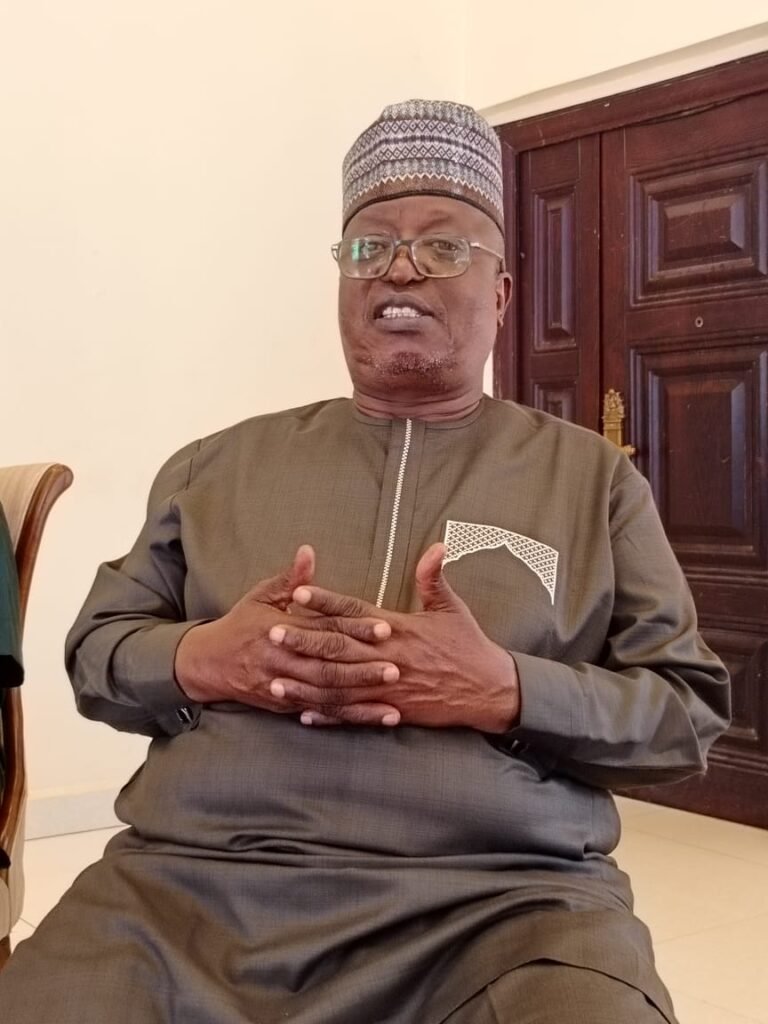
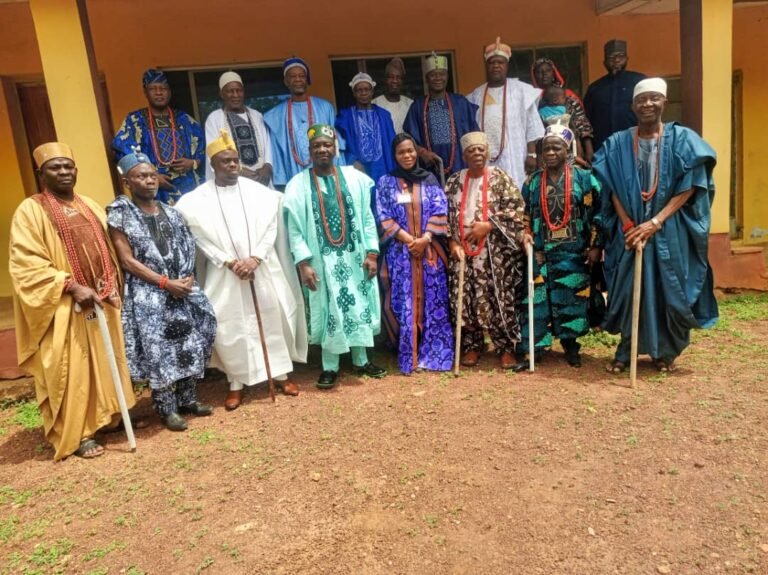
    The Senator representing Kwara South Senatorial District, Arch. Lola Ashiru, has called for the establishment of a Ministry of Religious Affairs at the state level to promote harmony, peace and ethical values among Nigerians.

    Ashiru made the call on Saturday during a courtesy visit by the Kwara Chapter of the Executive Members of the Correspondence Chapel of Nigeria Union of Journalists (NUJ), in Offa where he reflected on the role of religion in society and the need for government involvement in guiding religious practice.

    According to him, the fundamental purpose of religion is to foster peace, love, equity and harmony among people, noting that religion is meant to serve humanity and not the other way round.

    “Religion is supposed to bring harmony among people. The essence of worship is not because God needs our praise, but because religion is meant to shape our values, our conduct and our relationship with one another,” he said.

    The Senator expressed concern over what he described as the monetisation and commercialisation of religion, which he said had begun to undermine its positive impact on society.

    He observed that religious activities and doctrines dominate daily life in Nigeria, with churches and mosques attracting large followings, especially on Fridays and Sundays, stressing that such influence makes it important for government to pay closer attention to religious practice.

    Ashiru said government support for religious organisations should go beyond physical assistance to include intellectual guidance and policy direction to ensure that religious teachings promote peace and development.

    “It is important for government to give direction to religious teachings so that religion can truly play its role in developing the people and promoting harmony,” he said.

    He argued that a Ministry of Religious Affairs would be more impactful than some existing institutions, including ministries overseeing chieftaincy affairs, given the central role religion plays in the lives of citizens.

    According to him, such a ministry would help regulate religious activities, encourage interfaith harmony and reduce negative practices associated with religious extremism and exploitation.

    Ashiru added that deliberate government engagement with religious leaders and institutions would contribute significantly to social stability and peaceful coexistence in the country.

  • Over 50 Kaiama attack survivors receiving treatment in Ilorin — Sen. Umar

    Over 50 Kaiama attack survivors receiving treatment in Ilorin — Sen. Umar

    Over 50 Kaiama attack survivors receiving treatment in Ilorin — Sen. Umar


    By Afusat Agunbiade-Oladipo


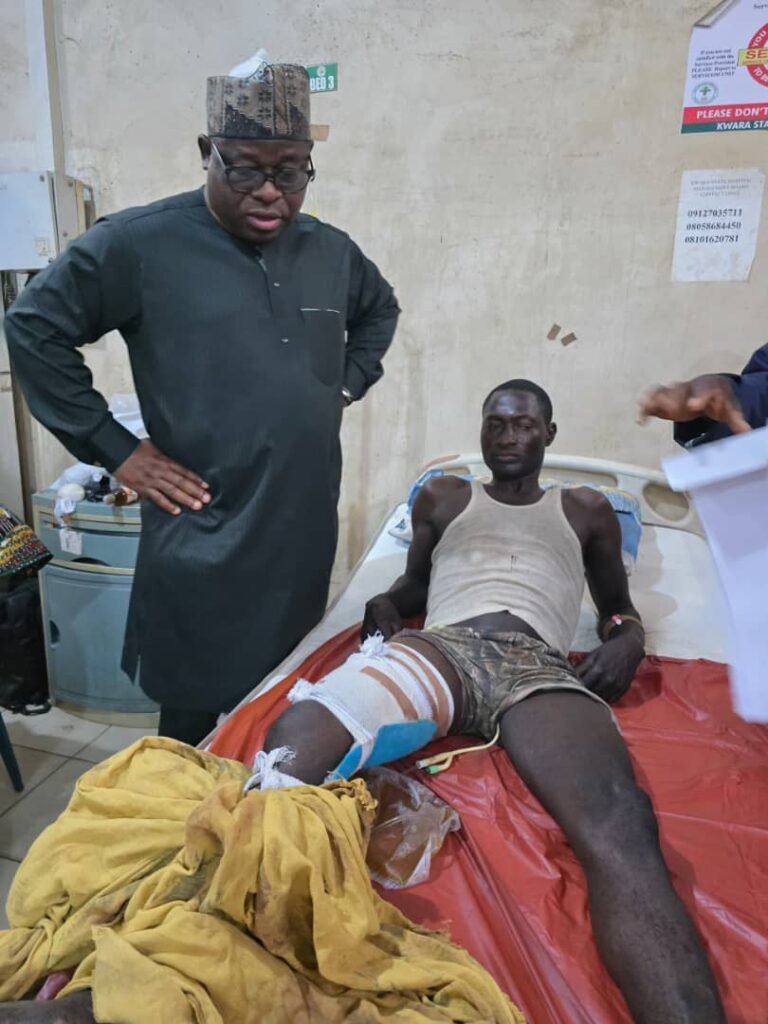
    Ilorin, Feb. 6, 2026 (NAN)No fewer than 50 survivors of the recent bandit attack on Woro community in Kaiama Local Government Area of Kwara are currently receiving treatment in various hospitals in Ilorin.


    The victims reportedly sustained varying degrees of injuries, including gunshot wounds, during the attack.


    The Senator representing Kwara North Senatorial District, Sen. Sadiq Umar, on Friday visited the injured persons to sympathise with them and their families.


    Umar described the incident as heartbreaking and prayed for the speedy recovery of the victims, assuring them of his continued support throughout their period of recuperation.


    He commended President Bola Tinubu for the deployment of additional security personnel under Operation Savannah Shield to restore peace and ensure the arrest of the perpetrators.


    The lawmaker also praised Gov. AbdulRahman AbdulRazaq of Kwara for what he described as swift intervention, particularly the directive to the State Emergency Management Agency to provide relief materials to the affected communities.


    Umar called for sustained security operations across Kwara North, noting that the senatorial district had continued to experience security challenges.


    He urged residents to remain united, hopeful and prayerful, while reaffirming his commitment to the safety and wellbeing of his constituents and praying for lasting peace in the area.

  • Untitled post 82792

    Kwara swears in 2,550 corps members for 2026 Batch A Stream 1 orientation exercise

    By Bushrah Yusuf-Badmus

    Kwara Deputy Governor, Kayode Alabi


    The Kwara State Government has sworn in 2550 corps members for the 2026 Batch A Stream 1 Orientation Course of the National Youth Service Corps.


    Chief Judge of the state, Justice Abiodun Adebara administered the oath of allegiance to the corps members at the swearing-in ceremony at the NYSC Temporary Orientation Camp inside the Kwara State Polytechnic on Friday in Ilorin.


    Kwara Governor, Abdulrahman Abdulrazaq said the security of lives and properties of all citizens in Kwara remained the top priority of his government.


    The governor represented by his deputy, Mr Kayode Alabi said his administration will continue to rely more expediently on its security apparatus to ensure the safety of all corps members in the State.


    ”While we will continue to do this, you must note that the security of lives and properties does not lie on the government only, you must also do all in your capacity to stay safe.


    ”Do not engage in night travels and follow the guidelines of the NYSC concerning travels so that everyone involved in your development including yourself and your parents can be safe,” he said.


    The governor urged the corps members to strive to make their service year a unique one, by investing in themselves and by also creating positive impacts in this state.


    He said the government will continue to provide the enabling environment for them to discharge their duties and serve the nation diligently.


    The Commissioner for Youths Development, Mr Shehu Ndanusa urged the corps members to explore the state for it’s boundless opportunities for young people to maximize their talents, skills, and innovative ideas.


    ”I want to enjoin you to tap into these opportunities and carve an enviable life for yourself.


    ”While in camp, you will be exposed to the skill acquisition and entrepreneurship programme, I want to encourage you to embrace this programme in order to live a financially independent life after service.


    ”The Skill Acquisition programme of the NYSC is a hub of preparation, as learning a skill in this present time, with a veritable digital presence is a precursor for wealth.


    ”But while you are acquiring skills, and taking opportunities, your primary responsibilities is to the nation and by extension, the state.


    “Strive to render selfless service in your places of primary assignment and contribute meaningfully to the socio-economic development of your host communities and distinguish your yourself in service,” he said.


    NYSC State Coordinator, Mr Joshua Onifade while explaining the composition of the corps members said they were from both Kwara and Lagos orientation camps.


    ”Kwara has 532 males and 559 females, making 1082, while Lagos has 340 males and 1128 females, making 1468.


    ”Our youths are exposed to this layer of patriotism so they can be acquainted with the oath of our heroes past who through the challenges laid before them, ensured the greatness of Nigeria.


    ”The orientation course has recently seen some changes to reflect present realities, in order to inculcate a sense of patriotism in all course participants, by teaching them to uphold the national values and moral uprightness,” he said.

  • FG develops unified housing delivery framework for coherence with institutions, states

    FG develops unified housing delivery framework for coherence with institutions, states

    FG develops unified housing delivery framework for coherence with institutions, states

    By Bushrah Yusuf-Badmus


    Minister of Housing and Urban Development, Ahmed Dangiwa


    The Federal Government said it has developed a unified Housing Delivery Framework to ensure ‘One Coherent National Housing Delivery System’ in the country.


    The Minister of Housing and Urban Development, Alhaji Ahmed Dangiwa, made the disclosure on Thursday at the 14th National Council on Lands, Housing and Urban Development in Ilorin.


    The council has its theme as ‘Achieving Housing Delivery and Sustainable Cities through Effective Land Management, Urban Renewal, Promotion of Local Building Materials, and Public–Private Partnerships in Nigeria’.


    Dangiwa said the objective of this framework was to ensure that the ministry and all Federal Housing Institutions operate as ‘One Government’, with complementary and clearly defined roles.


    He said this would be done while providing the state and local governments with a predictable and credible framework for collaboration on housing delivery.


    ”This is particularly important at a time when many states are experiencing improved fiscal capacity and requiring structured ways to work with the Federal Government to deliver housing at scale.


    ”Under this framework, State Governments are to participate as active counterparts across four flagship federal programmes.


    “They are: The Renewed Hope Housing Programme, State-Led Social Housing Programme, State Urban Renewal and Inner-City Regeneration Programme and State Housing Public Private Partnership and Investment Platform.


    ”This Unified Framework represents a deliberate shift from fragmented interventions to coordinated national delivery,” Dangiwa said.


    He added that the Federal Government provides leadership, institutions, and finance while the states provide land and subsidies, execution, local leadership and counterpart or additional budgetary funding or interventions to complement federal efforts.


    Dangiwa, however, urged all the states to treat land reform not as a routine administrative matter, but as a deliberate economic growth strategy, that would increase IGR, empower the citizens and grow GDP.


    He said no country can solve its housing challenge without fixing its land system as secure land titles reduce risk, unlock capital, and empower citizens.


    In his remarks, Gov. Abdulrahman Abdulrazaq, said the theme of the council was interesting in the light of the contemporary challenges of population surge, affordable as well as decent housing, urbanisation, and sustainable and orderly living.


    The Governor, represented by his Deputy, Kayode Alabi, said over the past six years, his administration had executed bold measures to promote a more transparent as well as efficient land administration and management in the State.


    ”The Kwara State Geographic Information Service, (KWAGIS) had been restructured and strengthened for a more seamless land administration.


    ”The State is also actively pursuing a grand urban renewal agenda that prioritises enforcement of physical development regulations for orderly growth and sustainable living,” he said.


    The Chairman, House of Representatives Committee on Urban Development and Regional Planning, Hon. Abiante Awaji, pledged the house’s legislative support and oversight framework that promotes efficient land administration, sustainable urban renewal, and inclusive housing delivery across Nigeria.


    Awaji said the house was ready to work closely with the ministry and all other relevant stakeholders to translate the outcomes of this council into actionable legislation, oversight, and measurable impact.


    He said urban renewal consultations was not just about the physical revitalisation of the cities, but about restoring hope and enhancing the quality of life for the citizens.


    ”It provides an opportunity to reclaim neglected spaces and transform them into thriving communities that reflect our cultural heritage and aspirations,” Awaji said.


    The council meeting which started on Monday and climaxed on Thursday brought together key stakeholders, policymakers, professionals, and experts within the built environment.

  • BACSAAN, (Artisan Body) advocates training on latest technologies for professionalism

    BACSAAN, (Artisan Body) advocates training on latest technologies for professionalism


    (The Builders, Construction and Skilled Artisans of Nigeria (BACSAAN) National President, Mr Mohammed Jamiu Fasasi)


    By

    Ilorin; The Builders, Construction and Skilled Artisans of Nigeria (BACSAAN) has called on the Federal Government to organise trainings on the latest technology for its members to enhance their professionalism.

    BACSAAN National President, Mr Mohammed Jamiu Fasasi made the call on Wednesday on the sidelines of the ongoing 14th National Council on Lands, Housing and Urban Development in Ilorin.

    (BACSAAN Leaders with the Kwara State Commissioner for Housing and Urban Development, Dr. Segun Ogunsola (left)


    Fasasi while commending President Bola Tinubu’s administration for including its members in developmental programmes and policies, said the artisans needed to be kept abreast with the use of latest technologies.

    He said the trainings normally organized for some of their members was just a little improvement from what they used to know which is not in conformity with the latest trends.

    ”The Agencies gets us involved in their programmes and they train our members from time to time, but what they teach them is not totally different from what we have known for years.

    ”We are aware that there are technologies that can enhance our performances, but we do not have access to them, that is why we want the government to come to our aid.

    ”If the federal government can support us to send some artisans to other countries for a week or two-weeks training, it will go a long way for us,” he said.

    The BACSAAN president said Nigerian artisans were better than their Togolose or Malian counterparts that most people believed in, they just need to be brushed up a little.

    He said with an upgrade in their skills, individuals and organizations would not have to rely on foreign artisans for their jobs, as they would have been equipped.

    The 14th National Council is with the theme ”Achieving Housing Delivery and Sustainable Cities Through Effective Land Management, Urban Renewal, Promotion of Local Building Materials, and Public-Private Partnership in Nigeria”.

    The National Council Meeting is a forum that provides a strategic platform for aligning federal and state policies and accelerating reforms in the housing and urban development sector.

    “The meeting remains a critical avenue for strengthening intergovernmental collaboration, reviewing sectoral policies, and evolving practical solutions that will fast-track the delivery of affordable housing and sustainable urban development across the country.

    Participants at the meeting include; States’ Commissioners, Permanent Secretaries, Directors in charge of Lands, Housing and Urban Development, Chief Executives of Housing Corporations, Surveyor-Generals, professional bodies, and other key stakeholders, including BACSAAN, the artisan body in the built environment sector.

  • How stigma isolates children with Cerebral Palsy in Kwara

    How stigma isolates children with Cerebral Palsy in Kwara

    How stigma isolates children with Cerebral Palsy in Kwara

    By Bushrah Yusuf-Badmus


    Saturday, Feb. 9, was meant to be an ordinary haircut day for Mrs Oluwabusayo Olaoye and her two sons.


    However, barely two minutes into her younger son Michael’s haircut, the atmosphere in the small neighbourhood salon shifted.


    The barber paused, and politely refused to continue; not because Michael misbehaved, but because he has cerebral palsy.


    Within minutes, two other customers left, unwilling to remain in the same space with a child living with the condition.


    What should have been a quick weekend routine instead became a painful reminder of the stigma families of children with cerebral palsy face daily.


    “The older brother has often complained about people giving different attitudes whenever I ask him to bring Michael for a haircut,” Olaoye explained.


    “That’s why I decided to go with them myself this time. But the embarrassment was still overwhelming”.


    Although the barber tried to be polite, suggesting they return in the evening when fewer customers were around, the experience left the family humiliated and aware of how society treats children with cerebral palsy.


    “I can’t really blame the barber because it is his business, but it is unfortunate that children with cerebral palsy are treated like aliens, when they are supposed to be shown love,” she added.


    Cerebral Palsy (CP) is a group of disorders affecting movement, posture, and balance due to non-progressive damage to the developing brain, usually before, during, or shortly after birth.


    Globally, it affects approximately 1.2 per cent of children under five, with higher prevalence in low- and middle-income countries compared to high-income nations.


    In Nigeria, official data is scarce, but CP is believed to be among the most common neurological disorders.


    In 2017, researchers at the University of Lagos reported that around 700,000 Nigerians were living with the condition.


    A major cause of cerebral palsy in the country is untreated neonatal jaundice; a build-up of bilirubin in the blood, which gives a yellow tinge to a newborn’s skin.


    Most cases resolve within days with treatment, which involves exposing the baby to ultraviolet light to dissolve excess bilirubin.


    However, in Nigeria, this treatment is often unavailable or delayed, placing the country among the five nations with the highest incidence of neurological disorders caused by untreated jaundice, according to the World Health Organisation (WHO).


    Health experts insist that timely intervention is crucial, noting that treatment for neonatal jaundice must occur within the first ten days of life.


    They warn that any delay can result in permanent brain damage and severe cerebral palsy.


    Yet, beyond the medical challenges lies the persistent struggle of social stigma.


    Even when parents or caregivers follow professional advice to involve children in recreational and social activities for self-development, societal prejudice often hinders participation.

    Dr Aishat Abdulraheem, a physiotherapist at Lifeguard Hospital, advised parents to seek professional assessment and early intervention rather than isolating their children.


    “Isolation decreases self-esteem, increases social anxiety, and can cause more harm than good.


    “Early intervention enhances cognitive development, social skills, and emotional well-being, while regular assessments and social integration significantly improve motor skills, balance, and coordination,” she said.


    Similarly, Mr Alfred Abegunde, former Director of the Physiotherapy Unit at University of Ilorin Teaching Hospital, emphasised the need for inclusive healthcare and rehabilitation.


    He noted that caregivers focusing on abilities rather than disabilities can help children navigate schools and social environments more effectively.


    Sharing their experiences, Olaoye urged parents to showcase their children with pride.


    “Though the stigmatisation when walking on the road or attending events is overwhelming; as if it is a contagious disease, I urge parents to see their CP children as personal blessings.


    “Society should accept us for who we are. Many parents hide their children due to stigma, which hinders development. We must not let this define us,” she said.


    Hajia Fatimah Salau, another parent, explained how stigma affects her daughter’s physical and mental health.


    “Keeping her indoors due to the awkward stares leads to excessive weight gain, increased agitation, and less social interaction,” she said.


    Some parents argue that specialised schools could help reduce stigma in Kwara State.


    The State School of Special Needs, they say, cannot fully cater to children who are still dependent on caregivers.


    Mrs Shukurat Afolabi called on the government to establish a school specifically for cerebral palsy children or, at the very least, provide trained ‘shadow teachers’ to support their inclusion in mainstream schools.


    “Most private schools do not admit CP children because regular teachers cannot attend to their needs. Shadow teachers could provide necessary support and greatly improve their learning experience,” she explained.

    Mr Ifeoluwa Anishe, a CP advocate and founder of Ifeoluwa Cerebral Palsy Initiative, highlighted his own experience of stigma but stressed resilience and achievement.


    A master’s degree holder in Counselling Education from the University of Ilorin, Anishe called for specialised schools and employment opportunities for individuals with CP, emphasising that inclusion and support can unlock their potential.


    In spite of persistent stares, whispers and social exclusion, families of children with cerebral palsy continue to show resilience and determination.


    Their lived experiences reinforce a shared position among parents, health experts and advocates: the greatest challenge facing children with cerebral palsy is not the condition itself, but society’s failure to understand and accommodate it.


    To address this, stakeholders say urgent and coordinated action is required.


    State governments, especially in Kwara, are urged to strengthen inclusive education policies by deploying trained shadow teachers in public schools.


    They are also encouraged to expand access to physiotherapy and rehabilitation services, and to review existing special needs institutions to better cater for children who require ongoing support.


    Health authorities are also advised to intensify public education on neonatal care, especially the importance of early detection and timely treatment of neonatal jaundice, which experts identify as a major preventable cause of cerebral palsy in Nigeria. (NAN)

  • FG intensifies plans to establish local building materials manufacturing hub

    FG intensifies plans to establish local building materials manufacturing hub

    FG intensifies plans to establish local building materials manufacturing hub


    Permanent Secretary, Federal Ministry of Housing and Urban Development, Dr Shuaib Belgore


    The Federal Government says it will intensify efforts to deepen industrial capacity through the establishment of local building materials manufacturing hubs.


    The Permanent Secretary, Federal Ministry of Housing and Urban Development, Dr Shuaib Belgore, made the remark on Wednesday at the ongoing 14th National Council on Lands, Housing and Urban Development in Ilorin.


    The meeting is themed, “Achieving Housing Delivery and Sustainable Cities through Effective Land Management, Urban Renewal, Promotion of Local Building Materials, and Public–Private Partnerships in Nigeria.’’


    Belgore noted that Nigeria’s rapid population growth and accelerated urbanisation had resulted in a significant housing deficit, which was further compounded by challenges.


    He listed the challenges to include limited access to land, inadequate mortgage financing, high costs of building materials, insufficient infrastructure, weak land documentation systems, and shortages of skilled artisans and craftsmen.


    He, however, explained that the establishment of the manufacturing hub was aimed at reducing construction costs, shortening delivery timelines, and creating employment opportunities.


    Belgore said effective land management, urban renewal, promotion of local building materials, and Public–Private Partnership had proven to be critical catalysts for sustainable housing delivery.


    He added that land, which remained the principal resource in the sector, only became a true asset when it was properly titled, registered, digitised, and verified.


    “Urban renewal, through the regeneration and modernisation of ageing urban centres, improves liveability, optimises land use, and promotes sustainable human settlements.


    “In addition, the growing demands on public resources have made Public–Private Partnerships indispensable in complementing government efforts to scale up housing and infrastructure delivery,” he said.


    Belgore said that the importance of housing could not be overemphasised, as it had been a vital sector of the economy, transcending the provision of shelter.


    He added that housing remained a critical driver of a productive and stable society, explaining that sound physical planning, efficient land allocation, utilisation, policy formulation, and implementation were fundamental to sustainable housing development.


    The Permanent Secretary said that real estate and construction sectors contributed significantly to economic growth through employment generation, investment mobilisation, savings, and improved labour productivity.


    ”Moreover, the availability of decent housing directly influences public health, social well-being, and environmental sustainability,” he said.


    Belgore added that the Ministry was also working towards coordinating and harmonising policies, procedures, and institutional frameworks through sustained collaboration with public and private sector stakeholders.


    In his speech, Dr Segun Ogunshola, the Kwara Commissioner for Housing and Urban Development, noted that challenges affecting housing provision persisted, but that the state government had been implementing measures to address land and housing shortages.


    Ogunshola said the 20,000-unit Kwara Smart City project masterplan had been reviewed to improve liveability while measures were in place to achieve the project.


    The National Council Meeting is a forum that provides a strategic platform for aligning federal and state policies and accelerating reforms in the housing and urban development sector.


    Policymakers, key stakeholders, professionals were among those who attended the meeting.

  • Nigerian Army says unity critical tool for overcoming challenges

    Nigerian Army says unity critical tool for overcoming challenges

    Nigeria Army says unity critical tool for overcoming challenges


    The Acting Commandant, Nigerian Army Institute of Science Education and Technology (NAISET), Col. Abbas Abubakar has underscored the need for unity as a tool to overcome National challenges.


    Col. Abubakar made the call during the 2025 West African Social Activities (WASA) of the Nigerian Army at the Sobi Barracks in Ilorin.


    He said that WASA was a platform to evaluate successes of the year, while fostering unity and brotherhood.


    According to him, it was also a reminder that discipline and togetherness are the core foundation of excellence.


    ”Unity in the Nigerian Army was not just a concept, but a practice that enables us to overcome challenges, achieve goals, and remain steadfast in our commitments to excellence.


    ”This historic and cherished tradition of WASA unites us as one family to honor our cultural heritage, promote unity and reflect on the achievements of our institutions,” he said.


    The acting commandant said that the performances of staff and students, as ambassadors of unity, showcased the beauty of Nigeria’s ethnic heritage through music, dance, and other performances.


    ”This serves as a reminder that our strength as a nation lies in our ability to work together despite our differences.


    ”Our achievements, whether in academic milestones technological advancement, or military proficiency, transcends operations to celebrate camaraderie, family, and the vibrancy of our rich cultural diversity.


    ”As we celebrate, let us not only enjoy the cultural festivity but also commit ourselves to the values of unity, discipline, and strength that define us as members of the Nigerian Army community, and as patriotic Nigerians, ” he said.


    The Governor of Kwara, Mallam Abdulrahman Abdulrazaq, commended the relentless effort of the Nigeria Army, in combating security challenges in the nation.


    Abdulrazaq who was represented by his Senior Special Assistant on Security, Mr Muyideen Aliyu, commenced the officers’ bravery and determination in restoring peace and order in Kwara.


    ”It is evident that your hard work is making the tangible difference in our state.


    ”Let us not forget the impacts of your operations which have curtailed the activities of those who seek to destroy our way of life.


    ”While I congratulate you on this memorable event, may I use this opportunity to admonish you to remain hard working, loyal, disciplined, and dedicated in your various assigned roles,” he said


    The governor pledged his unwavering commitment to partnership with the Nigerian Army, and providing the necessary support and resources.

    WASA is an annual event organised by the Army, to celebrate the diverse cultural heritage of Nigeria.


    The annual event brings together Officers, Soldiers, and their families in a relaxed atmosphere, to celebrate and mark the end of the year’s activities.


    The 2025 WASA was hosted by NAISET and the Nigerian Army College of Education.


    The highlights of the events included award presentations to outstanding officers, beating of the retreat, lighting of bonfire, cultural displays, acrobatic dances and choreography.