Author: Bushrah Yusuf-Badmus

  • NOA Zonal Director commends Kwara Head of Service, seeks stronger partnership

    NOA Zonal Director commends Kwara Head of Service, seeks stronger partnership


    By Afusat Agunbiade-Oladipo

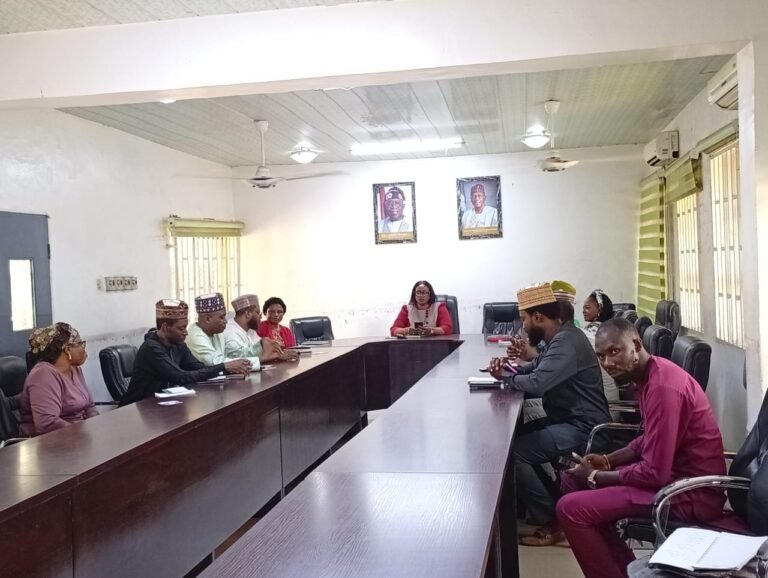
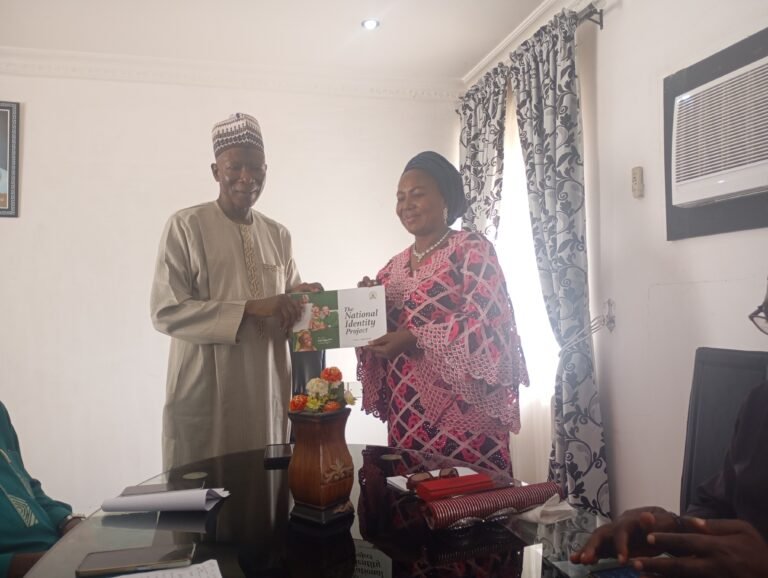
    Dr Priscilla Gondoaluor, the Zonal Director of the National Orientation Agency (NOA) in Kwara has commended the appointment of the state’s Head of Service, describing her as competent and well-prepared for the role.

    The Director said she was impressed by her track record after conducting background checks on her performance, noting that the agency prioritises research and fact-finding before engaging with institutions and leaders.

    She also lauded the Kwara Government for prioritising merit over gender considerations in her appointment, adding that the decision reflects the administration’s commitment to fairness and due process.

    The Zonal Director expressed optimism about her confirmation and pledged the agency’s support in strengthening governance through collaboration with the state civil service.

    She emphasised the critical role of the civil service in governance, describing it as the engine room of government and a key driver of policy implementation.

    According to him, the NOA recently expanded its structure to include zonal directorates across the six geopolitical zones, with the North Central headquarters located in Kwara, to enhance coordination and effectiveness.

    She explained that the agency is not a political body but is mandated to mobilise, sensitise, and reorient citizens towards positive behavioural change for national development.

    The Director noted that civil servants, drawn from diverse communities, play a vital role in influencing public attitudes and values, making them strategic partners in achieving the agency’s objectives.

    She highlighted the National Values Charter developed by the agency, which outlines commitments for both government and citizens, including equality, democracy, peace and security, inclusivity, justice, and meritocracy.

    According to her, the charter serves as a social contract aimed at strengthening accountability and fostering mutual responsibility between government and the people.

    He said the visit was to familiarise with the Head of Service and strengthen collaboration to promote effective service delivery in the state.

    In his remarks, the Kwara State Director of NOA, Mr Dare Abdulganiy, expressed appreciation for the existing relationship between the agency and the state government.

    He commended Gov. AbdulRahman AbdulRazaq for his developmental strides, particularly in the areas of pension payments and education reforms.

    Abdulganiy also lauded the Head of Service for her contributions to the civil service, describing her as dedicated and result-oriented.

    He appealed for sustained collaboration between the agency and state ministries, departments, and agencies to enhance public engagement and programme implementation.

    The Director urged the state government to continue to involve NOA in its activities, noting that such synergy would promote inclusive governance and better service delivery.

    He reaffirmed the agency’s commitment to supporting government initiatives and fostering national values among citizens.

    In her response, the Acting Head of Service in Kwara, Dr Olufunke Shittu, described the visit of the National Orientation Agency (NOA) as timely and significant, reaffirming the state government’s commitment to professionalism, integrity and improved service delivery.

    Shittu, who received the NOA Zonal Director and her team said the Kwara Civil Service had undergone major reforms under Gov. AbdulRahman AbdulRazaq, resulting in a merit-driven system.

    She cited the administration’s competency-based leadership assessments, noting that promotions and appointments were now determined through transparent, electronically-driven processes.

    “The system ensures that only the best candidates emerge, based strictly on merit,” she said.

    The Head of Service also highlighted the state’s citizen engagement model in budget planning, explaining that the government regularly consults stakeholders across the three senatorial districts to identify priority needs.

    “Before budgets are finalised, citizens are engaged to state their needs and assess previous performances.

    “These inputs guide government planning and implementation,” she added.

    Shittu emphasised that governance in the state remains people-centred, with policies designed to reflect the interests of the public.

    She further explained that the Office of the Head of Service plays a central role in coordinating ministries, departments and agencies (MDAs), ensuring alignment with government priorities and adherence to due process.

    The HoS, however, expressed concern over lapses in responding to public correspondence, stressing that civil servants must promptly acknowledge and address communications from citizens.

    She said the office would reinforce compliance and improve accountability mechanisms across MDAs.

    Shittu also disclosed plans to revive and strengthen the Civil Service Charter, which provides a feedback mechanism for citizens to lodge complaints on service delivery.

    “We will revisit the charter to ensure it functions optimally and that negligence is appropriately sanctioned,” she said.

    On collaboration, she called for a stronger partnership with NOA in sensitisation campaigns aimed at reawakening diligence, discipline and ethical conduct among civil servants.

    “There is a need to appeal to the conscience of workers and restore core values of the civil service. Without this, the system risks gradual decline,” she warned.

    Shittu urged NOA to continuously provide feedback on service delivery across MDAs, assuring that issues raised would be treated with urgency and sincerity.
    She expressed optimism that the visit would mark the beginning of sustained collaboration between both institutions.

  • Election should not be a trigger of conflicts, says NOA

    Election should not be a trigger of conflicts, says NOA

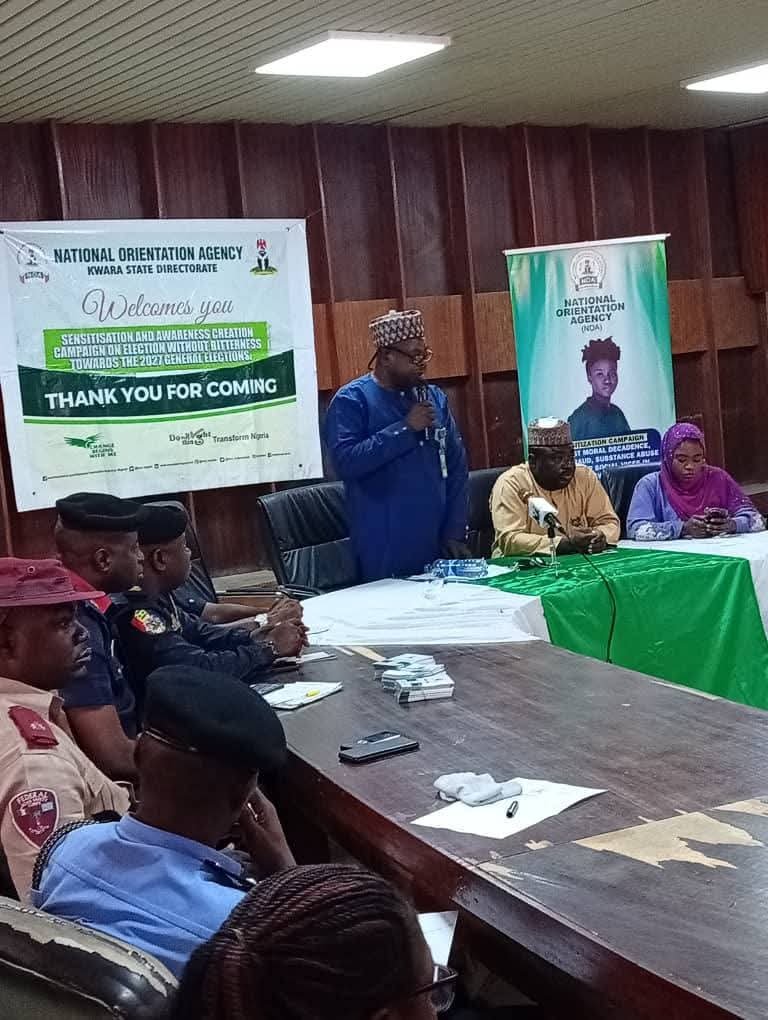
    NOA Kwara Director, Alhaji Abdulganiy Dare at the sensitization programme on ‘Election without bitterness’

    By Bushrah Yusuf-Badmus


    The National Orientation Agency (NOA) has said that electoral participation in Nigeria should be a means of promoting national peace, and not a trigger for conflicts.

    The State Director, NOA in Kwara, Mr Abdulganiy Dare, stated this on Thursday in Ilorin during a sensitisation workshop with concerned stakeholders on ”Election without bitterness”.

    Dare said “as we anticipate the 2027 General Elections, it is imperative that we begin to lay the groundwork for peace now.

    The NOA director said the gathering of stakeholders was to make commitment and take a proactive stand toward having a rancour free election in Kwara.

    “The moment we allow bitterness to take roots in our political engagements, we lose the moral high ground to call ourselves a civilized society.

    ”A responsible state is built when political actors stop seeing opponents as enemy, but as partners in the quest for a better world.

    ”In the past, elections have sometimes been viewed as a do or die affair, creating deep seated divisions within our communities.

    ”However, we must realize that a peaceful election is not a miracle.

    “It is a choice made by the political office seekers who choose this world over weapon and by the voters who chooses peace over provocation.

    ”We must embrace tolerance and moral high ground, because the strength of our democracy is found in our diversity of opinion, not in our ability to silence those who disagree with us,” he said.

    According to him, the agency is committed to engaging every corner of the state through town hall meetings, media advocacy, and grassroots dialogue to ensure that every citizen understand their role in maintaining order.

    Also, the INEC Resident Electoral Commissioner in Kwara, Dr Gabriel Longpet said that the communities are in need of growth, jobs, infrastructure, and hope and not endless quarrels.

    Longpet said when bitterness is allowed to dominate the political space, ordinary people become the greatest victims.

    ”In every society, politics is meant to serve as a tool for progress, unity, and the advancement of common good.

    ”However, experience has shown that when politics is driven by bitterness, grudges, and unhealthy rivalry, it loses its true purpose and becomes a stumbling block to development.

    ”My conviction is that leadership should be about inclusivity, tolerance, and open-mindedness.

    ”We may not always agree on ideas, but disagreement must never breed enmity and constructive criticism should replace destructive attacks, and dialogue should replace hostility,” he said.

    The Convener of the Coalition of Civil Society Organizations in Kwara, Abdulrahman Ayuba said the media should not be partisan in reportage as this would not allow them perform their watchdog role in the society.

    He also urged citizens to be cautious of posts that could cause problems and always verify information before putting them out in the social media.

    Chairman of SDP in Kwara Mr Ibrahim Saheed appealed to INEC to maintain neutrality, as it is very important to achieve politics or election without violence.

    He said a political party must not be seen as a favorite of the INEC.

    Other stakeholders at the programme include representatives of the NPF, NSCDC, EFCC,LP and others.

  • NRM presidential candidate promises policy reforms, youth Inclusion

    NRM presidential candidate promises policy reforms, youth Inclusion

    NRM Presidential Candidate, Fadere Oluwadamilare Joseph

    By Afusat Agunbiade-Oladipo

    The Presidential Candidate of the National Rescue Movement (NRM), Mr. Fadere Oluwadamilare Joseph, has pledged to reverse what he described as unfavourable policies of the current administration if elected in 2027.


    Joseph made the pledge while addressing journalists on Tuesday, lamenting the decline in Nigeria’s socio-economic conditions compared to earlier decades.


    He said that Nigeria once enjoyed free and qualitative education, improved security, and employment opportunities for graduates, but noted that the situation had deteriorated significantly.


    According to him, the country is now grappling with high unemployment, insecurity, and economic hardship, which he attributed to what he called self-centred policies by political leaders.


    “We had a country where citizens lived as their brother’s keeper, but today, insecurity and economic challenges have taken over,” he said.


    Joseph criticised the removal of fuel subsidy without adequate plans to cushion its effects, as well as the state of public education, which he said had forced many Nigerians to rely on expensive private schools.


    He also expressed concern over rising insecurity, alleging that inadequate welfare for security personnel and poor coordination among agencies had worsened the situation.


    He stressed that the country had witnessed a steady decline from its early years of prosperity.


    He said Nigeria once enjoyed free and quality education, improved security, and abundant employment opportunities, but had now become plagued by unemployment, insecurity and economic hardship.


    “Years ago, Nigeria was a country people travelled to for education, where citizens lived in safety and graduates had jobs waiting for them.


    “Today, we are faced with the opposite realities,” he added.


    The NRM candidate decried rising insecurity, noting that citizens now live in fear, unlike in the past when movement across cities was relatively safe.


    The NRM candidate called for increased funding, better equipment, and improved welfare for security operatives to effectively tackle insecurity.


    On the economy, Joseph said his administration would focus on creating an enabling environment for businesses to thrive, alleging that several companies had exited the country due to harsh economic conditions.


    He also advocated investment in electricity to reduce reliance on fuel, noting that stable power supply would benefit a larger percentage of Nigerians.

    Joseph further emphasised the need for youth participation in governance, urging Nigerians to elect leaders based on merit rather than political influence.


    He urged the citizens to utilise their voting power to bring about change, stressing that national development required active civic participation.


    He called for a generational shift in leadership and a comprehensive overhaul of government policies to address Nigeria’s socio-economic challenges.


    The presidential hopeful said his candidacy under the NRM was aimed at “rescuing Nigeria” and restoring the country’s lost glory.

  • Sen. Ashiru empowers 200 youths with ICT training, laptops in Kwara

    Sen. Ashiru empowers 200 youths with ICT training, laptops in Kwara


    By Afusat Agunbiade-Oladipo

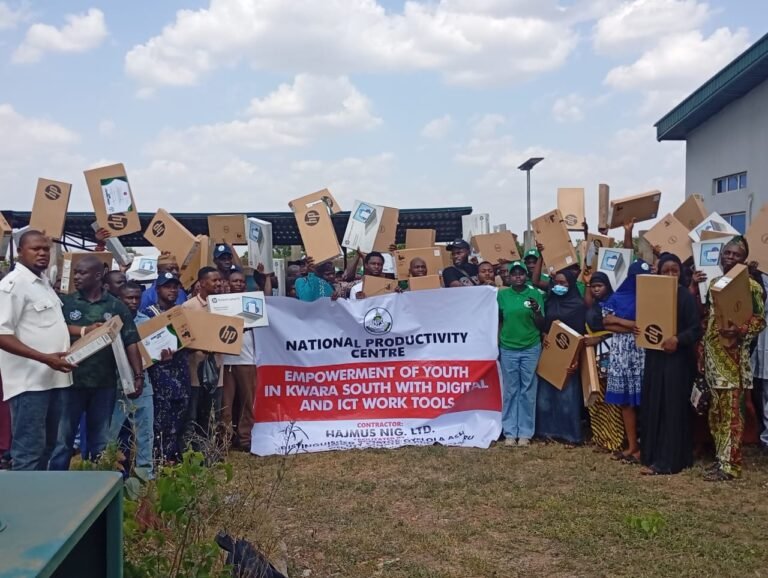
    Sen. Lola Ashiru has trained and empowered no fewer than 200 youths with Information and Communication Technology (ICT) skills and laptops in Kwara Central Senatorial District.

    Mr Yinusa Alabi, Senior Legislative Aide to the Senate President, said the initiative was part of Ashiru’s ongoing empowerment programmes for constituents across the seven local government areas in the district.

    Alabi, who spoke on the sidelines of the programme on Thursday,, said the training was the fourth or fifth in the series since the senator assumed office.

    He explained that the initiative, which coincided with the Ramadan period, also provided accommodation, Sahur and Iftar meals for participants, especially those who came from outside Ilorin and Offa.

    “This programme is designed to empower the generality of our people, particularly the youths, who constitute a higher percentage of the beneficiaries.

    “Participants cut across various professions, including students, artisans and small business owners such as fashion designers and traders,” he said.

    According to him, the training focused on equipping participants with digital skills to enable them leverage technology to grow their businesses and improve productivity.

    “The world is increasingly driven by technology. This programme is aimed at exposing our youths to the opportunities in ICT and how they can use it to promote their businesses and services,” he said.

    Alabi noted that the programme was inclusive, adding that beneficiaries were selected beyond political affiliations, including those who applied online from outside the senatorial district.

    He added that religious leaders and community stakeholders were also considered, to enable them utilise digital tools in their activities.

    “Some clerics and community leaders were included so they can apply these digital tools in their work, such as preparing sermons and managing information,” he said.

    The aide further disclosed that, in addition to the training and provision of laptops, beneficiaries were given transport allowances to ease their return to their respective destinations.

    Alabi expressed optimism that the initiative would boost socio-economic development in the district by enhancing digital literacy, improving business management and promoting accountability among small-scale entrepreneurs.

    He added that similar programmes would be organised in the coming months to reach more constituents.

    A graduate of Computer Science from Federal Polytechnic, Offa, Mr Balogun Ayodeji, who spoke on behalf of the beneficiaries, said the empowerment would go a long way in boosting his business.

    He commended Sen. Lola Ashiru for the gesture and prayed for greater opportunities for the lawmaker to enable him to do more for youths.

    Ayodeji added that the training had enhanced his confidence and improved his knowledge in digital skills, including web development, digital literacy and cybersecurity.

  • Untitled post 85780

    Policy sensitisation: NOA seeks stronger collaboration with Kwara Govt

    By Bushrah Yusuf-Badmus

    The North Central Zonal Directorate of the National Orientation Agency (NOA) has sought a stronger collaboration with the Kwara State Government on the sensitisation of its programmes and policies.


    NOA North Central Zonal Director, Mrs Priscilla Gondoaluor said this on Tuesday in Ilorin, while leading the agency’s management on a courtesy visit to the Secretary to the State Government, Prof. Mamman Saba Jibril.


    Mrs Gondoualuor said with the ongoing reformation in the state, government policies and programmes would be better accepted when understood.


    The zonal director said the collaboration became imperative to create behavioural change and mobilise people to support government policies and programmes.


    ”The zonal office was created to bridge the gap and join hands with the state offices in effecting the mandate of the NOA.


    ”Our activities are aimed at re-engineering the mindset of the people to support government policies, because support is impossible when the policies are unknown.


    ”Presently, we are aware of the collaboration between NOA and the state government but we want a stronger tie.


    ”This is because with all that the state is doing and for public acceptance, people have to take ownership of the programmes for them to have a sense of belonging,” she said.


    The zonal director also urged the state government to continue to initiate and support the inclusion of NOA in all programmes to drive the agenda of President Bola Tinubu to ”build Nigerians to build Nigeria”.


    Mrs Gondoualuor said the citizen’s mind need to be reoriented towards the government especially in the rural communities who have less trust in the government.


    She said citizens will have better understanding of the policies when communicated to them in ways they understand which the NOA was already known for.


    In his response, the SSG said the reorientation by the NOA is necessary as the human nature is forgetful when not reminded.


    Prof. Jibril pledged the government’s support to the agency for it to achieve the purpose it was created for.


    He said the government would provide all needed materials and the enabling environment to make the agency’s work easier.


    The SSG urged the zonal directorate to continue to remain focused to achieve desired results.


    Meanwhile, the NOA management had earlier visited the Commissioner for Communication, Mrs Bolanle Olukoju to strengthen the working relationship between the agency and the ministry.


    Gondoualuor suggested that the ministry approve a working committee comprising the Ministry, the State Directorate, and the Zonal Directorate to immediately commence the creation of awareness and sensitization of citizens on the mandates of existing bodies, ministries, and parastatals.


    She said this would project what the state government is doing and help the people appreciate the government, appreciate governance, trust the government, and cooperate with it.


    The commissioner, in her response, expressed delight at the visit and looked forward to a working relationship with the Agency.


    She also noted that the challenges faced as a people are not necessarily awareness but rather acceptability.


  • NGO trains 40 Youths on Digital Storytelling, Photography to amplify community voices

    NGO trains 40 Youths on Digital Storytelling, Photography to amplify community voices

    NGO trains 40 Youths on Digital Storytelling, Photography to amplify community voices

    By Afusat Agunbiade-Oladipo


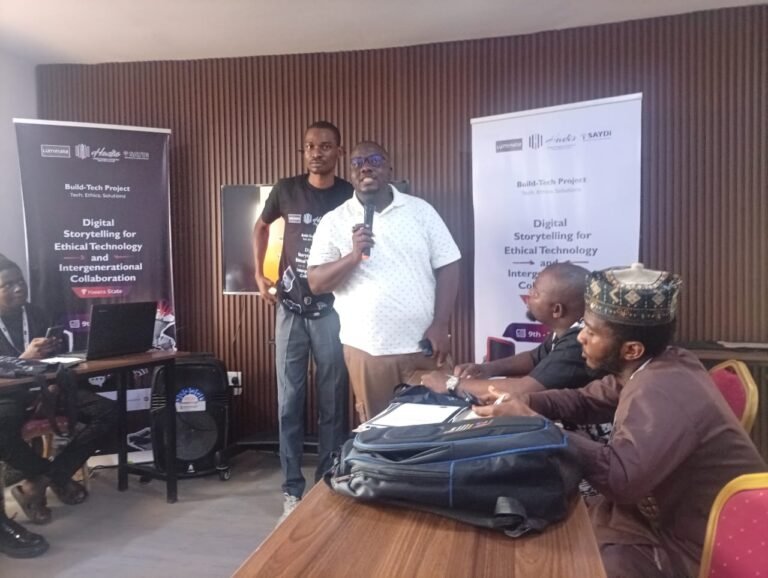
    Cross section of participants at the training

    The Saving African Youth Dream Initiative has trained 40 young people in digital storytelling, documentary filmmaking and photography to help amplify community voices and preserve cultural heritage.

    The Executive Director of the organisation, Mr Abdulateef Abdulkareem, said the training was designed to bridge the gap in documenting and sharing stories from local communities.

    Abdulkareem said many African communities were culturally rich but their stories were not adequately shared beyond their immediate environment.

    “Within our communities, there are many untold stories and talented young people who are interested in telling them but lack the tools and skills to do so effectively.

    “What we are doing is to equip them with digital storytelling skills so they can document their communities through short stories, documentary films, photography and other media practices,” he said.

    He explained that the programme also involved older participants to enable intergenerational learning and ensure that young storytellers benefit from the experiences and perspectives of elders.

    According to him, the training has 40 participants drawn from diverse backgrounds including photojournalism, media practice, documentary filmmaking and digital content creation.

    Abdulkareem said the initiative aimed to inspire participants to produce stories that would promote social change and highlight realities in underserved communities.

    “At the end of the training, we expect participants to create stories that will inspire change in their various communities.

    “We want them to amplify their voices using digital tools in an ethical way while also showcasing the rich cultural heritage we have,” he said.

    Abdulkareem who was also the founder of the initiative, said the programme was part of the Build Deck Project supported by the Hadis Foundation and funded by Illuminate.

    He added said the training would empower both young and older participants to document real-life issues affecting people in their communities.

    “The aim is to enable them to document everyday realities, especially in underserved communities, and share those stories with the world,” he said.

    One of the facilitators, a documentary photographer, Mr Abubakar-Sadiq Mustafa, said the training was also focused on teaching participants how photography could be used as a powerful storytelling tool.

    Mustafa, whose works focus on climate change, displacement, identity and culture, said many people often view photography only as a tool for social events such as weddingsand naming ceremonies.

    “Photography goes beyond documenting private events. It can be used to tell stories, raise awareness and influence social change,” he said.

    He added that participants were also being trained on the ethical use of photographs to prevent misuse that could fuel misinformation or conflict.

    Mustafa said photography had historically played major roles in shaping global narratives, including documenting wars and humanitarian crises.

    He noted that photographers could also contribute to preserving culture by documenting traditional practices that might eventually disappear.

    According to him, such documentation will enable future generations to experience and understand their cultural heritage through digital archives.

    Mustafa encouraged participants to also explore photography as a means of livelihood.

    “Photography has been my source of livelihood and it has transformed my life.

    “I believe it can also help many of these young people build sustainable careers,” he said.


    Another facilitator, Bushrah Yusuf-Badmus who spoke on the topic responsible journalism and consent protocol said it was important to adhere to the ethics of journalism in the face of digital storytelling amidst the saturation of the social media.

    She also noted that seeking consent of sources of information was important as they need to give approval on how their stories will be told.

  • FG assures Kwara residents of commitment to restore peace, tackle Insecurity

    FG assures Kwara residents of commitment to restore peace, tackle Insecurity

    FG assures Kwara residents of commitment to restore peace, tackle Insecurity


    By Toba Ajayi


    The Federal Government has assured residents of Kwara of its commitment to restoring peace and addressing insecurity in the region.


    The Senior Special Assistant to the President on Community Engagement (North Central), Dr. Abiodun Essiet, gave the assurance on Thursday in Omu-Aran during a community engagement meeting with stakeholders from Kwara South Senatorial District.


    Essiet said President Bola Tinubu prioritised grassroots engagement and had mandated her to interact directly with communities to better understand their concerns.


    According to her, the federal government was intensifying efforts to ensure safety across all parts of the country.


    She disclosed that a Citizens’ Assembly comprising youths and key stakeholders has been constituted and trained in intelligence gathering, documentation and reporting community concerns directly to the appropriate authorities.


    Essiet added that representatives from the seven local government areas in Kwara South were present at the meeting to articulate their challenges and needs.


    “We are in Kwara South to listen to the concerns of the people and relay them to the President,” she said.


    She explained that the Citizens’ Assembly would provide a platform for engagement with religious leaders, traditional rulers, association heads, vigilantes and women leaders at the grassroots level.


    The presidential aide urged residents to cooperate with security agencies, assuring them that concrete plans were in place to address the security challenges facing the country.


    She also advised community members to report suspicious movements and avoid harbouring unknown persons without proper verification.


    Essiet further warned against the payment of ransom to kidnappers, encouraging residents to report such incidents promptly to the appropriate authorities.


    She assured stakeholders that the Tinubu administration would sustain community-based engagements to strengthen trust and collaboration.


    In his remarks, the Olomu of Omu-Aran, Oba Abdulraheem Oladele Adeoti, commended the federal government for the engagement initiative.


    He, however, called for increased security presence in Kwara South.

    “We need more security personnel in Kwara South to guarantee the safety of our people,” he said.


    Adeoti also appealed to the government to rehabilitate the Omu-Aran–Ajase–Kabba road to enhance economic activities in the area.


    Similarly, the Olupo of Ajase-Ipo, Oba Ismail Muhammed-Alebiosu, urged the government to grant traditional rulers statutory roles backed by law, noting that they are closest to the grassroots.


    Alebiosu who is also the Chairman of Igbomina & Ekiti Traditional Rulers of Kwara also advocated for full local government autonomy, stressing that no tier of government should be dependent on another.


    Alebiosu further suggested the conversion of unused bush areas into productive ventures such as barracks and national parks to improve security and development.


    Representatives from Ekiti, Ifelodun, Irepodun, Isin, Offa, Oke-Ero and Oyun local government areas also attended the meeting.


    The SSA also visited the Council Secretariat in Ajase-Ipo, where she met with 12 traditional rulers from the Irepodun Traditional Council.

  • Group distributes Ramadan package to 200 aged, indigents in Ilorin

    Group distributes Ramadan package to 200 aged, indigents in Ilorin

    Group distributes Ramadan package to 200 aged, indigents in Ilorin

    By Bushrah Yusuf-Badmus


    An Islamic Non Governmental Organisation, Sisters of Jannah (SOJ), Ilorin Zone, has distributed 200 packs of foodstuffs to the aged and indigents in Ilorin.

    The distribution which took place on Sunday in Ilorin was done around Osere, Sango, Stadium road and Taiwo isale.

    Coordinator of Ilorin Zone, Mrs Mistura Afolabi said that the essence of the programme was to put smiles on the faces of the less privileged in the holy month of Ramadan.

    She said it was meant to support those that are fasting but couldn’t get to break their fast as they wish.

    ”Like we always do, we believe this month is a month that everyone should be happy by having what to break their fast with.

    ”So, out of the little we have as members and from contributions from donors, we deemed it fit to focus on the aged this year, because they cannot work to earn anymore,” Mrs Afolabi said

    The coordinator added that the programme was also meant to create awareness about the association and what it stands for.

    Some of the beneficiaries who spoke on the condition of anonymity appreciated the gesture and offered prayers for members of the association and their donors.


    Some of the foodstufs packed include rice, garri, millet, beans and salt

    Flowerbudnews reports that SOJ is a support charitable organisation focused on the islamic values of fairness, service to others and community building

  • Catch Them Young: ICAN takes sensitisation to secondary schools in Kwara

    Catch Them Young: ICAN takes sensitisation to secondary schools in Kwara

    Catch Them Young: ICAN takes sensitisation to secondary schools in Kwara


    By Bushrah Yusuf-Badmus

    The Institute of Chartered Accountants of Nigeria (ICAN), Ilorin and District Society has taken its sensitisation campaign on being a chartered accountant to secondary schools in Ilorin.


    At the Queens Elizabeth Secondary School and Government Secondary School, Ilorin, on Wednesday, the District Chairman, Mrs Bose Fagbile said the essence of the campaign was to catch them young.


    She urged the students not to wait till they enter higher institutions before they start the process, that they can start right after secondary school.


    While addressing the students, an ICAN Member, Mr Adeyemi Salau said the essence of the early education was for the students to become a chartered accountant at a young age.


    He said the district aimed to create the consciousness of ICAN in their subconscious minds.


    Salau who is the CEO Springboard Associates said being a chartered accountant isn’t restricted to students of commercial class alone but also for science and arts students.


    He said the only requirement is a minimum of O’ level results of five credits, including Mathematics and English language.


    ”For those that have the dreams of being an accountant in future, it is not enough to be an an accountant you have to be a smart accountant and to achieve that, you must be chartered.


    ”This is because being a chartered accountant gives room to practise various branches of accounting like Management Accounting, Taxation, Auditing, Forensic Accounting, Cost Accounting and others.


    ”An accountant that isn’t chartered yet is just a book keeper,” Salau said.


    He noted that there are five levels of examinations to be written before becoming a chartered accountant, while level 1-3 qualifies one to be a junior accountant.


    Salau urged the students to utilise the opportunity of breaking the record of the present youngest chartered accountant in Nigeria who became chartered at the age of 17.


    As a form of encouragement, the General Secretary of the district, Mr Toyin Alabi offered to sponsor the first five people to register for the Accounting Technician’s Scheme (ATS) examination.


    Principal of Queens Elizabeth Secondary School, Mrs Rashida Abdul appreciated ICAN for finding the school worthy to gain from their knowledge.


    She urged the students to utilise the opportunity to make a decision that will shape their future.


    On his part, Principal of Government Secondary School, Ilorin, Mr Babatunde Kuranga said the school was privileged to be a beneficiary.

    He commended the district for encouraging the students to be professionals.