
By Taiye Olayemi
No fewer than 282 persons with disabilities have successfully launched their own businesses through the Fashion Future Programme (FFP), implemented by Ethnocentrique in partnership with the Mastercard Foundation.
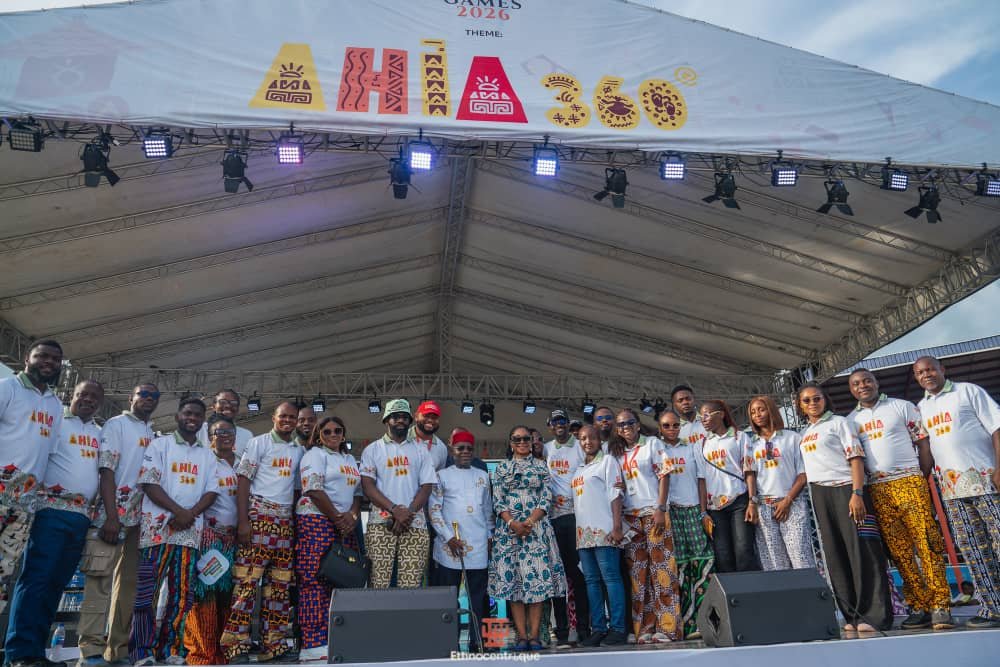
This milestone was announced at the close of the pilot phase of the programme during the 2026 edition of The Fashion Games, a two-day market activation held in Aba, Abia State.
The organisers in a statement on Friday said the initiative, designed to drive youth employment and enterprise growth in Nigeria’s fashion sector, had also generated over 10,000 primary and secondary jobs.
They said women accounted for more than 80 per cent of participants.
Speaking at the event, the Programme Coordinator of FFP, Mr Jeremiah Ubunamah, said the programme had reached over 10,000 beneficiaries across Aba and surrounding communities, with more than 6,000 directly participating in its activities.
Ubunamah noted that the initiative had supported the establishment of over 4,000 micro, small and medium enterprises (MSMEs), while facilitating over N200 million in orders for participating businesses.
He explained that the programme was designed to reposition fashion as a viable economic driver, rather than merely a creative pursuit.
Also speaking, the Chief Executive Officer of Ethnocentrique, Ms Irunna Ejibe, stressed the need for better coordination within the fashion ecosystem to unlock its full potential.
Ejibe said the programme had, in collaboration with the Abia State Government, established structured platforms to support MSMEs.
She sis this included the creation of cooperatives and a steering committee to align stakeholders across government, finance and enterprise.
According to her, no fewer than 99 MSMEs had been grouped into registered cooperatives to enhance their access to financing and improve governance structures.
In her remarks, the Country Director of the Mastercard Foundation in Nigeria, Ms Rosy Fynn, said the programme had exceeded expectations in terms of economic inclusion and enterprise development, particularly for young women and persons with disabilities.
Similarly, Gov Alex Otti of Abia reaffirmed his administration’s commitment to supporting local production and positioning Aba as a key player in the global fashion industry.
The organisers further disclosed that over 6,000 young people had been trained and certified under the National Skills Qualifications Framework (NSQF), while more than 100 Business Development Service Providers had been engaged to train over 4,000 MSMEs in Abia.
They noted that the successful pilot phase had demonstrated the potential of a coordinated approach to building sustainable fashion businesses, adding that plans were underway to expand the model beyond Aba.
The event also featured panel discussions on scaling production systems and improving access to finance for youth-led fashion enterprises, with stakeholders identifying poor coordination, weak business structures and limited funding access as major challenges facing the sector.
Highlights of the programme included a youth-led fashion runway, a business pitch competition, and the signing of a market agreement between the Abia State Ministry of Sports and Youth Development and Ethnocentrique to promote local sourcing.