
Akano Kolobo
In a political climate often defined by noise rather than substance, Governor Ademola Adeleke is steadily carving a different path—one grounded in governance, empathy, and tangible results.
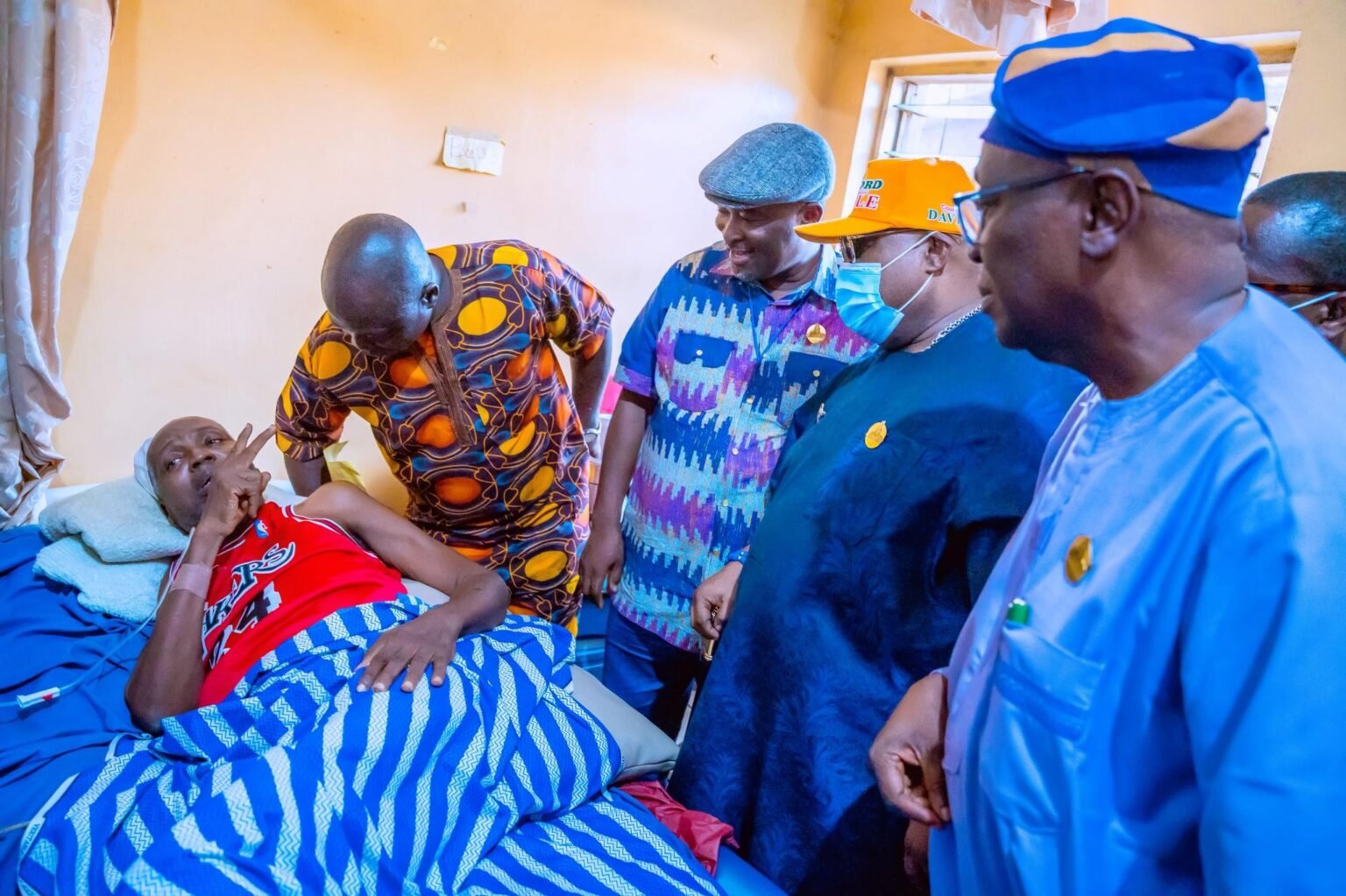
His recent unscheduled visit to the Osun State University Teaching Hospital may appear routine on the surface, but it speaks volumes about leadership style. This was not a staged inspection or a ceremonial appearance; it was a direct engagement with health workers and patients—those who experience government policies in real time. In a state where citizens have long yearned for responsive leadership, such gestures matter.
More importantly, the visit produced a concrete outcome: the long-overdue conversion of casual hospital workers into permanent staff. For over a decade, these workers laboured under uncertainty. Today, they have dignity, job security, and renewed hope. That single decision captures the essence of governance—putting people first.
Yet, governance in Osun has not been without resistance. Political distractions and power tussles are nothing new, especially in a state with a vibrant and competitive political landscape. Allegations of attempts to frustrate the administration, including issues around local government funds, highlight the challenges facing the current government. But rather than getting bogged down, Adeleke’s administration appears focused on delivery.
This is where the conversation about re-election becomes critical.
Elections should not merely be contests of personalities or party structures; they should be referendums on performance. By that measure, Adeleke is building a compelling case. From workers’ welfare to institutional strengthening, his approach signals a government that understands its priorities.
Critics will, as expected, raise concerns and question motives. That is the nature of democracy. However, the electorate must ask a simple question: Is Osun moving forward? If the answer leans toward yes—as recent actions suggest—then continuity becomes not just an option, but a necessity.
Governor Adeleke’s style may not fit the traditional mould of political leadership, but it is increasingly clear that effectiveness matters more than optics. In a time when many Nigerians are disillusioned with governance, Osun has an opportunity to reinforce a different narrative—one where leadership listens, acts, and delivers.
As the next election cycle approaches, the people of Osun will decide. But if governance is to be judged by impact rather than rhetoric, then the argument for giving Ademola Adeleke another mandate is one that deserves serious consideration.
If you want it sharper, more aggressive, or tailored for a newspaper like Vanguard or Punch, I can refine the tone further.
By Akano Kolobo
Apena compound
Ede