By Majekodunmi Oseriemen Ebhohon
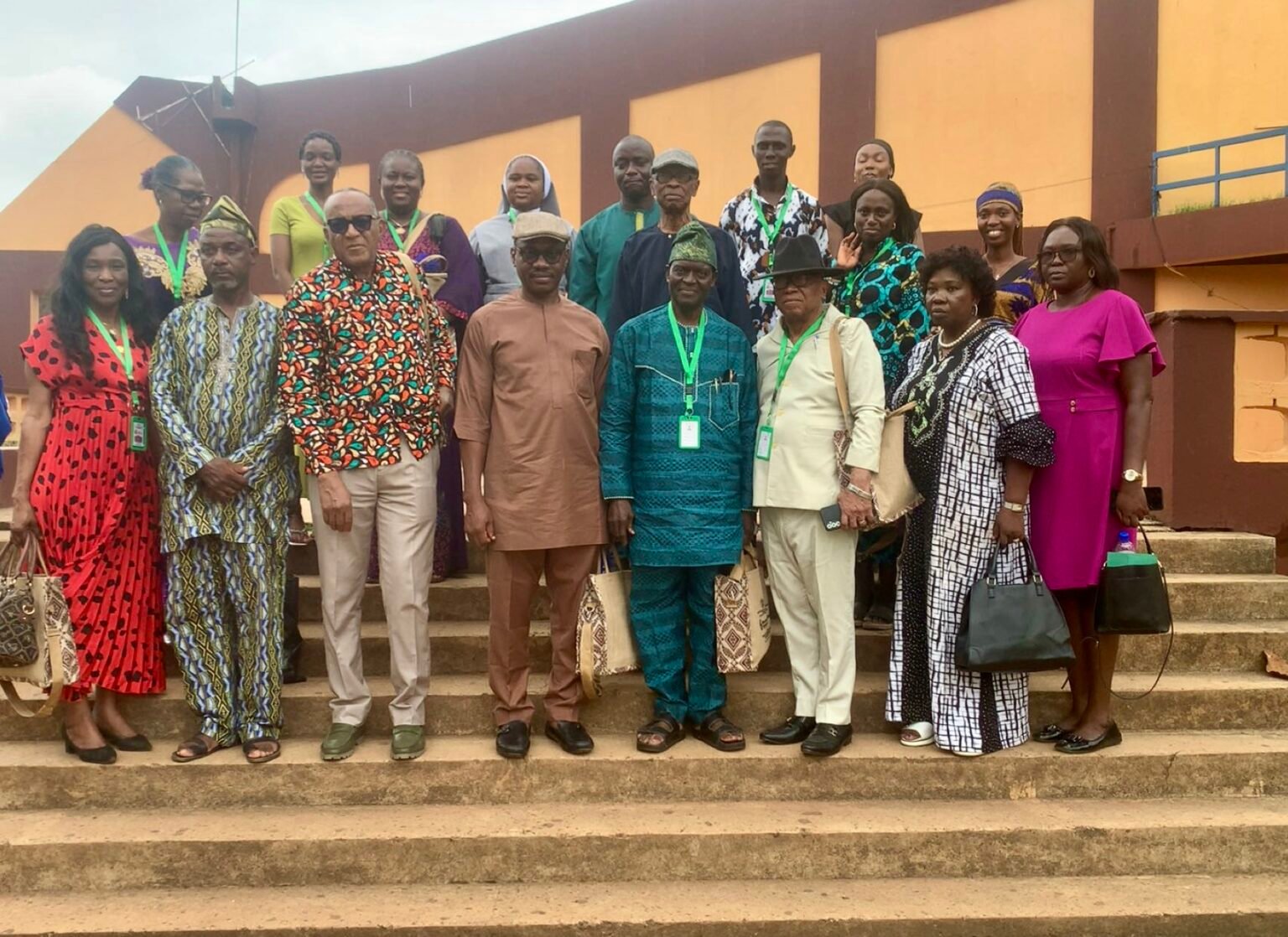
The Department of Foreign Languages at the University of Benin (UNIBEN) has concluded its 6th Biennial International Conference, drawing scholars, researchers, and cultural practitioners from across Africa to deliberate on regional integration and language education.
The three-day academic summit, held from May 17 to 19, 2026, centered on the theme: “Franco-Nigerian Literature, Language and Culture.” Throughout the event, participants examined the vital intersections of language, literature, and cross-border cooperation within the West African sub-region.
Cultural Opening Ceremony
The event commenced with a vibrant exhibition of arts and culture. Students from the University of Benin Demonstration Staff School (UDSS) and the University of Benin Teaching Hospital (UBTH) Staff School delivered a diverse repertoire of French songs and poems. This performance was seamlessly followed by traditional Benin cultural dances executed by the Edorisiagbon Theatre Troupe.
In her welcome address, the Conference Convener, Professor Ngozi Obiajulum Iloh, traced the history and institutional growth of the biennial gathering. To foster continued research excellence, Professor Iloh announced incentive packages specifying cash prizes of ₦100,000 each for the Best Paper Award and the Emerging Scholar Award.
An unprecedented delegation of the university’s principal officers attended the ceremony to represent the Vice-Chancellor, Professor Edoba Omoregie, SAN. The management team included the Deputy Vice-Chancellors: Professor Christopher Osubor (Administration), Professor Victor O. Igbineweka (Academics), and Professor Buniyamin Adesina Ayinde (Ekenwan Campus). The Registrar, Ms. Bimpe Omoyiwola, and the Bursar, Mr. Osagie Iguma Uwagboe Osifo, were also in attendance.
The Vice-Chancellor’s office formally declared the conference open, urging delegates to sustain a high register of intellectual engagement to generate actionable policy blueprints.
Call for French Language Reforms
Addressing the opening session, the Dean of the Faculty of Arts, Professor Osarhieme Benson Osadolor, advocated for a systemic overhaul of Nigeria’s national language policy.
Professor Osadolor emphasized that French language education must be structurally integrated into the academic curriculum from the primary school level straight through to the university tier. This policy shift, he argued, is critical to strengthening diplomatic and economic ties with neighboring Francophone nations, specifically the Benin Republic, Niger, Chad, and Cameroon.
Reflecting on institutional continuity, Professor Austin Moye—the fifth convener of the conference series who returned as the Special Guest of Honour following his retirement in November 2025—commended the Department of Foreign Languages for preserving its long-standing tradition of collaborative scholarship. He praised Professor Ngozi O. Iloh and her Local Organizing Committee for the logistical execution of the program.
Additionally, members of the Alumni 1986 Set paid tribute to their former lecturers and donated a new projector to the department, which was received by the Head of Department, Dr. Osas Emokpae-Ogbebor.
Keynote Address Explores Franco-Nigerian Literature
The intellectual anchor of the conference was a keynote lecture delivered by Professor Ramonu Sanusi, who mapped the evolution of Franco-Nigerian literature and its impact on regional identity.
Professor Sanusi provided a critical overview of Nigerian creative works written in or translated into French, highlighting the foundational and contemporary contributions of writers such as Françoise Balogun, Victor Ariole, Lynn Mbuko, Tunde Fatunde, Omonigho Stella, and Waliya Yohanna Joseph.
He posited that Nigerian authors writing in French do not discard their cultural heritage; instead, they integrate indigenous expressions, proverbs, and philosophical worldviews into the language, creating a distinct, translingual African literary identity.
Furthermore, Professor Sanusi characterized translation as an active form of cultural mediation rather than a passive linguistic transfer. He noted that digital publishing platforms and online academic networks are rapidly breaking down traditional gatekeeping barriers, expanding the scope of modern Franco-Nigerian literary scholarship.
TASUED Lecturer Wins Emerging Scholar Award
The conference concluded with the presentation of peer-reviewed honors to outstanding contributors.
Rev. Sister Martha N. Chia won the Best Paper Award, which came with a cash prize of ₦100,000. Meanwhile, Miss Ruth Damilola Adeoye, a first-class graduate and current lecturer in the Department of French at the Tai Solarin University of Education (TASUED), won the prestigious Emerging Scholar Award. Her paper presentation was highly commended by the panel of judges for its originality, methodological rigor, and distinct contribution to foreign language research.
In her remarks after receiving the prize, Miss Adeoye described the conference as a vital platform for early-career academics to interface directly with established professors in the discipline.
Reacting to the development, the Vice-Chancellor of TASUED, Professor Samuel Oladipo, stated that the award reflects the institution’s commitment to research excellence, urging younger faculty members to remain dedicated to impactful academic inquiries.
The communiqué issued at the close of the conference called for comprehensive curriculum reforms, increased institutional funding for translation studies, and deeper collaborative networks among African researchers and academic institutions.