
Tag: NGO

  • Alleged genocide: IHRC seeks swift diplomatic, security action to safeguard Nigeria’s global reputation

    Alleged genocide: IHRC seeks swift diplomatic, security action to safeguard Nigeria’s global reputation


    The International Human Rights Commission (IHRC Corporation) has called for urgent diplomatic and security action to safeguard Nigeria’s global reputation.

    The IHRC made the call following the recent comments attributed to the U.S. President, Donald Trump, about Nigeria’s security situation, which he described as “Christian genocide.”

    (Ambassador-at-Large and Head of Mission in Nigeria, Ambassador Hezekiah Duru,)

    The IHRC, in a statement through its Ambassador-at-Large and Head of Mission in Nigeria, Ambassador Hezekiah Duru, said Trump’s comment should be treated as a wake-up call for decisive leadership and international engagement, rather than an attack on the nation’s image.

    Duru said the situation on ground, though deeply troubling, should serve as a serious reminder for urgent national reflection and reform.

    He emphasised that even criticism, when rooted in humanitarian concern, should not be dismissed but used as an opportunity for introspection.

    “The painful truth is that innocent Nigerians, including Christians, Muslims, and citizens of no particular faith, continue to suffer deaths, displacement, and trauma from the actions of terrorists and banditry.

    “The loss of human lives cannot be ignored. The Nigerian Government must act now to prevent deeper misperceptions and diplomatic isolation,” he said.

    He called on the government to take Trump’s comments as a challenge to restore security and public trust.

    According to him, Nigeria must seize this moment to protect its citizens and rebuild confidence within the community of nations.

    He, therefore, urged newly appointed security chiefs to adopt proactive, intelligence-driven strategies and not wait for attacks before responding.

    “The time to act is now, before isolated violence grows into an entrenched crisis,” Duru said.

    He urged Nigeria to engage more actively with the international community, particularly the United States’ Government, the European Union and the United Nations, to reinforce trust and attract technical and intelligence support.

    He cautioned that “diplomatic silence in moments of global scrutiny can be misread as indifference.”

    According to the him , consistent communication and collaboration with allies would demonstrate Nigeria’s commitment to peace and human rights.

    He further proposed the creation of a High-Level Diplomatic Advisory Council made up of seasoned statesmen, legal experts, and foreign policy professionals to guide government’s engagement with international organisations and foreign governments.

    Such a council, he said, would reflect Nigeria’s seriousness in addressing insecurity and rebuilding confidence on the world stage.

    Duru reminded the government that Nigeria’s 1999 Constitution guarantees freedom of thought, conscience, and religion under Section 38(1), aligning with international human rights frameworks such as the Universal Declaration of Human Rights (1948) and the International Covenant on Civil and Political Rights (ICCPR).

    “These provisions must remain living principles, not dormant clauses,” he said, warning that terrorism, communal violence and kidnappings continue to erode national stability and global trust.

    Duru emphasised that the Nigerian government must lead its own rescue mission through stronger institutions, interfaith unity, credible communication, and a renewed commitment to human rights protection.

    “The world is watching, and silence or inaction will only embolden false narratives and external interference,”
    he added.

    Reaffirming its readiness to partner with the Federal Government, civil society and international allies, Duru said the IHRC would continue advancing peacebuilding, justice and human rights monitoring initiatives across Nigeria.

    He stressed that religious freedom and human dignity are not privileges but universal rights, calling for unity in addressing insecurity and restoring hope.

    “A tree does not stand alone in the storm, unity which remains the strength of our dear nation is highly threatened.

    “Nigeria’s destiny as Africa’s democratic leader depends on its ability to protect its citizens and act decisively against threats to life and peaceful coexistence.

    “The time for decisive action is now,” he said.

  • NGO urges FG to strengthen naira, crude supply to local refineries

    NGO urges FG to strengthen naira, crude supply to local refineries


    By

    The Southern Nigeria People’s Mandate (SNPM), an NGO, has called on the Federal Government to strengthen the naira and crude supply to local refineries to ensure steady socioeconomic growth.

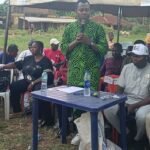
    The President of SNPM, Chief Augustine Chukwudum, made the appeal on Monday in Enugu while highlighting areas the Federal Government needed to strengthen to ensure continuous socioeconomic growth.


    Chukwudum said, “SNPM, hereby makes the following suggestions on the way forward and to bring Nigerians out of the woods.

    “The Federal Government should focus on strengthening our local currency, the Naira; this when done will check all forms of inflation both local demand-push and import demand-push inflation.

    “SNPM also renew our calls on President Bola Tinubu to ensure 100 per cent crude supply to local petroleum refineries with crude oil needed daily as this will further crash prices.”

    The SNPM also appealed to the Federal and state Governments to create an enabling environment for industry and tourism activities to flourish and create jobs for unemployed teeming youths.

    “Agriculture remains the only sector that have massive openings and opportunities to employ millions of people directly or indirect. Governments must invest in it and deal decisively with factors disturbing agriculture nationwide,” he said.

  • NGO trains journalists on reporting SGBV

    NGO trains journalists on reporting SGBV


    By

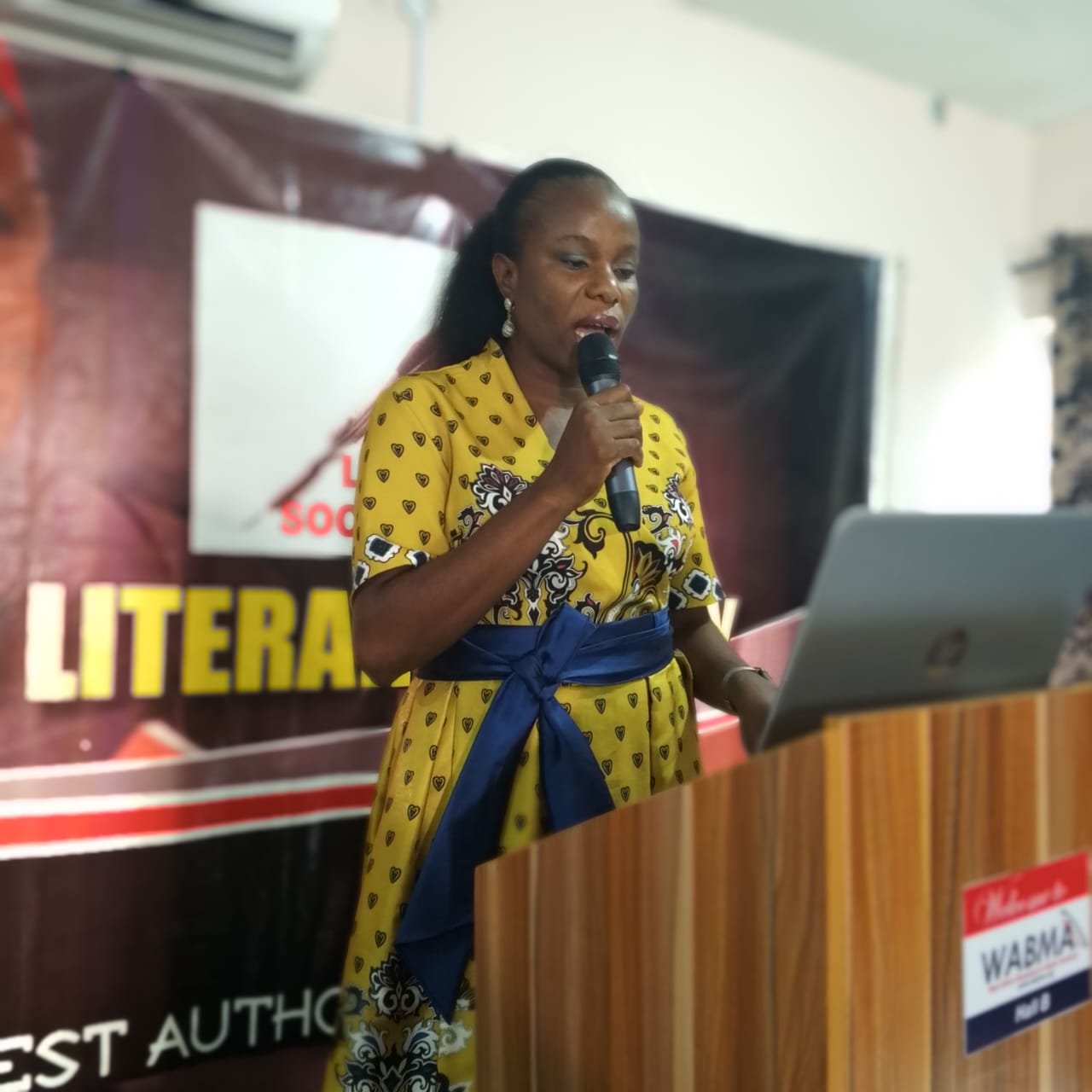
    The West African Broadcast and Media Academy (WABMA), an NGO, has trained journalists on the best world practice of reporting Sexual and Gender Based Violence (SGBV) cases.

    The Enugu State Chief Operations Head of the Organisation, Mrs Chidiebere Njoku, stated this at a one day Media Training on Thursday.


    WABMA Media Development Foundation is a non-profit development and impact-driven arm of the WABMA based in Nigeria, with campuses in Enugu, Abuja, and Lagos.

    Njoku said the foundation was dedicated to using media as a strategic tool for positive social transformation, particularly across West Africa.

    She explained that it worked at the intersection of media, development, and democracy.

    She said that it focused on building the capacity of journalists, content creators, and civic actors to drive inclusive narratives, power holders to account, and amplify voices from underrepresented communities.

    Njoku said that the core focus areas included ethical and development journalism, Sexual and Gender-Based Violence (SGBV) prevention and media advocacy, gender-responsive and inclusive media practices.

    She said that other focus areas included: election reporting and civic engagement, climate and public health communication media literacy and fact-checking, youth empowerment and leadership through storytelling among others.

    Njoku said that part of the project was to amplify the voices of leaders of faith and culture against SGBV.


    “By this, we engage religious and cultural leaders across Southern Nigeria to champion SGBV prevention, influence community norms, and enhance visibility through media training and storytelling,” she said.

    The head said that the vision was to be the leading catalyst for transformative media excellence and social impact in West Africa.

    She noted that the aim was also to build the capacity of media institutions and practitioners for a free, independent, diverse, and development-oriented media that strengthens democratic values and empowers communities.

    One of the resource persons, Dr Ambrose Igboke, a Regional Communications Consultant, said that narratives about SGBV were stereotypes which were rooted in the religion and traditions of the people.


    Igboke said that most third world countries practiced gender imbalance including Nigeria, adding that it had continued to bring discrimination in the society.

    He stressed the need to abolish stereotypes in Nigeria for people to bring out their best in opportunities or positions they found themselves without thinking of what people would say against them.

    In her speech, the Executive Director, Global Initiative for Development, Care of Women and Youths, Mrs Ngozi Ebo, advised journalists not to disclose the identity of survivors of SGBV while reporting cases.

    Ebo said, “Journalists should avoid blames, when interviewing survivors, as they may not like to speak up until they ensure that they will be protected.”

    Some journalists that participated at the workshop expressed satisfaction with the training saying that they would improve their reporting on SGBV.