Don advocates more inclusion, Digital Access, Literacy for women
By Bushrah Yusuf-Badmus
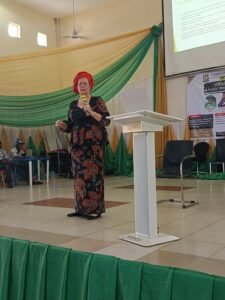
A Professor of Rural Sociology at the University of Ibadan, Prof. Janice Olawoye has called for more inclusion, improved Digital access and Literacy for the women gender for economic and personal developments.
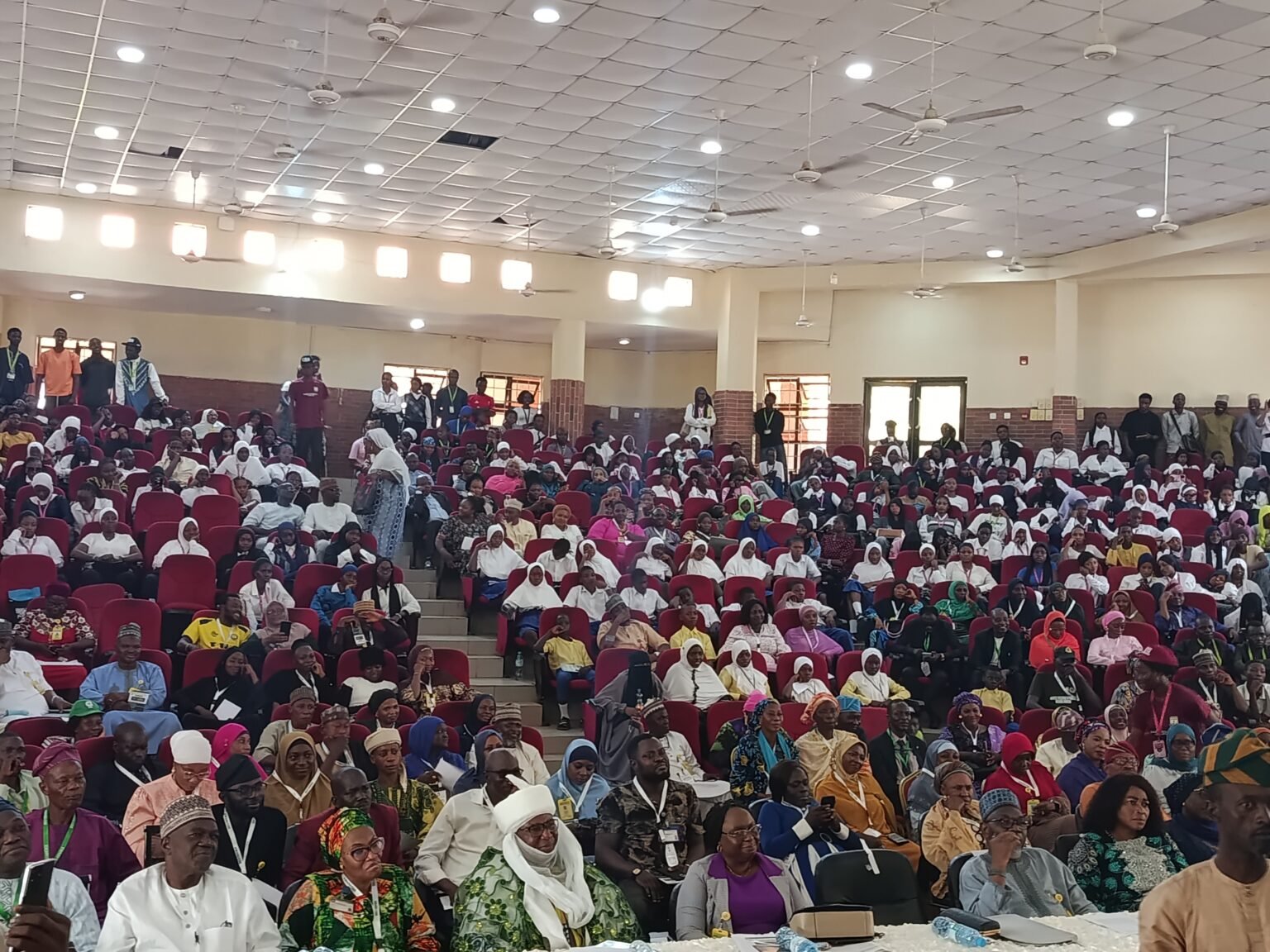
Olawoye spoke on Wednesday in Malete during the Launch and Public Awareness Symposium of the institution’s Centre for Gender Studies.
The symposium has it’s theme Gender, Digital Literacy and Sustainable Development: Interrogating Pathways to Inclusion.
Prof. Olawoye said the Gender Digital Divide showed the gaps/differences between men’s, women’s, boy’s and girl’s access and use of technology, the internet and mobile phones, reflecting gender inequalities.
She said women and girls face significantly greater barriers to accessing technology, developing digital skills and utilising the internet than men and boys.
“We have to ensure inclusive and equitable quality education and promote lifelong learning opportunities for all.
“It is estimated that about 90 percent of jobs worldwide has a digital component, so access to digital financial services has become important for women’s economic empowerment but requires access and ability to use digital services.
“Further to this, there is the need for digital literacy to enable persons to not only have access but be able to utilise the devices and platform to take advantage of these opportunities,” she said.
The don however called for a nexus between gender, digital access and literacy, inclusion and sustainable development for everyone to have equal ability to take advantage of opportunities in this era of digitalisation.
She said as the social dynamics, the technology and the needed skills all change, we must also adjust strategies to promote an inclusive system for all.
In her lead presentation, Dr Omowumi Macaulay- Adeyelure from the University of Lagos, said the three pathways to inclusion namely, education, economic participation and cultural safety must be guaranteed for women to achieve Digital Access and literacy.
She said the capabilities of women are usually constrained by social norms and by scarcity, so interventions must close both the devices gap and the gap in permission and expectations.
In his remarks, KWASU Vice Chancellor, Prof. Jimoh Shaykh-Luqman said the institution remained committed to gender equity and inclusion and will continue to provide an enabling environment where men and women can excel in their careers.
“The establishment of the Centre for Gender Studies is a natural extension of the University’s commitment to the advancement and empowerment of women and other vulnerable groups in society.
“The theme of today’s symposium is both timely and relevant because we live in a world where digital technology shapes access to information, education, employment, and participation in public life.
“Yet many people, especially women and other vulnerable groups, still face challenges in accessing digital opportunities and developing digital skills.
“As scholars and practitioners, we must continue to examine these challenges and explore practical solutions that promotes inclusion, equity, and sustainable development,” he said.
The Acting Director, KWASU Centre for Gender Studies, Dr Latifat Olatinwo said the establishment of the Centre reflects the determination to expand the frontiers of knowledge and provide solutions to contemporary societal challenges in gender studies.
She expressed optimism that the Centre would serve as a hub for impactful research, strategic partnerships, capacity building, and intellectual discourse in gender mainstreaming and inclusivity. (NAN)