







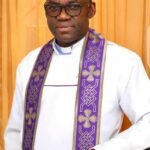

In a political season where many public office seekers are louder on social media than they are in the lives of the people, the growing admiration for Hon. Khalil Mustapha Adegboyega, popularly known as Repete, reveals something deeper about the mood of the people. Nigerians, especially at the grassroots, are gradually shifting attention from empty political noise to leaders whose impact can be seen, felt, and remembered.
Across communities today, one of the most trending conversations among the people is the increasing demand for accessible leadership. Citizens no longer want politicians who only appear during elections with rehearsed promises and disappear immediately after securing relevance. The people want leaders who stay connected to the streets, understand local realities, and carry the burden of the ordinary man with sincerity. It is within this context that the political identity of Repete continues to gain remarkable attention and acceptance.
What makes Repete’s growing popularity unique is not merely ambition; it is the perception of consistency, humility, and human connection that surrounds his personality. In an era where political leadership is often associated with pride, distance, and selective accessibility, Repete appears to represent a refreshing contrast — a man whose name continues to echo within youth circles, community discussions, political gatherings, and grassroots engagements because of his visible closeness to the people.
One striking reality about contemporary politics is that citizens now pay attention to leaders who genuinely identify with their struggles. Economic hardship, unemployment, insecurity, and social frustrations have made the people more conscious of who truly stands with them beyond ceremonial appearances. This explains why many young people and community stakeholders increasingly appreciate leaders who are visible during important moments in the lives of the people — celebrations, challenges, community development efforts, and social engagements alike.
Repete’s political style appears to align with this new expectation. His growing influence reflects a leadership philosophy built around presence, participation, and people-oriented relationships. Whether among the youths, elders, party faithful, or community stakeholders, his approach continues to project a personality that understands that leadership is not merely about occupying a position but about earning trust through constant human connection.
Another factor contributing to his rising image is the increasing demand for youthful and energetic political figures who can bridge the widening gap between governance and the people. Nigeria’s political future undoubtedly belongs to leaders who can communicate effectively with the younger generation while maintaining respect among elders and political structures. Repete’s appeal appears to cut across these divides, making him one of the emerging political figures whose name resonates beyond ordinary political conversations.
Importantly, effective leadership in today’s Nigeria requires more than speeches; it requires emotional intelligence, visibility, loyalty to the people, and the ability to inspire confidence. These qualities are gradually becoming the true political currency of modern democracy. It is therefore unsurprising that many observers continue to describe Repete as a politician whose political identity is steadily being shaped by grassroots admiration and expanding public goodwill.
Beyond politics itself, his growing acceptance also highlights a broader lesson: people naturally gravitate toward leaders who make them feel seen, respected, and valued. This is perhaps the strongest ingredient behind every enduring political movement. While political titles may come and go, genuine human connection remains permanent in the hearts of the people.
As conversations about credible representation, inclusive leadership, and grassroots development continue to dominate public discourse, personalities like Repete are likely to remain relevant in the minds of many who believe leadership should be closer to the people than to political luxury.
In the end, history rarely remembers leaders only for what they promised. It remembers those who stayed connected to the people, carried their hopes with sincerity, and built influence not through fear or propaganda, but through visible impact and genuine relationships. For many political observers and grassroots supporters, Hon. Khalil Mustapha Adegboyega (Repete) appears to be steadily building that kind of legacy.