CCIDESOR decries economic hardship, insecurity, violence, political exclusion of women in Nigeria
The Citizens Centre for Integrated Development and Social Rights (CCIDESOR) has decried the level of economic hardship, insecurity, community and domestic violence; and political exclusion faced by women in Nigeria.
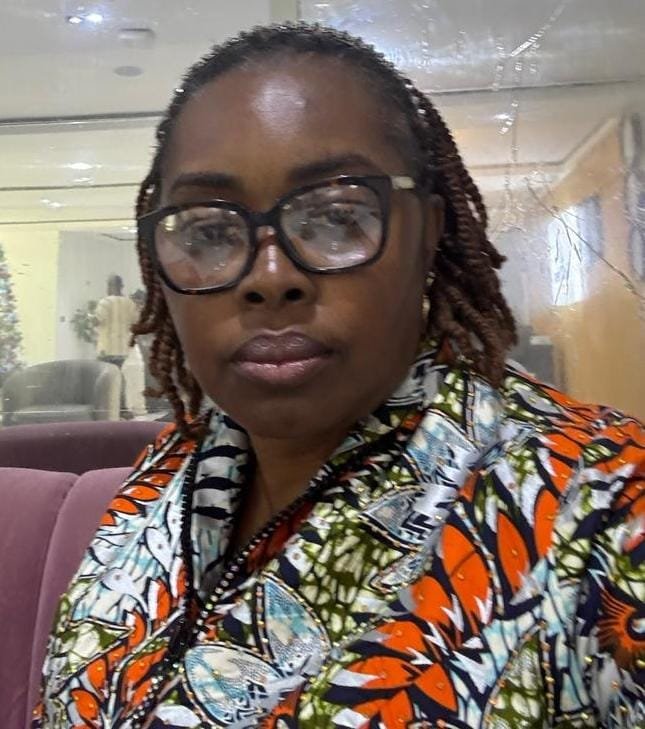
The acting Director of CCIDESOR, Nnenna Onyenoha, disclosed this in a special congratulatory message issued to newsmen in Enugu to celebrate 2026 International Women’s Day (IWD).
Onyenoha said that CCIDESOR celebrates women in Nigeria and classify them as the “Nigeria Gender of the Year because of what you have endured while contributing to societal development.”
According to her, the group calls on the Nigerian government, politicians, industrialists, leaders at the state and local government levels and all citizens to reflect deeply on the realities faced by Nigerian women.
She urged all to take deliberate steps toward addressing them before 2027; so that the 2027 International Women’s Day celebration would be more meaningful.

“In this periods of economic recession and limited opportunities, Nigerian women – many of whom already face structural barriers to economic empowerment – become even more vulnerable to poverty, impoverishment and exclusion.
“In Nigeria’s worsening security situation, women and girls remain among the most affected.
“From violent attacks on communities to the tragic abductions of schoolgirls and community women, Nigerian women continue to face disproportionate risks and threats to their safety and dignity.
“Across communities and homes, the painful realities of gender-based and domestic violence, rape and other forms of sexual violence, even against highly placed elected female politicians and businesswomen persist in many parts of our country,” she said.
The acting director said that in Nigeria’s political space, women are still treated largely as outsiders; adding that political violence, the monetisation of our politics, and exclusionary practices continue to limit women’s participation.

“A clear example is the very low representation of women in the National Assembly. Out of 109 Senate seats, fewer than five are currently held by women, reflecting the deep structural barriers to women’s political inclusion.
“Nigeria’s male dominated National Assembly is almost deeming the hope of millions of Nigeria women in passing the NASS special seat bill for women.
“We use this day to urge them to act faster and pass the bill,” she said.
Onyenoha commended the tireless efforts of women’s rights defenders, activists, and advocates who continue to work under extremely difficult conditions to protect the rights and dignity of women and girls across Nigeria.
“Nigeria must take concrete steps to: Strengthen laws and policies that protect women’s rights and promote meaningful political representation for women.
“Expand economic opportunities for women as well as improve security and justice systems that protect women and girls.
“Only through these actions can Nigeria restore and guarantee the full economic, social, political, and legal rights of women,” she added.