By Jimoh Babatunde
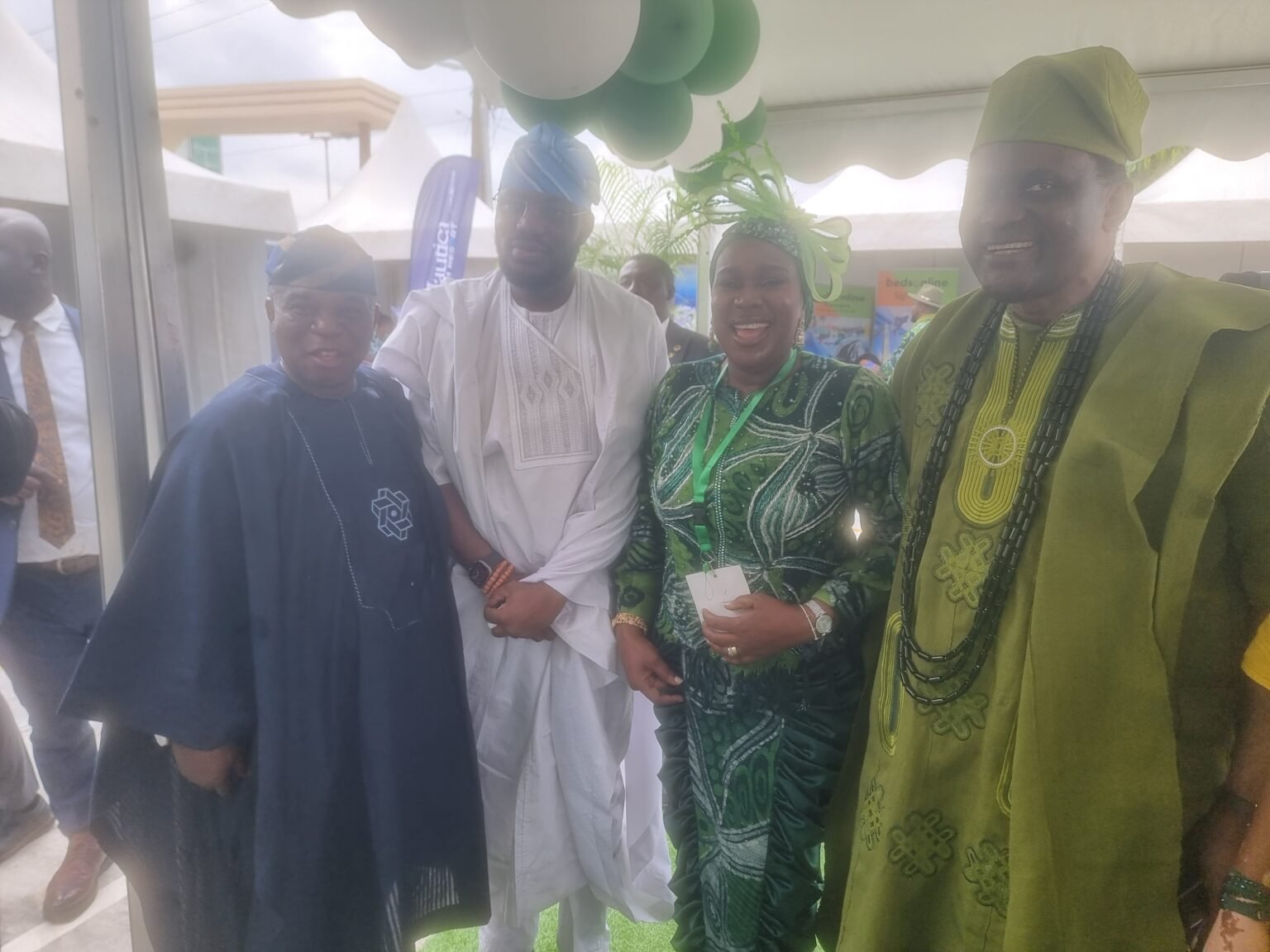
The 10th Annual General Meeting (AGM) of the Nigerian Association of Tour Operators (NATOP) was more than another gathering of tourism stakeholders. It became a meeting point for ideas, policy advocacy and institutional reforms that could shape the future of Nigeria’s tourism industry.
Held in Lagos, the event brought together government officials, tourism operators, airlines, security agencies and policymakers around one central question: How can Nigeria unlock its enormous tourism potential?
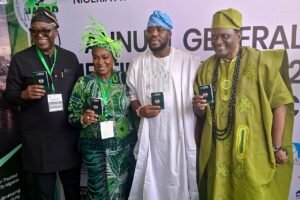
From the inauguration of NATOP’s first national secretariat to the launch of a new website and the NATOP Tourism Passport, and from discussions on infrastructure to debates on taxation and destination marketing, the AGM reflected an industry determined to move from potential to performance.
A permanent home, a stronger identity
Perhaps the most symbolic achievement unveiled during the AGM was the commissioning of NATOP’s first-ever national secretariat.
For an association established more than a decade ago, owning a permanent headquarters represents more than acquiring office space. It signals institutional maturity and provides a central hub for policy engagement, member services, training and international collaboration.
Chairperson of the AGM Planning Committee, Joy Alexander-Ozeigbe, described the secretariat as giving NATOP a permanent identity while complementing its growing digital presence.
The secretariat is expected to become a rallying point for operators seeking collaboration, capacity building and stronger engagement with government agencies and international partners.
Government responds on taxation
For years, multiple taxation has remained one of the biggest complaints from tourism operators in Lagos and across Nigeria.
At the AGM, the Lagos State Government sought to reassure investors that the situation has improved significantly.
Representing the Commissioner for Tourism, Arts and Culture, the Permanent Secretary in the ministry, Oloruntoyin Bopo Oyekan-Ismaila, said Governor Babajide Sanwo-Olu directed the harmonisation of taxes to eliminate multiple taxation.
Although she admitted that isolated complaints may still arise, she insisted that businesses complying with tax obligations should no longer experience repeated demands from government agencies.
For tour operators, hotels, restaurants and other tourism businesses, reducing multiple taxation could lower operating costs and improve the investment climate.
Tourism beyond government
One of the strongest messages from the AGM came from Air Peace Chairman, Dr. Allen Onyema, who argued that government alone cannot build a thriving tourism industry.
According to him, tourism requires an effective partnership between government and the private sector.
He challenged tour operators to become active promoters of Nigeria’s tourism assets rather than depending solely on government campaigns.
His endorsement of the Lagos-Calabar Coastal Highway generated considerable attention.
While acknowledging that opinions differ on the project, Onyema argued that improved transport infrastructure will open up beach destinations, improve accessibility and stimulate tourism-related investments along Nigeria’s Atlantic coastline.
He compared Nigeria’s coastal resources with Caribbean nations that rely heavily on beach tourism despite having far fewer natural advantages.
Selling Nigeria’s cultural wealth
Nigeria possesses one of Africa’s richest cultural landscapes.
With hundreds of ethnic nationalities, colourful festivals, traditional architecture, historical monuments, wildlife reserves, waterfalls and beaches, the country arguably has one of the continent’s most diverse tourism portfolios.
Yet many of these attractions remain poorly marketed.
Onyema challenged tour operators to package events such as the Durbar festivals, the Calabar Carnival and numerous local cultural celebrations into marketable tourism products capable of attracting domestic and international visitors.
His argument reinforces a growing consensus within the tourism industry that Nigeria must move beyond simply possessing attractions to professionally packaging and promoting them.
Strong institutions matter
For NATOP President, Hajia Bolaji Mustapha, the conversation goes beyond marketing destinations.
She believes the country needs stronger tourism institutions capable of supporting operators and creating globally competitive destinations.
Speaking on the conference theme, “Unlocking Nigeria’s Tourism Potential: Strengthening Tour Operators for Sustainable Destination Development,” she said tourism development requires empowered operators, innovation, strategic partnerships and sustainability.
Her message reflected a broader understanding that successful destinations are built through coordinated institutions rather than isolated initiatives.
She reminded members that tour operators are not merely travel agents but destination ambassadors, storytellers and contributors to national economic development.
Technology meets tourism
Recognising the digital transformation sweeping through global travel, NATOP also unveiled a redesigned website alongside the NATOP Tourism Passport.
The website is expected to improve the association’s visibility while making it easier for tourists and investors to connect with certified operators.
The Tourism Passport serves as both a promotional publication and a directory of authentic Nigerian tour operators and tourist destinations.
Together, both initiatives reflect NATOP’s determination to embrace digital tourism while maintaining a physical presence through its newly commissioned headquarters.
Leadership continuity
The AGM also produced a clear vote of confidence in the association’s leadership as members returned Hajia Bolaji Mustapha unopposed for another term as president.
Her re-election followed recognition by the Board of Trustees Chairman and former FTAN President, Nkereuwem Onung, who praised the administration for restoring stability, increasing membership, introducing a unified identity card scheme and enhancing NATOP’s national and international profile.
Leadership continuity may provide the association with the stability needed to pursue long-term reforms and deepen collaboration with government agencies and private investors.
The road ahead
The discussions at NATOP’s 10th AGM demonstrated that Nigeria’s tourism industry is no longer focusing only on identifying challenges. Stakeholders are increasingly proposing practical solutions—improved infrastructure, tax reforms, institutional strengthening, destination branding, digital innovation and stronger public-private partnerships.
The inauguration of the association’s first secretariat symbolises an organisation building stronger foundations. The launch of new digital platforms reflects an industry adapting to changing global travel trends. Government assurances on tax harmonisation point to efforts to improve the operating environment, while calls for greater collaboration highlight the need for collective action.
Whether these commitments translate into measurable growth will depend on sustained implementation. But one message emerged clearly from the Lagos gathering: Nigeria possesses the assets to become a leading tourism destination. The challenge now is transforming those assets into experiences, investments and jobs that can drive economic diversification.
If the conversations at the 10th NATOP AGM are matched with consistent action, the association may well have set the agenda for the next phase of tourism development in Nigeria.