


FG Pushes Dairy Self-Sufficiency with Capacity Building Initiative.
By Oluwaseyi Oduneye-Ogunwomoju
The Federal Government has identified capacity building for grassroots farmers as a critical driver for transforming Nigeria’s dairy industry.
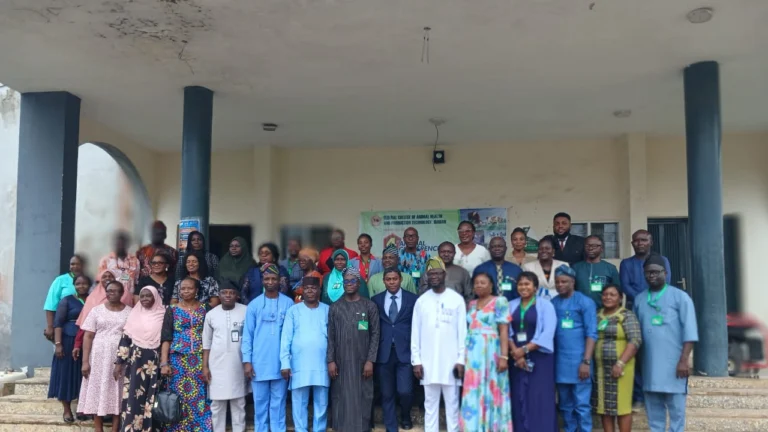
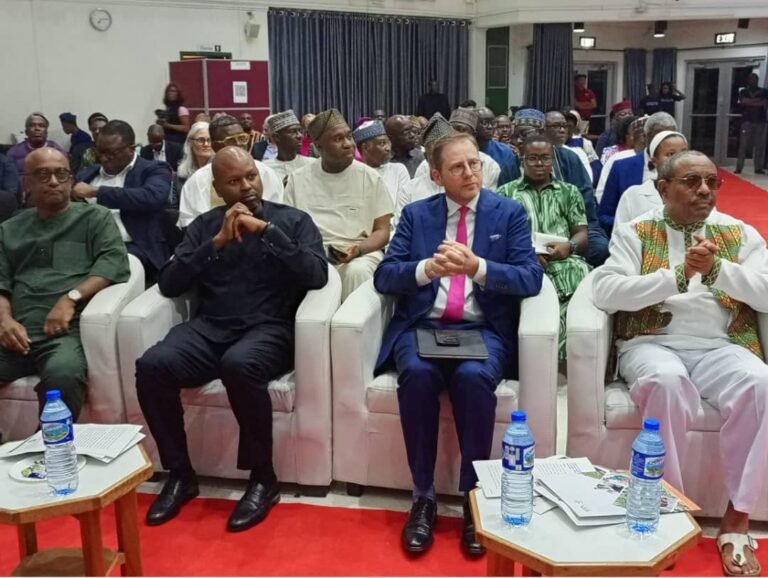
Speaking at a training programme for 100 small-scale dairy farmers in Ibadan on Monday, the Senior Special Assistant to President Bola Tinubu on Livestock Development, Mr Idris Ajimobi, described the initiative as both timely and strategic.

The training, organised by the Federal Ministry of Livestock Development, focused on best practices in dairy farming.
Ajimobi said the programme was designed to enhance farmers’ productivity, improve milk quality and promote a sustainable dairy value chain capable of benefiting rural communities and the broader economy.
“As we strive for self-sufficiency in livestock production, initiatives like this highlight that true transformation begins with empowering farmers at the grassroots,” he said.
He reaffirmed the Federal Government’s commitment to developing the livestock sector through targeted policies, partnerships and programmes aimed at unlocking its economic potential, urging participants to maximise the opportunity and apply the knowledge gained.

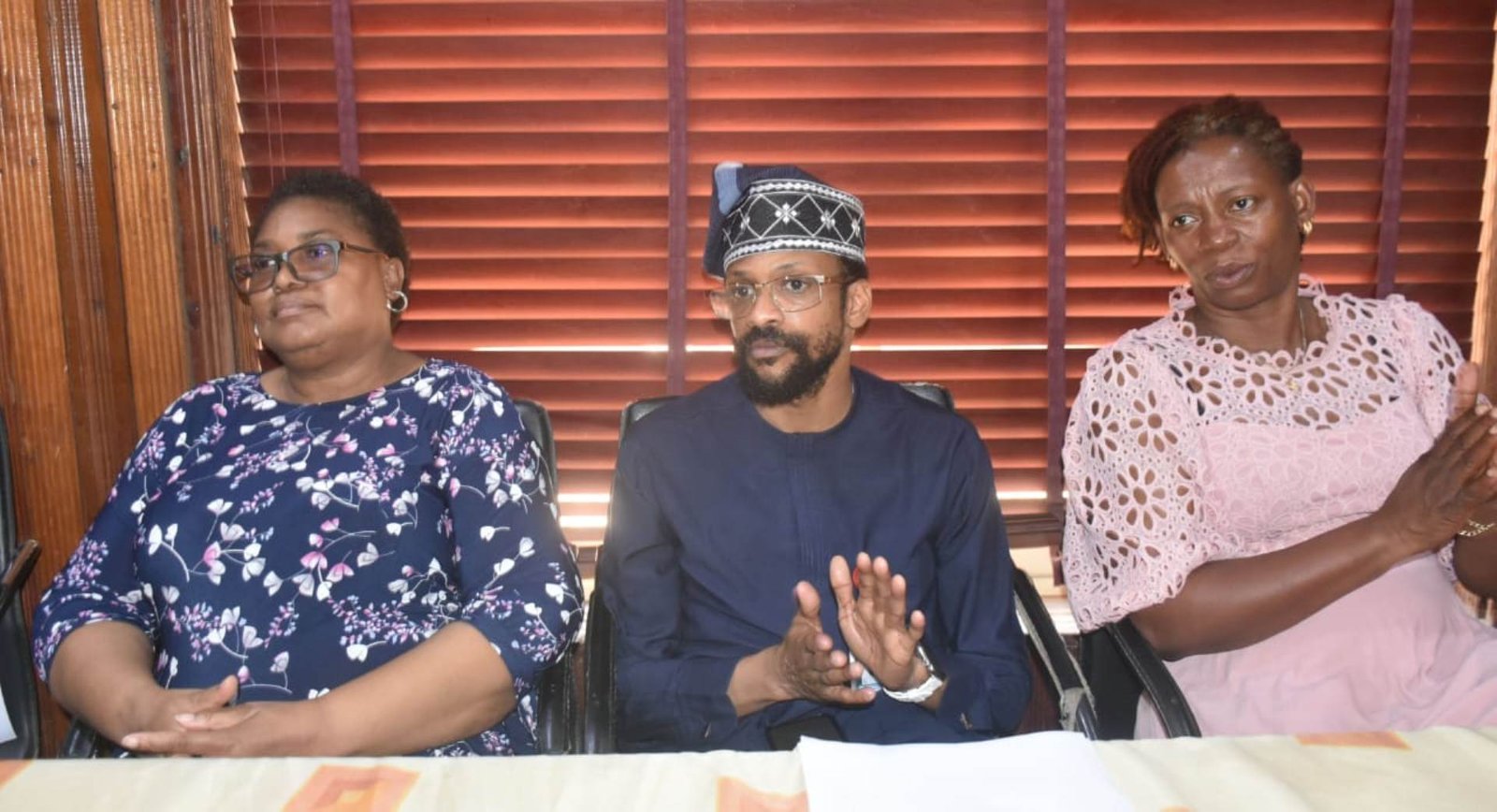
In her remarks, the Oyo State Coordinator of the Federal Ministry of Livestock Development, Dr Florence Kalulu, said the training represented a collective effort to strengthen the livestock sector and improve farmers’ livelihoods.
She emphasised the importance of small-scale dairy farmers, describing them as central to local milk production, food security and rural economic growth.
Kalulu, however, noted that the sector continues to face significant challenges, including low productivity, poor animal health management, inadequate hygiene practices and limited access to modern technologies.
“If not addressed, these challenges will continue to affect the profitability, quality and safety of milk production,” she said.
She reiterated the ministry’s commitment to repositioning the dairy industry in line with the National Livestock Growth Acceleration Strategy (NL-GAS), with a focus on boosting productivity, improving livelihoods, reducing import dependence and strengthening national food security.
According to her, the training goes beyond knowledge sharing, as participants are expected to become advocates of improved practices within their communities.
“We recognise that policies alone cannot drive change. Real impact occurs when farmers gain practical knowledge, upgrade their skills and adopt better production methods,” she added.
Also speaking, the President of the Women in Dairy Production Association (WIDPA), Mrs Racheal Eyitayo-Ariori, commended the government for prioritising the dairy sector.
She stressed that supporting small-scale dairy farmers would significantly boost economic growth and increase milk production nationwide.
Eyitayo-Ariori called for greater inclusion of women in dairy production, noting that recognising farmers in the South-West was a positive development.
“Oyo State remains a major hub for agricultural activities in this region,” she said.
A participant, Mr Moyosore Olatunde, who has been in dairy farming for 13 years, advocated increased youth participation in the sector.
According to him, involving younger generations would introduce innovation and accelerate growth, especially with adequate government support.