By Sam Israel JP
There are moments in political history that quietly redefine the rules of engagement, not through noise or confrontation, but through discipline, restraint, and clarity of purpose. What has unfolded in Nasarawa State is one of such moments—subtle in execution, yet profound in implication.
Governor Abdullahi Sule’s handling of succession is not just a political move; it is a case study in leadership maturity. In an environment where ambition often overrides structure, and where succession battles frequently fracture parties beyond repair, this process stands apart. It was deliberate, patient, and—most importantly—predictable to those who paid attention.
For over a year, the governor did something rare in Nigerian politics: he observed more than he spoke. Rather than impose a candidate abruptly, he created a living laboratory of governance, exposing aspirants to the inner workings of leadership. This was not symbolic inclusion; it was strategic grooming.
By doing so, he achieved two critical objectives. First, he tested competence under real conditions. Second, he removed the usual excuse of exclusion. Every serious aspirant had access, visibility, and voice. That alone neutralized the kind of grievances that typically destabilize parties after such decisions.
The eventual emergence of Senator Ahmed Aliyu Wadada as the Muje Maha, therefore, was not an accident. It was the logical conclusion of a structured evaluation process. Those who followed closely could see the trajectory long before the declaration was made public.
What makes this moment even more significant is the governor’s adherence to the zoning understanding. While not codified in law, zoning has served as a stabilizing mechanism in Nasarawa State. Respecting it is not merely political correctness—it is conflict prevention. By aligning his decision with this principle, the governor reinforced a system that sustains balance across the state’s diverse interests.
Equally important is how the governor managed dissent. He did not suppress ambition; he accommodated it. Aspirants from all zones were engaged thoroughly, not perfunctorily. This approach transformed what could have been a battlefield into a competitive but controlled process.
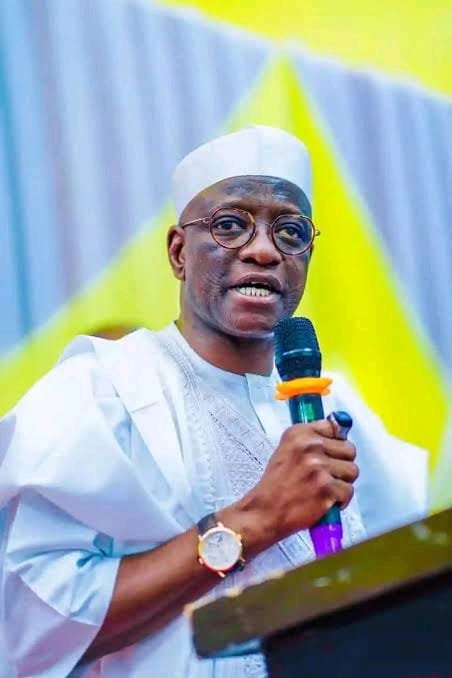
Now, the spotlight shifts to Senator Wadada. His political journey suggests resilience, adaptability, and grassroots credibility. His past contests, victories, and even setbacks have collectively shaped a figure who understands both the mechanics of power and the patience required to attain it.
His acceptance posture is telling. In politics, tone often reveals more than intention. By choosing humility over triumphalism, and unity over division, he signaled awareness of the fragile coalition he must now lead. Winning endorsement is one thing; consolidating it is another.
However, this moment is not solely about the governor or the anointed candidate. It is equally about the other aspirants. Their next steps will determine whether this process becomes a model or a missed opportunity. Political maturity is most visible not in victory, but in how defeat—or near victory—is managed.
If they choose alignment, the party emerges stronger, more cohesive, and better positioned for the general election. If they choose fragmentation, they risk undoing the very process that gave them relevance and visibility in the first place.
There is also a broader lesson here for Nigerian politics. Succession does not have to be chaotic. Leadership transition can be managed through consultation, transparency, and respect for stakeholders. What is often lacking is not the framework, but the will to follow it.
Nasarawa State now stands at a strategic crossroads. The groundwork has been laid, but groundwork alone does not win elections. Mobilization, reconciliation, and message discipline will determine whether this moment translates into electoral success.
For the electorate, this is also a defining period. Beyond party dynamics, voters will ultimately assess credibility, track record, and vision. The process that produced a candidate is important, but the capacity of that candidate to deliver remains the decisive factor.
The declaration of a Muje Maha is not the end of a journey—it is the beginning of a more demanding phase. Expectations will rise. Scrutiny will intensify. Alliances will be tested.
In the end, what Governor Sule has done is to hand over not just a candidate, but a responsibility—a responsibility to sustain unity, deepen trust, and deliver results. Whether that responsibility is upheld will define the next chapter of Nasarawa’s political story.
The moment has been created. What happens next will determine whether it becomes a legacy or just another episode in the long narrative of Nigerian politics.
Sam Israel is the Senior Special Assistant SSA on media to Senator Ahmed Wadada Aliyu.