THE FORGIVEN MUST BECOME FORGIVING: AN EASTER COVENANTAL CALL FOR NIGERIA – BISHOP ONYIA
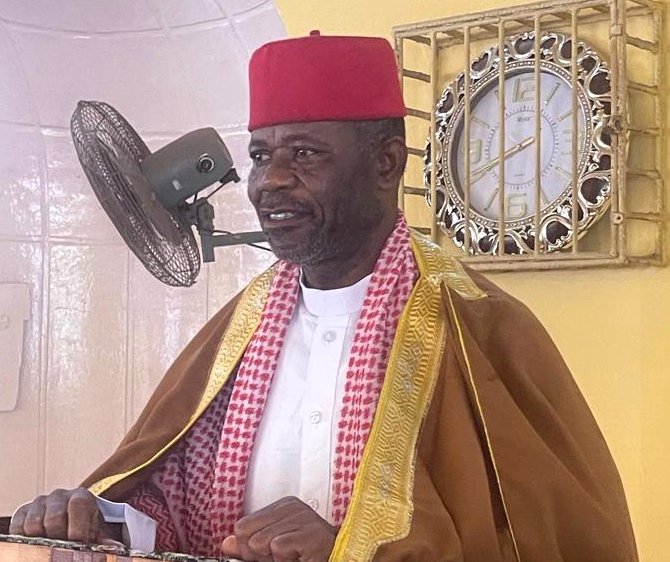
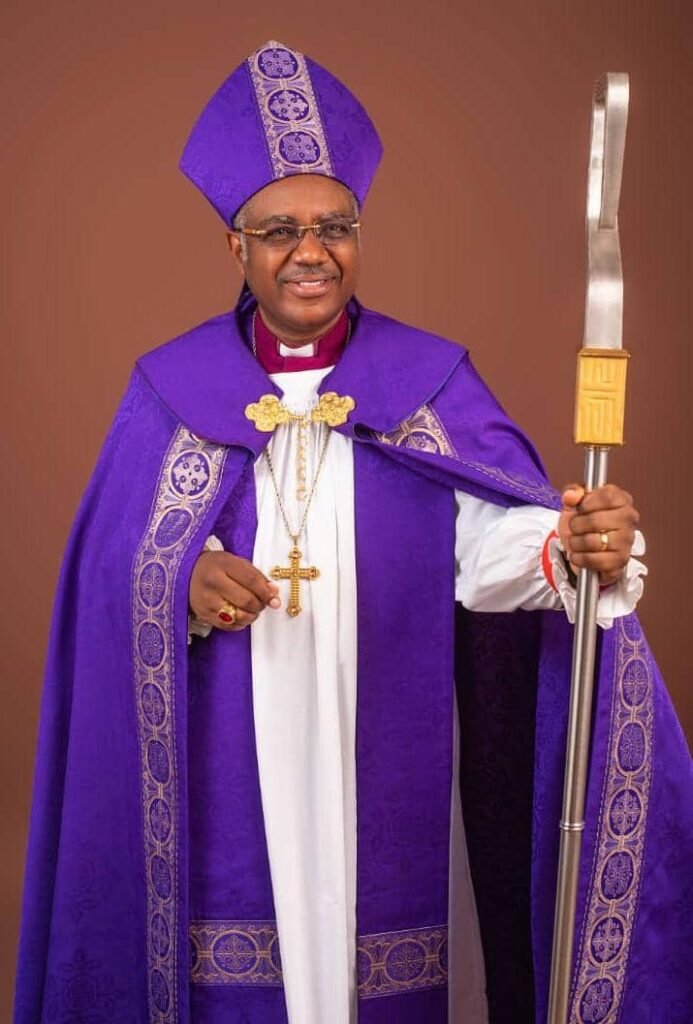
By Rt. Rev. Dr. Christian O. Onyia, Bishop, Diocese of Nike (Anglican Communion)
The Rt. Rev’d Dr. Christian O. Onyia, Bishop of the Diocese of Nike (Anglican Communion), has issued a profound Easter message to the nation, urging Nigerians to embrace forgiveness as a moral, spiritual, and civic imperative essential for national renewal.
Anchored on Ephesians 4:32, “Be kind and compassionate to one another, forgiving each other, just as in Christ God forgave you,” the Bishop emphasized that Easter is not merely a historical remembrance but a living proclamation of hope, reconciliation, and societal transformation.
As we celebrate the resurrection of Christ this Easter, we are reminded that forgiveness is not optional. Christ’s triumph over death calls us to rise above bitterness, resentment, and division, embodying His compassion in our families, communities, and nation.
Recognizing the significance of Easter and the need to reflect the compassion of Christ, the Diocese has adopted “The Forgiven Must Be Forgiving” as its 2026 Synod theme, emphasizing the prophetic charge: “The forgiven must be forgiving.”
In line with this vision, the 2026 Synod will be held in a rural community where the Church will not only preach the Gospel but also implement practical outreach programs, including health services, provision of food and other material support, scholarships, and direct financial assistance to communities and their people.
The Diocese will also offer pastoral care, trauma counseling, and spiritual mentorship as part of its commitment to holistic restoration, ensuring that physical assistance is matched with emotional and spiritual healing.
The Bishop stressed that forgiveness is a moral and civic necessity in a nation burdened by poverty, violence, mistrust, and unresolved grievances. Forgiveness interrupts cycles of retaliation, restores dignity, opens pathways to dialogue, and enables reconciliation. It is moral courage, not weakness.
Forgiveness begins at home, in neighborhoods, workplaces, and local communities. Each citizen has a role in breaking cycles of mistrust, violence, and corruption through deliberate acts of reconciliation and ethical conduct.
Globally, unforgiveness has exacted a heavy toll. Violent conflicts affect more than 78 countries. The war in Ukraine has displaced over eight million people internally and six million across borders. Syria’s civil war forced over 13 million people from their homes, while Yemen’s conflict left over 24 million dependent on humanitarian assistance.
Globally, over 110 million people are forcibly displaced. These crises reflect unresolved grievances and revenge-driven politics.
Economic and environmental pressures compound these challenges. Global inflation rose to 5.8 percent in 2024, while food prices in Africa increased by over 30 percent since 2022.
Climate change caused over $313 billion in damages in 2025, while global temperatures rose about 1.2 degrees Celsius above pre-industrial levels.
Health threats such as malaria, HIV/AIDS, tuberculosis, cholera, and emerging infections continue to kill millions annually.
Inequality remains staggering, with the richest 1 percent controlling about 45 percent of global wealth, and many African countries face unsustainable debt burdens.
Africa bears these burdens with particular intensity. The Sahel region hosts over eight million displaced persons due to insurgency and terrorism.
Boko Haram and ISIS-West Africa insurgencies have caused over 45,000 deaths across Nigeria, Chad, Cameroon, and Niger since 2010.
Coups in Sudan, Mali, and Burkina Faso displaced over 1.5 million people since 2021.
Africa hosts about 26.2 million refugees and internally displaced persons, while over three million West Africans attempt irregular migration annually, exposing themselves to trafficking and death.
Youth unemployment is nearly 20 percent, malaria kills over 400,000 Africans yearly, HIV/AIDS affects over 25 million, and food insecurity affects about 350 million.
Desertification and floods continue to displace millions, revealing a continent burdened by structural injustice, weak institutions, and unresolved grievances. Forgiveness, paired with justice and reform, is indispensable for continental healing.
Within this global and continental context, Nigeria stands at a critical crossroads.
Real GDP growth reached 3.98 percent in the third quarter of 2025, following 3.13 percent and 4.23 percent in preceding quarters, but deep structural fragility remains. Headline inflation in 2026 is 15.06 percent, and food inflation exceeds 12.12 percent.
The naira has depreciated from about 460 per US dollar in 2023 to over 1,400 per US dollar in some segments by early 2026.
Over 63 percent of Nigerians, more than 133 million people, live in multidimensional poverty. Over 76 million Nigerians live below the national poverty line.
Inequality continues to widen, with a Gini coefficient of 0.43. Of Nigeria’s 84 million hectares of arable land, only 40 percent is regularly cultivated, hindered by insecurity, limited mechanization, weak extension services, and poor infrastructure. Households face high living costs. Trust in public institutions is low.
According to the 2025 Corruption Perceptions Index (CPI) released by Transparency International, Nigeria ranks 142nd out of 180 countries, scoring 26 out of 100, the same score as 2024 but dropping two places globally, indicating stagnant anti-corruption efforts and continued public sector corruption.
Less than 25 percent of Nigerians trust the courts, and over 1.5 million cases clog federal and state courts.
True forgiveness in society must go hand in hand with accountability, transparency, and ethical leadership. Citizens and leaders alike are called to embrace integrity, justice, and equitable governance.
Forgiveness here does not excuse wrongdoing. It insists on accountability while promoting restorative justice, truth-telling, and reconciliation.
Nigeria’s security challenges remain severe. According to the 2026 Global Terrorism Index (GTI), Nigeria is ranked the 4th most terrorism-affected country globally.
The report highlights a 43 to 46 percent increase in terror-related deaths in 2025, with 171 incidents leading to 750 deaths, driven by extremist groups.
This represents a jump from 6th in the 2025 report to 4th in 2026. Farmer-herder conflicts, banditry, and communal violence continue to claim lives and displace millions, exacerbating grievances.
As of early 2025, there are over 400 identified camps and camp-like settlements for Internally Displaced Persons (IDPs) in Nigeria, with hundreds more locations hosting displaced populations, plus 1,774 locations with IDPs living in host communities.
Primarily driven by conflict in the North-East and North-West, over 3.5 million people are internally displaced nationwide.
At the family and community level, unforgiveness inflicts daily harm.
Between 2020 and 2025, over 15,000 cases of child abuse and domestic violence were recorded.
Sexual and gender-based violence (GBV) remains pervasive, affecting women, girls, and vulnerable groups across Nigeria. GBV not only violates human dignity but also undermines social cohesion, economic participation, and community resilience.
Addressing it requires a national commitment to prevention, protection, survivor support, justice, and rehabilitation, anchored in both law and restorative social ethics.
Youth unemployment stands at 34 percent, with underemployment affecting over 25 percent more. In 2025 alone, over 1.2 million youths protested due to unemployment, political marginalization, and inadequate services.
Unresolved grievances in political and security contexts, including kidnappings and communal violence, continue to destabilize communities.
In addition to addressing immediate needs, the Church will invest in youth mentorship, vocational skills training, and leadership development programs to empower the next generation for productive citizenship.
Health and education crises, environmental degradation, infrastructure collapse, drug abuse, human trafficking, child labor, and social exclusion exacerbate resentment, threatening national cohesion.
Nigeria is confronting a crisis of relationships, trust, memory, and moral imagination. Forgiveness is therefore a national imperative.
With an estimated population exceeding 240 million, Nigeria is Africa’s most populous nation and a pivotal player in continental affairs. Our strengths are manifold: abundant human capital, rich natural resources, dynamic entrepreneurial energy, and cultural resilience.
Yet, these opportunities are constrained by structural economic imbalances, persistent security threats, governance deficits, and social fragmentation.
Just as nations worldwide confront conflicts, displacement, and injustice, Nigeria’s commitment to forgiveness and reconciliation must shift from rhetoric and resonate with a genuine global movement for peace, justice, and human dignity.
Nigeria’s renewal demands visionary leadership, inclusive policy frameworks, and a moral commitment to national unity anchored in justice, equity, and forgiveness.
The Bishop urged that forgiveness, joined with justice, accountability, and reform, can break cycles of violence, restore institutional trust, and renew social bonds.
The Church, alongside traditional institutions, civil society, and government, must model forgiveness publicly through mediation, advocacy, trauma healing, and ethical leadership.
“Nigeria’s future will not be secured by weapons, policies, or elections alone. It will be secured when a forgiven people become a forgiving people.
“Forgiveness is the covenantal soil from which justice, peace, unity, and national renewal can grow,
“As we celebrate the risen Christ, may His resurrection power inspire us to forgive, reconcile, and rebuild our nation on the enduring foundations of truth, justice, and love,” the Bishop stated.
Issued and Signed by:
Rt. Rev’d Dr. Christian O. Onyia, Bishop, Diocese of Nike (Anglican Communion)