









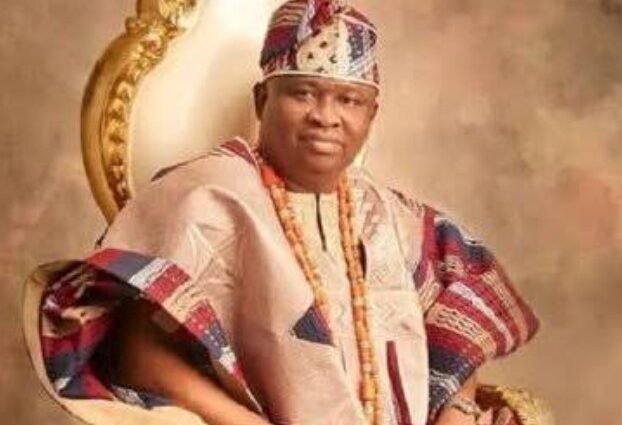

Senator Solomon Olamilekan ‘Yayi’ Adeola

By Is-Haaq Tijani
As Ogun State approaches the 2027 gubernatorial election, the political landscape is buzzing with a rare sense of consensus. For the first time in the state’s history, major stakeholders –including Governor Dapo Abiodun and former governors Olusegun Osoba, Gbenga Daniel and Ibikunle Amosun – have united behind a single figure: Senator Solomon Olamilekan Adeola, popularly known as Yayi.
While Yayi’s adoption as the APC consensus candidate is a massive win for Ogun West’s long-standing quest for the governorship, the arithmetic of victory in the “Gateway State” has always required more than just a single region’s enthusiasm. To ensure a seamless transition and an overwhelming victory, an Egba partner on the ballot is not just a political courtesy—it is a strategic necessity.
Yayi’s track record and broad acceptability have softened many hearts in the Central Senatorial District, but there remains a vocal movement advocating for an Egba indigene to take the top seat in 2027. Groups like the Egba Lokan Agenda 2027 have been clear about their desire to see one of their own leading the state. Placing an Egba man on the ballot as a deputy governor or in a high-stakes partnership validates the Egba interest and bridges the gap between the “Yewa turn” and “Egba aspirations.”
Ogun Central (the Egba bloc) holds a massive chunk of the state’s registered voters. Historically, elections in Ogun State are won by candidates who can secure a simple majority and at least 25 per cent of the votes in two-thirds of the local governments. While Yayi has maternal roots in Kemta, Abeokuta, a running mate who is a full-blooded “son of the soil” from the Egba heartland would solidify the base, neutralising any potential opposition from other parties that might try to exploit regional sentiments.
Ogun State’s political stability has often relied on a delicate balance between its four major sub-ethnic groups: Egba, Ijebu, Remo, and Yewa/Awori. With a Remo governor (Dapo Abiodun) currently in power and an Ijebu (Gbenga Daniel) having served before, both of whom hail from Ogun East Senatorial District, the shift to Yewa (Ogun West) is seen as a move towards equity and justice. An Egba partner ensures that the political nerve centre of the state, Abeokuta, remains directly represented at the highest level of governance, preventing any feeling of exclusion for a long period.
The recent consensus arrangement reached by the APC was a masterstroke designed to avoid a “contentious primary.” Many influential Egba leaders have shown varying levels of alignment with the party’s direction. Solidifying this with an Egba partner on the ticket ensures that the “rainbow coalition” remains intact through the general election.
Yayi’s candidacy represents a historic opportunity to break a 50-year jinx and bring Ogun West into the fold of executive leadership. However, the road to Oke-Mosan is paved with alliances. By pairing Yayi’s massive grassroots appeal with a strong Egba presence on the ballot, the APC can present a unified, unstoppable front that respects the past while building a prosperous future for all indigenes of Ogun State.