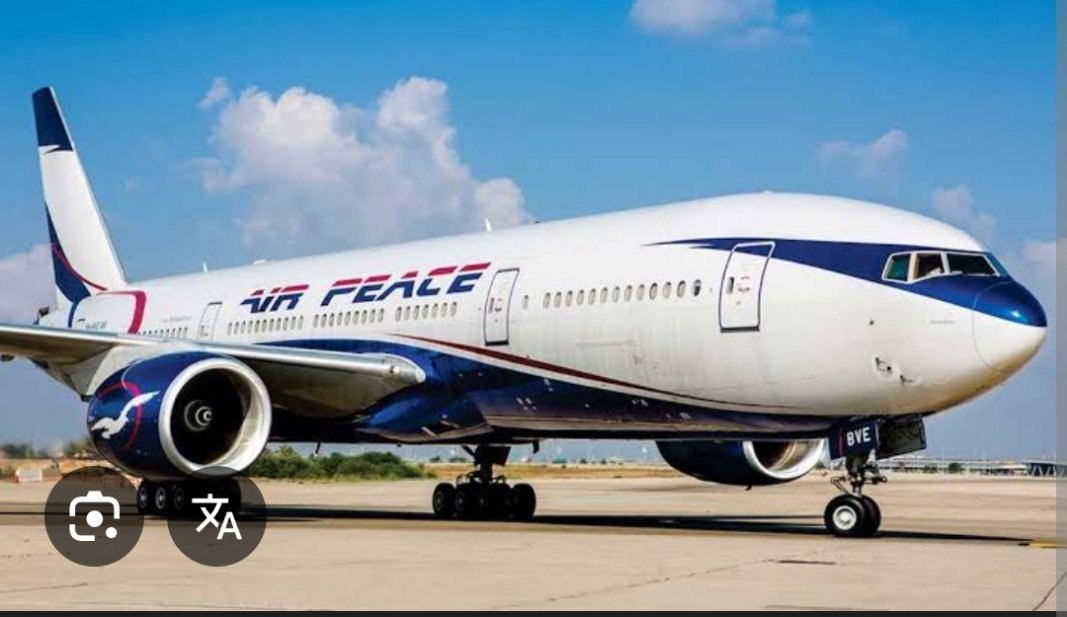
There is a difference between turbulence and avoidable disruption. What passengers experienced on Saturday, delays stretching beyond four hours on Air Peace flights due to jet fuel shortages,falls squarely in the latter category. It raises a question that should unsettle both operators and regulators: why sell tickets for flights you are not reasonably certain you can operate?
To be clear, Nigeria’s aviation sector does not exist in a vacuum. The recurring scarcity and price volatility of aviation turbine kerosene (Jet A1) are real. Supply chains are fragile, foreign exchange constraints persist, and logistics, from importation to distribution, can break down with little notice. Airlines are not solely to blame for these systemic failures.
But passengers are not responsible for them either.
When an airline publishes a schedule and opens its inventory for sale, it is making a promise, implicit but powerful, that it has the operational capacity, including fuel, crew, and aircraft, to deliver that service. Selling tickets in the face of known or reasonably foreseeable fuel constraints shifts risk from the operator to the customer. It converts passengers into unwilling insurers of the airline’s uncertainty.
This is not just an inconvenience; it is a breach of trust.
In many jurisdictions, consumer protection rules require airlines to provide timely information, meaningful compensation, and, crucially, to avoid selling flights they cannot operate. Nigeria has its own framework under the Nigerian Civil Aviation Authority, which mandates passenger rights including care during delays and compensation in certain circumstances. Yet enforcement often lags behind the lived reality at airport terminals, where stranded passengers are left to negotiate refunds, rebooking, or basic updates.
The reputational cost is significant. Air travel, more than most services, runs on confidence. Once passengers begin to factor in a four-hour “buffer” for domestic trips, the entire value proposition of flying, speed, reliability, predictability, erodes. Business travelers miss meetings. Families miss events. The broader economy absorbs the inefficiency.
There is also a strategic contradiction at play. Nigerian airlines have, in recent years, expanded routes and frequencies in a bid to capture market share. But growth without resilience is brittle. Scheduling aggressively while fuel supply remains uncertain is a gamble that, when it fails, is paid for by passengers in lost time and frayed nerves.
What, then, should change?
First, airlines must align sales with verifiable capacity. If fuel supply is constrained, reduce frequencies preemptively rather than maintaining a full schedule on paper. It is better to cancel fewer flights early than to delay many flights late.
Second, transparency must improve. Real-time, honest communication, before passengers leave for the airport, can mitigate anger and allow people to make alternative plans. Silence or vague announcements only deepen frustration.
Third, compensation and care should be automatic, not discretionary. Refreshments, rebooking, and refunds should not require arguments at crowded counters. If delays exceed thresholds, the system should trigger remedies without passengers having to demand them.
Finally, regulators must enforce existing rules with visible consequences. A framework without teeth invites non-compliance. Routine audits of schedule realism, fuel readiness, and passenger handling would send a clear signal that reliability is not optional.
Air Peace, as one of the country’s most prominent carriers, has the opportunity to lead by example. Acknowledging the disruption, compensating affected passengers promptly, and adjusting future schedules to reflect operational realities would be a start.
Airlines sell more than seats; they sell time. And time, once lost on a departure board, is the one thing no passenger can ever get back.
Selling Seats, Grounding Trust: The Cost of Air Peace’s Fuel-Induced Delays