











– diet-related non-communicable diseases such as hypertension, cardiovascular diseases, and stroke are on the rise globally and within Nigeria – DG
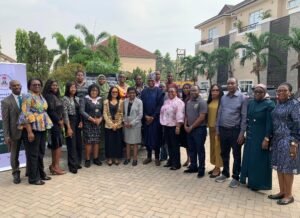
(NAFDAC Director General, Prof. Mojisola Adeyeye in group photograph with stakeholders at the engagement function)

By Biola Lawal
Lagos (Flowerbudnews): The Director General of the National Agency for Food and Drug Administration and Control (NAFDAC),
Prof. Mojisola Christiana Adeyeye has warned against excessive intake of sodium to prevent premature deaths from non- communicable diseases.
The NAFDAC DG gave charge in Lagos on Wednesday while speaking at the Stakeholder Engagement on the NAFDAC Reduction of Sodium in Pre-Packaged Foods Regulations 2026.

Prof. Adeyeye disclosed that excessive sodium intake had been identified as one of the leading dietary risk factors contributing to the global and local rise in diet-related non-communicable diseases such as hypertension, cardiovascular diseases, and stroke.
‘:World Health Organization continues to emphasize sodium reduction as one of the most cost-effective strategies for improving population health and preventing premature deaths from non-communicable diseases,” She stressed, adding;
”In Nigeria, changing dietary patterns, rapid urbanisation, and increased consumption of processed and pre-packaged foods have significantly contributed to higher sodium intake among our population.”

She disclosed that on ”recognizing this emerging public health concern, the Federal Government—through the Federal Ministry of Health and Social Welfare and NAFDAC—has taken proactive steps’: to address the challenge.
The NAFDAC Boss said that the stakeholders engagement reflects the participants’ shared commitment to safeguarding the health of Nigerians and strengthening the national food regulatory framework.
”The Reduction of Sodium in Pre-Packaged Foods Regulations 2026 is a key component of Nigeria’s broader strategy to promote healthier diets and prevent non-communicable diseases,” Prof. Adeyeye said.

She stated further:
These Regulations aim to establish maximum sodium limits in selected categories of processed and pre-packaged foods, ensure clear and transparent labelling of sodium content, and encourage product reformulation by food manufacturers so that consumers can make healthier dietary choices.
However, regulations alone cannot achieve the desired impact without the active participation of all stakeholders.
The food industry plays a central role in reformulating products to reduce sodium content while maintaining safety, quality, and consumer acceptability.
At the same time, regulators, researchers, public health advocates, and consumer organisations must work collaboratively to ensure effective implementation, monitoring, and compliance.
This stakeholder engagement therefore, provides an invaluable platform to:Present and clarify the key provisions of the proposed regulations. Obtain constructive feedback from industry and other stakeholders.Identify practical strategies for implementation.
Strengthen collaboration in advancing healthier food environments in Nigeria. At NAFDAC, we recognize that regulatory reforms must be evidence-based, transparent, and inclusive. Our goal is not to disrupt industry operations, but to work with all partners to create a food system that supports both public health and sustainable economic growth.
The reduction of sodium in our food supply is not merely a regulatory obligation—it is a national health priority. By taking decisive action today, we are protecting future generations from preventable diseases and improving the overall wellbeing of Nigerians.
She encouraged the stakeholders to engage actively, share expertise, and contribute meaningfully to the discussions.
”Your insights will help refine the Regulations and ensure that they are both effective and practical for implementation,” Prof Adeyeye noted.
She expressed sincere appreciation to the Honourable Minister for Health and Social Welfare; Prof. Muhammad Ali Pate, the Director Food and Drug Services, FMoHSW, NHED, other partners and stakeholders who supported the development of the initiative.
She declared: ”Together, we can build a healthier Nigeria through safer and more nutritious food choices.”
Prof. Adeyeye acknowledged the support of several organisations and personalities to the success of the engagement, including the
World Health Organization, NAFDAC Directors, Chief Executive and team from Network for Health Equity and Development (NHED) among others. (Flowerbudnews)