




Women in Music Day: Nigerian Artistes Push for Mentorship, Funding, Safe Spaces
By Oluwaseyi Oduneye-Ogunwomoju
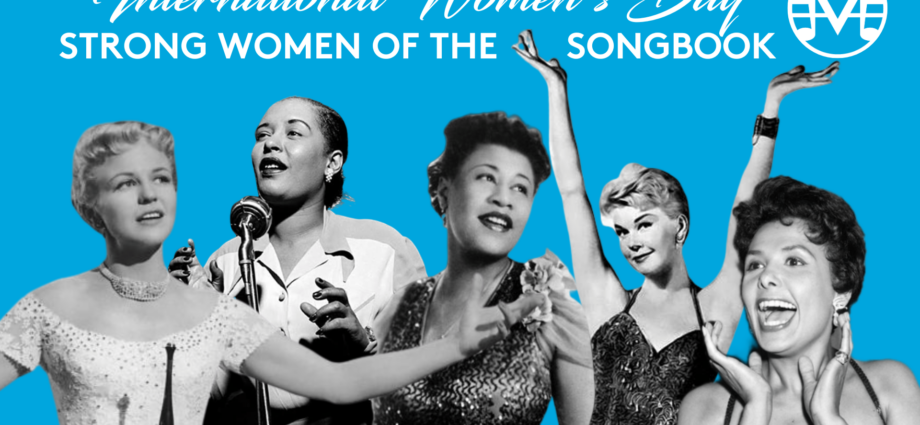
Female musicians in Nigeria on Saturday joined their counterparts worldwide to mark the 2026 International Women in Music Day, highlighting persistent challenges and calling for greater inclusion in the industry.
In separate interviews, the artistes said thriving in a male-dominated space requires resilience, consistency and strong support systems.
Ashionye Ekemode, popularly known as Ashny, said female artistes often face underestimation and must work harder to prove themselves.
“Being in a male-dominated industry comes with challenges, from being underestimated to constantly having to prove your worth,” she said.
“I have learnt to stay focused on my craft, trust my voice and surround myself with supportive people. I believe in my music and vision, and that confidence has helped me break barriers.”
She identified funding, rejection and moments of hopelessness as common struggles for emerging artistes.
“To overcome these, I stayed determined and saved every penny to push my career,” she added.
Ashny noted that women are increasingly making bold strides in the industry but stressed the need for more intentional support.
“There is a need for mentorship, funding and platforms that deliberately uplift female talent. The industry must also create safe spaces where women feel respected and heard,” she said.
Similarly, Funmilayo Ayedogbon, known as ÒDÈRÉ, described her journey as both challenging and empowering.
“The music industry has long been male-dominated, meaning women often have to work twice as hard to be seen and respected,” she said.
“I have chosen to stand confidently in my identity, letting my work speak for itself.”
She cited limited access to funding and difficulty in building the right team as early challenges.
ÒDÈRÉ said consistency, faith and self-investment helped her overcome obstacles, adding that she created her own platform through her annual music event, “Odere Live.”
“There is more visibility and diversity among women in music now, but gaps remain, especially in production, sound engineering and executive roles,” she said.
She called for deliberate efforts by stakeholders to create inclusive opportunities and support young female talents early.
Also speaking, Doyinsola Akinola, popularly known as Doyinsola, said the journey has not been easy but noted steady progress.
“Funding and access to platforms were major challenges at the early stage, but I kept pushing,” she said.
“Social media has created diverse opportunities for promoting music.”
She added that female participation in the industry has improved significantly.
“We will keep encouraging one another. The sky is big enough for everyone,” she said.
In the same vein, Oladele Olajumoke, known as Bayonle, said the challenges of the industry have motivated her to work harder and remain confident.
“My early challenges included limited resources, lack of exposure and balancing creativity with industry expectations,” she said.
“I overcame them by staying consistent, believing in my talent and continuously improving my sound.”
Bayonle acknowledged increased visibility for women but stressed the need for more structured support.
“There should be stronger support systems, mentorship and more opportunities. Creating safe spaces and promoting female talent will boost participation,” she said.
The artistes advised aspiring female musicians to remain focused, embrace their uniqueness and persevere despite challenges.