





Stakeholders urge government to harness youth population for bio-economic growth
By Olatunde Ajayi
Stakeholders in agriculture and economic sectors have called on the government to harness opportunities in Nigeria’s huge youth population to boost the country’s economic diversification.
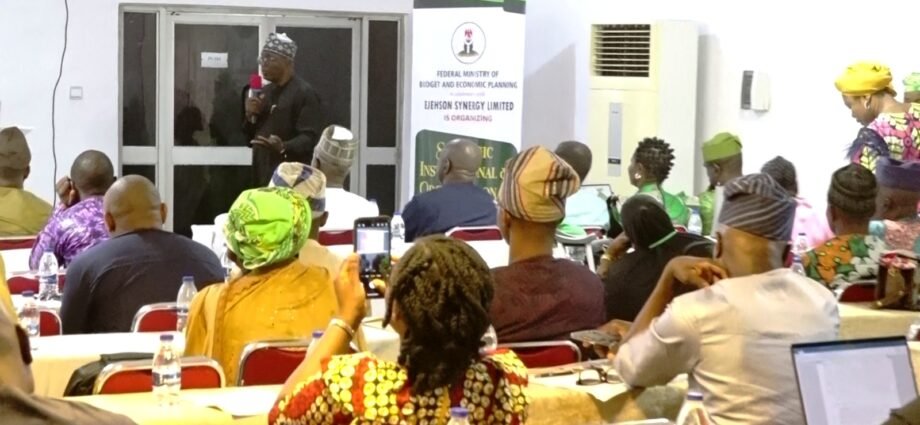
The stakeholders, drawn from Civil Society Organisations (CSOs), academia, research institutions, youths, and farmers’ groups, made the submission at a two-day public-private dialogue on the implementation of the cassava bio-ethanol value chain development project.
The News Agency of Nigeria (NAN) reports that the workshop, organised by the Ministry of Budget and Economic Planning in Ibadan for stakeholders in the southwest geopolitical zone, aimed to discuss how to harness cassava bio-ethanol utilisation in the industry and energy sector for economic transformation.
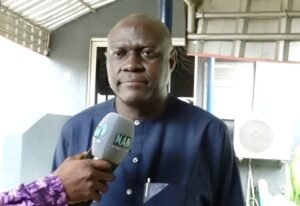
The Executive Secretary, Nigerian Academy of Science, Dr. Doyin Odubanjo, said that Nigeria is yet to fully utilise its youth population, especially in the agriculture value chain, such as the bio-ethanol implementation project.
According to him, more young citizens in their productive age must be encouraged by the government to get involved in anything related to agriculture, particularly cassava bio-ethanol diversification for alternative and cleaner energy for economic growth.
“The youth are an ignored potential wealth of Nigeria. They are critical, and their population is a huge advantage that we have in Nigeria and Africa at large above the rest of the world, which we must maximise,” he said.
He commended the Ministry of Budget and Economic Planning for the inclusion of academia, research institutions, and other critical stakeholders like the Nigerian Academy of Science in the discourse towards effective implementation of the bio-ethanol value chain project.
“We are working with the leadership of the Federal Ministry of Budget and Economic Planning, particularly on the bio-ethanol project, to ensure that everything that is done is evidence-based.
“So what we’re doing is to ensure that this is not a white elephant project. As much as they work with the Nigerian Academy of Science, the academy’s responsibility is to provide technical support from the best brains in science among Nigerians and abroad.
“We are also providing technical support and advice at every stage of the development of the bio-ethanol value chain,” he said.
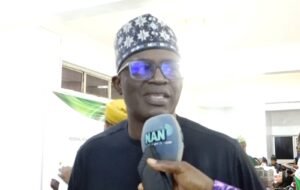
Similarly, the Project Consultant, Dr. Lanre Adekanye, urged the government to provide incentives that would attract youths to get involved in agriculture, especially the cassava bio-ethanol value chain project.
“Our youths can be incentivised to be part of this project. Instead of looking for a white-collar job, a lot of opportunities abound in cassava and ethanol value chain projects.
“Entry barriers facing youths to participate, such as barriers to resources, information, and other challenges, should be addressed by the government with proper sensitisation,” he said.
A youth representative from Ekiti State, Comrade Ayuba Akinola, commended President Bola Tinubu for sustaining economic diversification drive through his renewed hope agenda so that Nigeria can meet up with the standard best practices obtainable around the globe.
“Nigeria cannot be secluded from the realities of the 21st century, 21st century, which is diversification to bio-economy. Bio-economy enriches people, restores investors’ confidence, and is equally environmentally friendly,” he said.
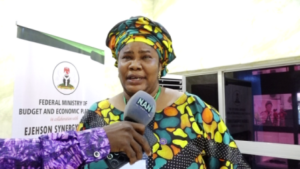
Another participant, Dr. Patricia Amaechi-Obi, from the Federal College of Agriculture, Ibadan, said that women and youths in agriculture need to be empowered to overcome barriers such as land acquisition and funds so as to be able to actively participate in the project.
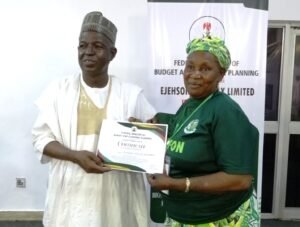
The workshop also featured presentations on the project monitoring and evaluation strategies, tracking and presentation of certificate among others.(NAN) (www.nannews.ng)