



Effective communication: Foundation trains special students on art therapy
The Cope and Live Mental Health Awareness Foundation (CALMHAF) has trained students with hearing and speech impairments on how to use art to express their thoughts leading to effective communication.
The training held at the Special Education Centre, Ogbete, Enugu (a school for hearing and speech impaired students), involved 15 carefully selected students to allow for maximum attention and therapeutic impact.
In a closing remark on Tuesday after the training, CALMHAF’s Executive Director, Rev. Chukwudiebube Nwachukwu, said that the training was in continuation of the foundation’s one-year sustained mental health and empowerment intervention at the centre.
Nwachukwu said that the training session, which was themed: “Expressing Me Without Words”, said that the training was designed for students with hearing and speech impairments, who often face communication barriers in a predominantly verbal world.
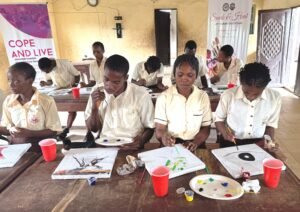
According to him, art becomes a powerful, non-verbal language of healing and self-discovery for these special students/children.
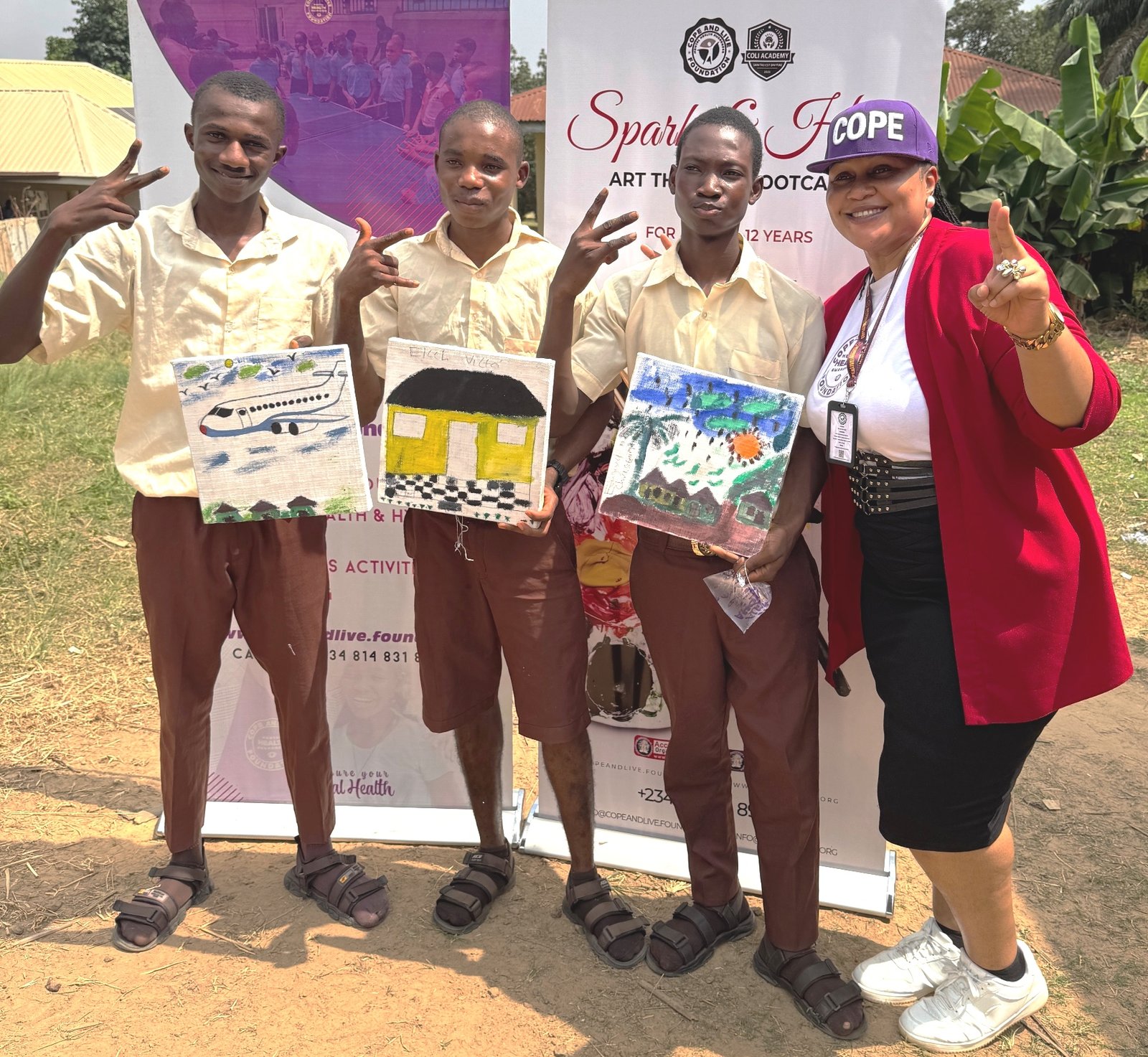
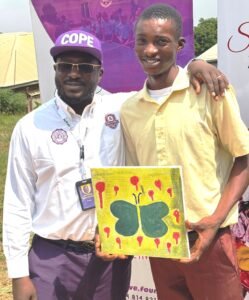
Nwachukwu, who is a certified mental health practitioner, noted that using vibrant paints, canvas boards, brushes and other art materials, each participant created personal artwork that reflected their emotions, dreams and inner world.
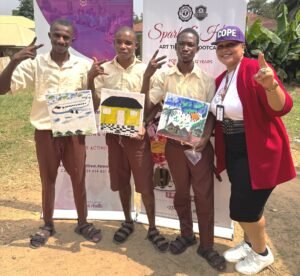
He said, “At the end of the session, every student proudly took their own painting home—a tangible reminder of their creativity and worth.
“Art Therapy is Transformative – for deaf and hard-of-hearing students. Art therapy is a recognised mental health intervention that allows individuals to express thoughts and feelings that are difficult to put into words.
“Global authorities such as the World Health Organization states ‘Arts therapies, including art therapy, are particularly valuable for people with communication difficulties, mental health challenges, or disabilities, as they provide alternative pathways for expression and emotional processing’.
“The American Art Therapy Association emphasises ‘Art therapy is especially effective for individuals who are deaf or hard-of-hearing because it bypasses spoken language entirely, reducing frustration and allowing direct emotional expression’.
“UNICEF (2021) highlights that creative art interventions significantly reduce anxiety, improve self-esteem and strengthen resilience among children with disabilities in low-resource settings.”
Nwachukwu noted that during the session, the students, all of who cannot speak, used colour and imagery to communicate joy, pain, ambition and hope.
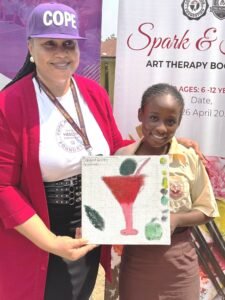
He said that most of their arts and painting depicted their bright futures—tailoring shops, classrooms where they teach, football fields where they played professional football and being good family managers among others.
The executive director said, “Several students who had appeared withdrawn at the start of the session were beaming with excitement by the end, eagerly showing their artwork to teachers and peers.
“Teachers and the school leadership were visibly emotional. One teacher signed, ‘We have never seen some of these children so alive and confident. They did not know they carried such big dreams inside.”
The Co-Founder of CALMHAF and a child psychologist, Mrs Uzoamaka Nwachukwu, said that the CALMHAF team witnessed silence turned into colour, pain transformed into beauty and invisible children becoming boldly visible.
“This is the heart of why Cope and Live Mental Health Awareness Foundation has committed a full year—and beyond—to this school.
“Every stroke of the brush reminded these students that they have a voice, even when the world cannot hear it,” she said.
Responding, the Headmistress of the school, Mrs Virginia Eze, thanked the foundation and requested that art therapy be incorporated regularly into the school calendar.
It would be recalled that CALMHAF Foundation remained committed to walking alongside the students and staff of Special Education Centre, Ogbete, to ensure that no child—regardless of disability—is left unseen, unheard, or without hope.