
By Bassey Asuquo
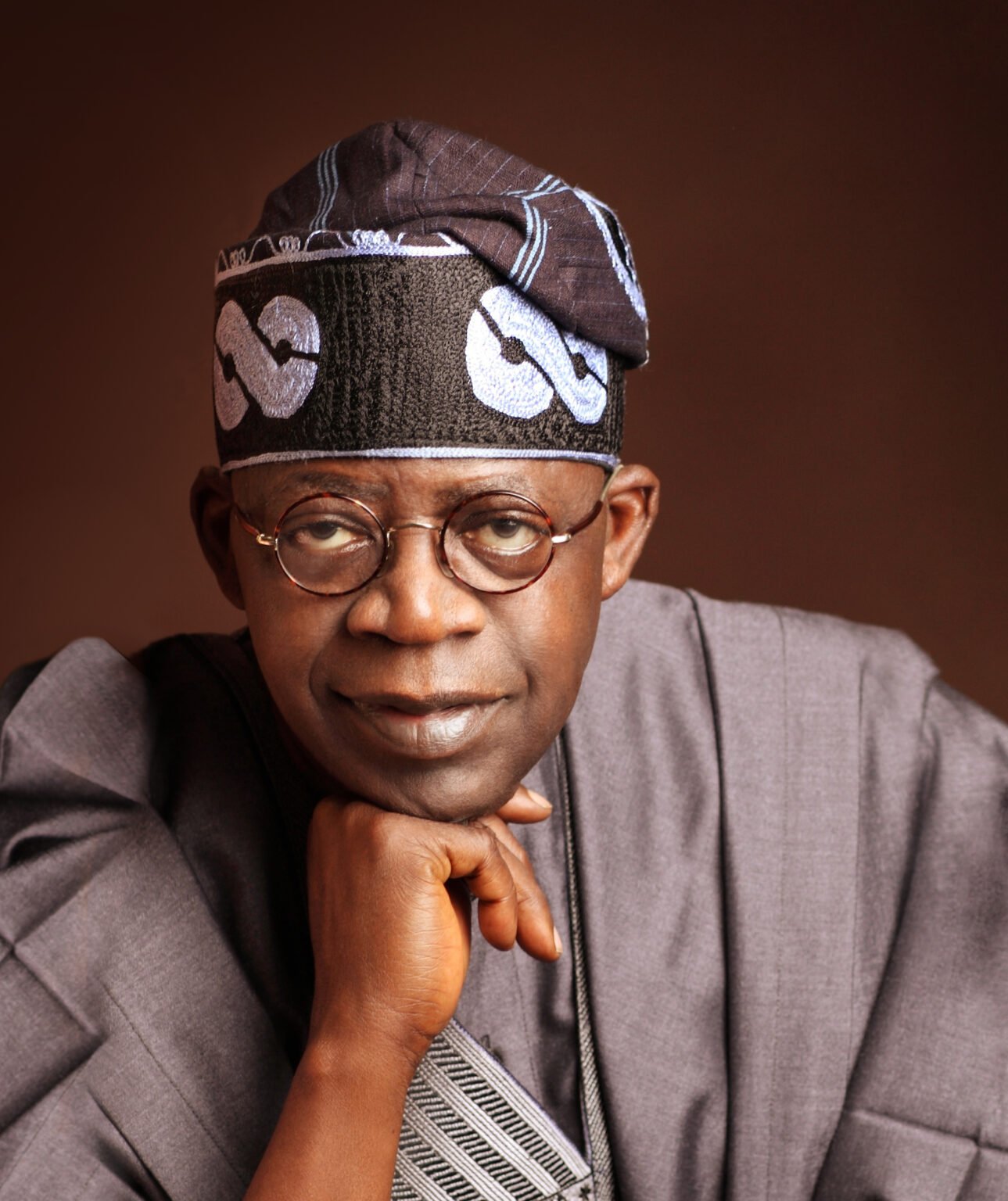
The Tinubu Stakeholders Forum (TSF) has welcomed the Federal Government’s directive mandating all ministries, departments and agencies (MDAs) to procure vehicles from licensed local assemblers, describing it as a significant step towards revitalising Nigeria’s automotive industry, creating jobs and strengthening domestic manufacturing.
The Forum said the directive, being enforced under President Bola Ahmed Tinubu’s Nigeria First Policy, reflects a commitment to ensuring that government expenditure contributes directly to industrial development, increased local production and economic growth.
In a statement by its Chairman Ahmad Sajoh and Secretary Danjuma Sada, the group noted that Nigeria possesses substantial automotive assembly capacity that has remained underutilised despite the country’s considerable demand for vehicles.
According to the National Automotive Design and Development Council (NADDC), Nigeria’s automotive assembly plants have a combined installed capacity of 370,520 vehicles annually.
The Forum observed that prioritising locally assembled vehicles in government procurement would provide a more predictable market for indigenous manufacturers, encourage increased factory production and create opportunities for investment across the automotive value chain.
“For too long, Nigeria has remained heavily dependent on imported vehicles despite possessing domestic automotive assembly facilities capable of meeting part of the country’s transportation needs.
“President Tinubu’s Nigeria First Policy presents an opportunity to reverse this trend by ensuring that government procurement supports Nigerian factories, sustains jobs and encourages the development of local manufacturing capabilities.
“Every vehicle purchased from a Nigerian assembly plant represents an opportunity to support employment, strengthen domestic supply chains and retain greater economic value within the country,” the Forum stated.
TSF further noted that increased vehicle assembly activities could stimulate demand in related industries, including steel, rubber, plastics, glass, automotive components, logistics and maintenance services, thereby extending the benefits beyond vehicle manufacturers.
The Forum particularly welcomed the requirement that MDAs seeking to procure foreign-assembled vehicles must demonstrate the absence of suitable domestic alternatives and obtain presidential clearance.
It also described the introduction of vehicle identification number verification through NADDC, alongside sanctions for non-compliance, as important measures for ensuring that government procurement genuinely benefits licensed local manufacturers.
The Forum also called on the Bureau of Public Procurement (BPP) and NADDC to ensure strict compliance across MDAs while maintaining transparency, competitive pricing and value for public funds.
The Forum urged state governments to key into the initiative by adopting similar procurement policies that prioritise vehicles assembled in Nigeria. TSF noted that extending the policy to the 36 states and the Federal Capital Territory would significantly expand the domestic market for locally assembled vehicles, provide greater certainty for manufacturers and stimulate investments in production facilities, employment and automotive supply chains across the country.
TSF further urged local vehicle manufacturers and assemblers to reciprocate the government’s commitment by adhering strictly to established quality, safety and technical standards. The Forum emphasised that Nigerian-made vehicles must be competitive in durability, reliability, affordability and after-sales support, noting that sustained patronage would depend not only on government procurement policies but also on the ability of manufacturers to deliver products that meet international standards and earn the confidence of Nigerian consumers.
“By linking public procurement to domestic production, the Federal Government has created an opportunity to transform existing automotive assembly capacity into a stronger driver of industrialisation, employment and economic diversification,” TSF concluded.
End