…Husseini urges filmmakers to showcase waterfalls, mountains, scenic landscapes
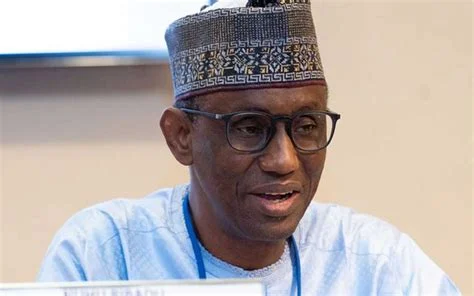
The Executive Director of the National Film and Video Censors Board (NFVCB), Dr Shaibu Husseini, has called on Nigerian filmmakers to leverage the country’s film industry to promote tourism by showcasing its landscapes, waterfalls, mountains and other natural attractions in their productions.
Husseini said films could serve as powerful marketing tools for Nigeria’s tourism industry, exposing domestic and international audiences to the country’s rich natural and cultural heritage and encouraging them to visit destinations featured on screen.
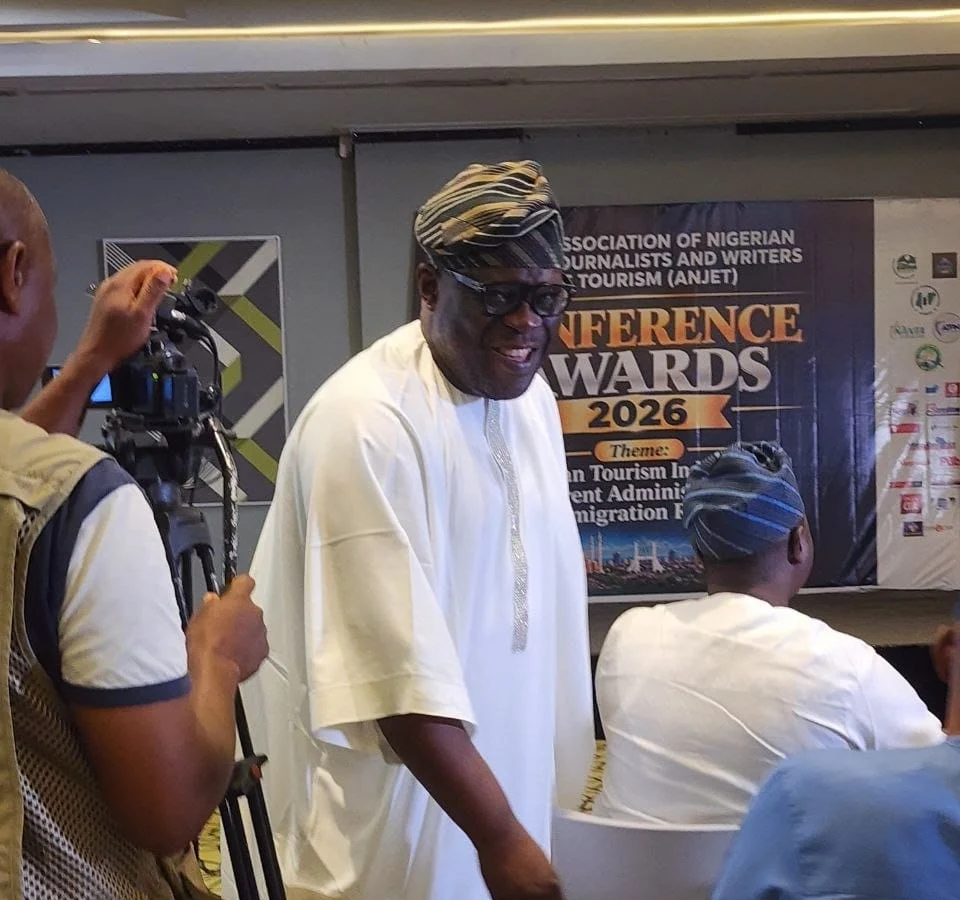
Speaking at the 2026 Annual Conference and Awards of the Association of Nigerian Journalists and Writers of Tourism (ANJET), held at Radisson Blu Hotel, Ikeja, Lagos, he described films as one of the biggest windows through which the world sees Nigeria.
The conference had as its theme, “Nigerian Tourism Industry and Current Administration Reforms.”
According to Husseini, Nigerian films have successfully promoted the country’s fashion, languages, cultural traditions and hospitality, demonstrating their potential to market its tourism destinations to a global audience.
“The films market our fashion. I mean, when you go abroad now, they are asking you for what you are wearing because they see it in our films. They call us Chief, Igwe, Odogwu and all that because they see it in our films. They market our landscapes, our languages and our hospitality,” he said.
He, however, urged filmmakers to pay greater attention to Nigeria’s scenic locations, noting that incorporating such attractions into movie productions could generate awareness and stimulate travel to the destinations.
Husseini recalled how an American visitor drew his attention to a waterfall in Enugu State, lamenting that many Nigerians remained unaware of the country’s tourism assets despite their potential to attract visitors.
“It took an American for me to know that there is a waterfall in Enugu. I mean, an American who came on a visit to know that there are spots where you can go and all that. And these places can become locations in our films,” he said.
He explained that when audiences encounter beautiful landscapes in films, they could develop an interest in visiting the locations, creating opportunities for tourism businesses and host communities.
The NFVCB director cited South Africa as an example of how film and media exposure could influence travel decisions, noting that his visits to the country had been inspired by what he saw in its productions.
He identified Taraba State, with its hills, mountains and lush greenery, as one of the areas whose natural attractions could be promoted through film-induced tourism.
Husseini said the relationship between tourism, culture and filmmaking was essential to expanding Nigeria’s tourism market, adding that collaboration among relevant agencies and private-sector operators would help maximise the opportunities.
He commended the Director-General of the Nigerian Tourism Development Authority (NTDA), Dr Ola Awakan, for efforts to strengthen the relationship between tourism and other sectors, particularly the creative industry.
The NFVCB boss also disclosed that the board was pursuing a digital transformation strategy to make its censorship and classification processes more accessible to filmmakers and encourage international production companies to collaborate with Nigerian practitioners.
He said the digitisation of the processes would reduce bureaucratic bottlenecks and make it easier for international filmmakers to work in Nigeria.
Husseini added that improved regulatory processes, combined with effective visa and immigration arrangements, could support international film productions and encourage more visitors to explore Nigeria’s filming locations.
He urged ANJET to sustain its advocacy for tourism development by holding stakeholders accountable and highlighting the country’s untapped tourism potential.
He maintained that deliberately showcasing Nigeria’s natural beauty, cultural diversity and hospitality through films could strengthen the country’s international image and turn its scenic locations into sought-after tourism destinations.