Bodija Explosion: Makinde’s N30bn Fund Disclosure Raises Fresh Questions Amid 2027 Presidential Ambition
By Adewale Owoade
Oyo State Governor, Seyi Makinde, has disclosed that his administration has spent the N30 billion Federal Government intervention fund released following the January 2024 Bodija explosion in Ibadan.
Makinde made the disclosure during an interview with ARISE News Television on Friday, November 13, 2026, while discussing his political positions and aspirations ahead of the 2027 general elections.
The governor’s disclosure has renewed questions about the management of the intervention fund, particularly in view of the Oyo State Government’s earlier position that the money remained untouched in a dedicated bank account.
Explaining how the fund was utilised, Makinde said his administration engaged the Nigerian Society of Engineers and professional valuers to assess properties affected by the explosion before compensating their owners.
“We’ve spent the money. We got the Nigerian Society of Engineers, we got valuers, you know, they went out there, had the valuation of the properties, and then we gave money back to those people,” he said.
The governor further explained that the money had initially remained in the bank before he instructed the Commissioner for Finance to deploy it to projects after presenting his account of the transaction.
The disclosure is significant because, in a statement issued on Jan. 1, 2026, the state government had maintained that the N30 billion received from the Federal Government remained untouched in a dedicated Infrastructure Support Account domiciled with First Bank of Nigeria as of Dec. 31, 2025.
The state government had also explained that the Federal Government approved N50 billion as intervention support following the tragedy but released only N30 billion, leaving an outstanding N20 billion.
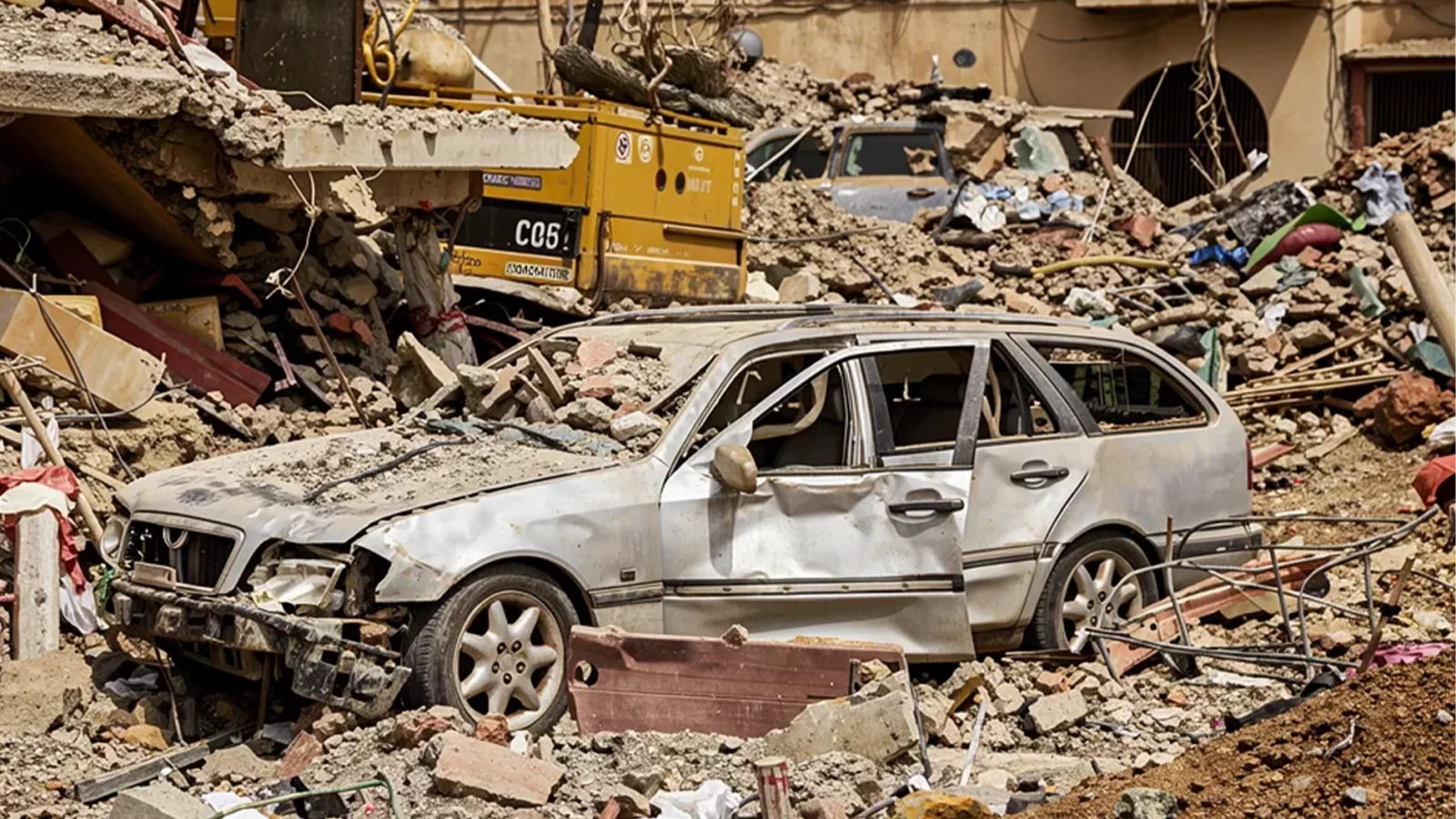
The January 16, 2024 explosion at Adeyi Avenue, Bodija, Ibadan, claimed five lives, injured 77 persons and destroyed or damaged several residential buildings, businesses and other properties.
The tragedy, which was linked by preliminary investigations to explosive materials allegedly stored by illegal miners, displaced residents and disrupted businesses and livelihoods.
Following the incident, the state government announced several intervention measures, including financial assistance, reconstruction and compensation for affected property owners.
In its January 2026 statement, the government also disclosed that it had spent N24.6 billion from its own resources on interventions arising from the explosion.
The expenditure reportedly included N20.141 billion on infrastructure reconstruction and N4.085 billion on support and compensation for victims.
However, some victims have continued to express concerns about the compensation process, particularly the assessment of damaged properties, the amounts received and the treatment of residents who considered the assistance inadequate.
The Human and Environmental Development Agenda (HEDA) also reportedly petitioned the Economic and Financial Crimes Commission (EFCC), seeking an investigation into the receipt, management and utilisation of the intervention funds.
Makinde’s latest disclosure has therefore brought the controversy into sharper focus, raising questions about when the N30 billion was spent, how much was paid to individual beneficiaries and the specific projects funded with the money.
It has also become necessary for the state government to reconcile its January 2026 position with the governor’s latest explanation and publish a comprehensive financial breakdown of the intervention.
Beyond the political exchanges surrounding the fund, affected residents deserve to know how much was received, how much was disbursed, the number of beneficiaries and the outstanding commitments, if any.
The issue has assumed additional significance following Makinde’s recent comments on his political future and the 2027 presidential election.
During the ARISE News interview, the governor described himself as an alternative to President Bola Tinubu, and criticised the Federal Government’s handling of the country’s economy and security challenges.
He also spoke about his disagreement with Tinubu over an alleged agreement on the formation of a government of national unity after the 2023 presidential election.
While the governor is entitled to pursue his political aspirations and defend his administration’s record, the questions surrounding the Bodija intervention fund remain matters of public accountability.
For families who lost loved ones, residents whose homes were destroyed and business owners whose livelihoods were disrupted, the controversy is not simply about political disagreements.
It is about whether the assistance provided after the tragedy reached the intended beneficiaries and whether the resources were deployed transparently.
Nearly three years after the explosion, victims and residents deserve a clear, independently verifiable account of the intervention fund.
As political conversations about 2027 intensify, the demand for accountability over the Bodija tragedy should not be lost in the contest for political power.
The people deserve answers, verifiable records and assurances that the recovery process has not left affected families behind.