


…Urges FG to improve e-Visa system, passenger experience
Nigeria’s immigration reforms could become a major catalyst for tourism growth, international visitor arrivals and investment if effectively implemented, a retired Deputy Comptroller-General of the Nigeria Immigration Service (NIS), Dr Emmanuel Brasca Udo Ifeadi, has said.
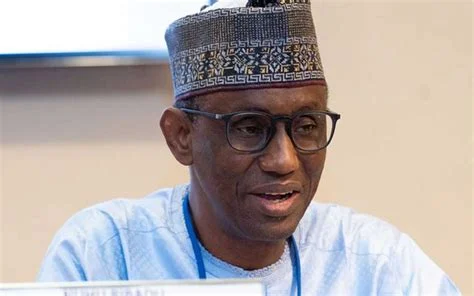
Ifeadi, who was the Guest Speaker at the 2026 annual conference of the Association of Nigerian Journalists and Writers of Tourism (ANJET), said immigration policies should be viewed not only as instruments for national security but also as strategic tools for developing Nigeria’s tourism industry.
Delivering a keynote paper titled, “Nigerian Tourism Industry and the Current Government’s Immigration Reforms,” at Radisson Blu Hotel, Ikeja, Lagos, he explained that immigration procedures often constituted the first formal interaction between international visitors and Nigeria, making their efficiency critical to the country’s reputation as a tourism destination.
He noted that complicated visa procedures, delays at airports and poor customer service could discourage potential visitors, while efficient immigration processes could make Nigeria more attractive to tourists, business travellers, conference delegates and investors.
Citing World Bank data, Ifeadi said travel and tourism contributed 3.7 per cent of Nigeria’s Gross Domestic Product and 3.9 per cent of employment in 2024. However, he observed that Nigeria ranked 112th out of 119 economies in the 2024 Travel and Tourism Development Index.
According to him, the figures underline the need for Nigeria to translate its enormous tourism resources into increased visitor arrivals, employment opportunities and economic growth.
Nigeria boasts a wide range of attractions, including the historic cities of Kano, Benin and Calabar, the beaches of Lagos, Obudu Mountain Resort, Yankari Game Reserve and the Osun-Osogbo Sacred Grove. These attractions, he said, could draw more international visitors if supported by effective travel policies, improved infrastructure and better destination management.
Digital immigration reforms and tourism growth
Ifeadi identified electronic visa processing, digital landing cards and electronic gates at the international airports in Lagos and Abuja among the reforms capable of making travel to Nigeria easier.
Other initiatives include the Nigeria Visa Policy 2025, which provides for electronic visa processing across 13 categories, including the Tourism Visa F5A, as well as technological improvements in passport administration and passenger screening.
He said the reforms, introduced under the Minister of Interior, Olubunmi Tunji-Ojo, and the Comptroller-General of Immigration, Kemi Nanna Nandap, could help reduce bureaucratic bottlenecks and improve the experience of international visitors.
According to him, simplified visa procedures could encourage more tourists to consider Nigeria for holidays, cultural excursions and nature-based experiences, while efficient entry processes could strengthen the country’s appeal as a destination for international conferences, exhibitions and festivals.
He added that improved travel facilitation could also encourage investment in hotels, resorts, restaurants, transportation and other tourism-related services.
The former immigration chief stressed that tourism development required a balance between security and accessibility, noting that technology-driven border management could enable authorities to screen passengers effectively without imposing unnecessary difficulties on genuine travellers.
He recalled the deployment of the e-Passenger Registration System at the Murtala Muhammed International Airport, Lagos, which he said enabled Nigeria to provide authentic passenger information to United States authorities following the December 2009 incident involving Umar Farouk Abdulmutallab.
He said the experience demonstrated how technology could support border security while improving the management of international passenger movements.
Challenges that could undermine reforms
Despite the opportunities presented by the reforms, Ifeadi warned that technical difficulties with electronic visa portals, inadequate awareness of Nigeria’s visa procedures abroad and weak coordination among government agencies could limit their impact on tourism.
He also identified inconsistencies between online immigration procedures and actual airport practices, poor customer service, data protection concerns and inadequate destination infrastructure as issues requiring attention.
He maintained that improving immigration procedures alone would not be sufficient to transform Nigeria into a competitive tourism destination without corresponding investment in roads, hospitality facilities, tourist attractions and visitor services.
He therefore called for stronger collaboration between immigration authorities and tourism stakeholders through an Immigration-Tourism Coordination Framework.
Other recommendations included greater transparency in electronic visa processing, customer service training for immigration personnel at entry points and the establishment of a 24-hour digital helpdesk to assist travellers.
He also urged tourism journalists to monitor the implementation of immigration reforms and examine whether the initiatives were translating into easier entry procedures, improved visitor experiences and increased tourism activity.
For Nigeria to maximise its tourism potential, he said, immigration reforms must be integrated into a broader strategy that promotes the country’s destinations, facilitates international travel and encourages private-sector investment.
The ANJET conference, themed “Nigerian Tourism Industry and Current Administration’s Immigration Reforms,” brought tourism stakeholders and journalists together to examine how government policies could support the growth and competitiveness of Nigeria’s tourism industry.