

Year: 2026

  • Easter: Elder Statesman, Dr Odumegwu, felicitates with Christians, urges unity, peace

    Easter: Elder Statesman, Dr Odumegwu, felicitates with Christians, urges unity, peace

    Easter: Elder Statesman, Dr Odumegwu, felicitates with Christians, urges unity, peace

    An Elder Statesman and Frontline Politician, Dr Ejikeme Odumegwu, has felicitated Christians on completion of 40 days fasting and subsequent Easter celebration that follows it.

    Odumegwu, who holds the title of Owelle of Nsukka, gave the commendation in a Easter Goodwill Message he personally signed and issued to newsmen on Friday in Enugu.

    He called on residents of Enugu State especially the people of Nsukka axis of the state to exemplify the virtues of Jesus Christ’s sacrifice, unity and peace this Easter.


    The frontline politician also called on residents to ensure that they have their Permanent Voter Card (PVC) to actively vote and support the re-election of the performing Governor of Enugu State, His Excellency, Dr Peter Ndubuisi Mbah.

    “As we celebrate and thank God for another Easter; we should not forget the major task ahead, which is re-election of our hardworking and innovative governor, Gov Peter Mbah, who has envisioned a modern and prosperous Enugu State for us and our children.

    “On the same pedestal, vote in leaders who have penchant for modernity and development just like our governor,” he said.


    Odumegwu, who is also the Executive Director of Owelle Ejikeme Odumegwu Foundation, urged the people of Nsukka axis of the state to close ranks and seek leaders that would join Gov. Mbah to facilitate all-round development of Nsukka axis.

    According to him, at this stage of our political development, our people should follow leaders that have their interest at heart and have exemplified it by their philanthropic gestures, actions and programmes.

    “I once again wish all Christians, Bishops and leaders of various denominations as well as women and youth leaders a happy Easter celebration filled with love,” he added.

  • AAU dismisses crisis reports, defends VC appointment process

    EKPOMA — The management of Ambrose Alli University has dismissed as false and misleading recent reports alleging a looming crisis and governance breakdown in the institution.
    In a statement issued by the institution’s Head of Information, Protocol and Public Relations, Mike Ade Aladenika, the university described the publications as “replete with distortions, falsehood and deliberate misrepresentations” aimed at damaging its reputation.
    The management specifically refuted claims that the appointment of the Vice-Chancellor was controversial or in breach of due process, insisting that the exercise followed laid-down procedures and relevant laws guiding university administration in Nigeria.
    According to the statement, the process was conducted transparently and the final decision was taken by duly authorised bodies, contrary to insinuations in the reports.
    The university further defended the performance of the Vice-Chancellor, noting that since assuming office, she has focused on restoring stability, improving academic standards and repositioning the institution for excellence.
    It added that the administration has recorded progress in infrastructure development, accreditation of academic programmes and strengthening of internal processes to enhance efficiency and accountability.
    Management also denied allegations of insubordination, stating that it has maintained respect for the Governing Council and the Visitor at all times, while ensuring decisions are taken in line with extant regulations and in the best interest of the university.
    While acknowledging existing challenges within the institution, the statement stressed that such issues predate the current administration and are being addressed through transparent and reform-driven measures.
    The university accused critics of attempting to personalise institutional issues and portray them as leadership failure, describing such narratives as unfair and counterproductive.
    It urged the public and media to disregard sensational claims and seek clarification through official channels, reaffirming its commitment to integrity, professionalism and stakeholder engagement.
    The management reiterated that the university remains focused on its core mandate of teaching, research and community service, while calling for continued support from stakeholders to sustain peace, progress and institutional development.

  • Atiku’s refusal to step aside fueling “one-party system” – Okechukwu

    Atiku’s refusal to step aside fueling “one-party system” – Okechukwu

    Atiku’s refusal to step aside fueling “one-party system” – Okechukwu


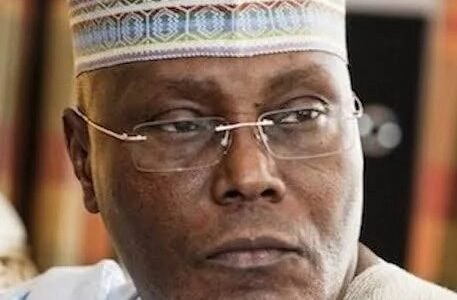
    A founding member of the All Progressives Congress, (APC), Mr Osita Okechukwu, says latest statement by former Vice President, Atiku Abubakar that he is “not stepping aside”, fueling ‘One-Party System’.


    Okechukwu, who was a former Director-General of Voice of Nigeria (VON), said this on Thursday in Enugu while explaining to journalists the import of Atiku’s comments and insistance to run at all cost.


    The APC chieftain noted that there was no better way to fuel ‘One-Party System’ in a state (country) than His Excellency Atiku Abubakar’s embarrassing absence from the Kano grand ceremony by ADC’s leadership.


    He noted that the ADC in grand ceremony welcomed Sen. Rabiu Kwankwaso and by extension the Kwankwasiyya movement into their fold; “at a time when my great party, the APC, is populating its fold”.


    He said, “How can Atiku again bandy the serial propaganda statement that President Tinubu is fueling ‘One-Party System’ State; when he not only covertly opposed the defection of a ‘big fish’ like Kwankwaso to ADC.


    “But issued the sinister statement that he is not stepping aside, when nobody asked him?”


    He recalled that His Excellency Atiku displayed the same anti-democratic tendency during the PDP’s Presidential Primary Election in 2023, which inadvertently destablised the Peoples Democratic Party (PDP) irretrievably.


    Okechukwu argued that repeated allegations of APC constructing so-call one “one-party system” are nothing but a smokescreen to cover the opposition’s deep-seated anti-democratic tendency, disunity, and lack of strategic direction.


    Okechukwu said, “Let it be stated without ambiguity — we are vindicated.


    “Atiku’s declaration has laid bare the real problem of a foremost opposition held hostage by personal ambition, where no one is willing to neither yield ground for the collective good, nor obey the zoning convention.


    “The zoning convention is a unity ornament which guarantees that presidential power rotates from north to south and vice versa, hence inclusion, equity and fairness.”


    He stressed that Atiku’s statement came at a time when Nigerians expect a credible and united opposition; where ADC’s key opposition figures are not locked in a battle of egos, thereby making meaningful coalition impossible.


    The APC chieftain said, “Methinks that as an octogenarian and elder statesman, His Excellency Atiku Abubakar should help build the consensus of Peter Obi and Rabiu Musa Kwankwaso presidential ticket.


    “This will make 2027 presidential election robust, credible, challenging and shining example to the globally community, instead of placing our democracy in unnecessary north-south debacle.


    “For the avoidance of doubt, the strength of the APC lies not merely in incumbency, but in the inability of opposition parties to put their acts together and prioritise national interest over individual ambition.”


    Okechukwu stressed that the real danger to Nigeria’s democracy is not dominance by one party, but the reckless dysfunction of those who should provide balance.

  • CP Giwa presents cheques of N52.9million to 10 families of deceased personnel in Enugu

    CP Giwa presents cheques of N52.9million to 10 families of deceased personnel in Enugu

    CP Giwa presents cheques of N52.9million to 10 families of deceased personnel in Enugu

    The Commissioner of Police in Enugu State, CP Mamman Giwa, has presented cheques totaling N52.9 million to families of deceased police personnel, who paid the ultimate sacrifice on duty.

    Presenting the cheques to 10 deceased families on Thursday in Enugu, Giwa said that he was performing the presentation on behalf of the Inspector General of Police, Mr Olatunji Disu.

    The commissioner also said that the presentation was part of activities marking the National Police Day 2026 Celebration with the theme: “Community Partnership: Building Trust.”

    “I am making this presentation on behalf of the IGP, Mr Olatunji Disu, and urge you to make judicious use of the money by investing it on geninue and profitable business ventures.

    “Please, be wary of close friends and families that we meet you and want to trick you into fraudulent and quick return on investment businesses.

    “Invest wisely and if possible relax and pray over the money to be divinely guided on where to investment the money since another money will not be given to you tomorrow.

    “Remember, you have dependants, who will call for school fees and other fixed expenses,” he said.

    Responding on behalf of the beneficiaries, Rev. Charles Ugwuagu, Reagent of Oboji Enugwo Autonomous Community in Enugu State, said that “the beneficiaries are grateful for the gesture from the IGP and command”.

    Ugwuagu, whose brother is a deceased police officer, appreciated the command for working as a family and remembering the families of the deceased.

    “We thank the IGP, the commissioner and entire command for due diligence, which has made this gesture possible. Thank you all,” he said.

    It would be recalled that the National Police Day 2026 celebration started with a environmental sanitation, health outreach and interaction with members of the public on Monday.

    There was a walkathon on Tuesday and followed with talk on shunning electoral violence and ensuring road safety on Wednesday.

    The grand finale of the celebration will take place on April 7, at Eagle Square, Abuja, featuring a ceremonial parade and procession.

  • MainPower DisCo urges LECAN to embrace technology in operations

    MainPower DisCo urges LECAN to embrace technology in operations

    MainPower DisCo urges LECAN to embrace technology in operations

    The MainPower Electricity Distribution Limited (MEDL) has charged the Licensed Electrical Contractors Association of Nigeria (LECAN) to embrace technology in all its operations.

    The Managing Director of MainPower, Dr Ernest Mupwaya, gave the charge on Thursday in Enugu when he received the newly-elected executives of the Enugu State Wing of LECAN during a courtesy visit.

    .

    Mupwaya specifically urged the association to move away from paper-based processes and adopting digital systems to enhance efficiency and effectiveness in its operations.

    The MainPower boss further emphasised the need for the association to broaden its scope of operations beyond routine documentation processes.

    He encouraged LECAN to explore opportunities such as collaboration with state regulatory agencies responsible for building approvals, describing it as a viable avenue for growth and increased relevance.

    On support to LECAN, the MainPower boss assured the association of the company’s support.

    Mupwaya also reaffirmed MainPower’s willingness to maintain a strong working relationship with LECAN.

    He stressed the importance of internal restructuring within the association, alongside the development of a comprehensive database of registered electrical contractors, including their office addresses.

    According to him, this will help identify legitimate members and distinguish them from non-members operating within the system.

    He pledged to investigate the concerns raised by LECAN and take appropriate action against any individual or group found culpable, whether staff of MainPower or members of LECAN.

    Earlier, the Chairman of LECAN, Enugu State Wing, Engr. Calistus Nweke, who was accompanied by members of his executive, highlighted several operational challenges facing the association.

    He sought the intervention of MainPower’s management, particularly on issues affecting the credibility of LECAN’s role in the customer onboarding process.

    “This visit was aimed at formally introducing the new leadership of the association and strengthening collaboration between both organisations toward promoting efficiency, professionalism, and standardisation in their operations,” he said.

    The MainPower managing director received the LECAN delegation in the company of the Chief Technical Officer, Engr. Chimezie Chukwu, and the Chief Commercial Officer, Mr. Ikenna Akabuogu.

  • Oyo Opens Power Sector to Investors, Unveils New Electricity Market Framework

    Oyo Opens Power Sector to Investors, Unveils New Electricity Market Framework

    Oyo Opens Power Sector to Investors, Unveils New Electricity Market Framework.

    ‎By Adewale Owoade.

    ‎The Oyo State Government has commenced a major overhaul of its electricity sector, opening up the market to private investors as part of a broader strategy to improve power supply, drive economic growth, and enhance service delivery.

    ‎The Commissioner for Energy and Natural Resources, Prof. Dawud Sangodoyin, made this known during a press conference at the Governor’s Office in Ibadan.

    ‎He said the reform, anchored on a new regulatory framework, would allow multiple operators to participate across the electricity value chain, including generation, transmission, and distribution.

    ‎According to him, the state has already created an enabling environment for investment by segmenting its electricity market into industrial, institutional, residential, and underserved clusters to attract targeted solutions.

    ‎“We are deliberately opening up the electricity space to credible investors. Our framework allows them to study our electricity priority plan, conduct feasibility assessments, and deploy tailored solutions,” Sangodoyin said.

    ‎He disclosed that more than 30 potential investors had already been engaged, with at least one showing interest in hydroelectric power generation.

    ‎To strengthen oversight, the commissioner noted that the Oyo State Electricity Regulatory Commission had been empowered as the primary authority to license operators and regulate activities within the sector.

    ‎“There is now a functional local regulator responsible for licensing, tariffs, and service delivery. Any operator in the electricity space within the state must comply with the commission’s guidelines,” he said.

    ‎He added that the commission had introduced a complaint resolution mechanism, promising to address issues raised by residents and businesses within 72 hours.

    ‎Despite the focus on market liberalisation, Sangodoyin acknowledged the significant gap in electricity supply, revealing that the state currently generates between 151 and 182 megawatts, far below the estimated 520 megawatts required for optimal performance.

    ‎To address this, he said the government had initiated short- and medium-term interventions, including a 12-megawatt independent gas-powered project expected to come on stream within two months.

    ‎He explained that the project would increase available capacity to about 194 megawatts in the short term, while longer-term plans aim to raise supply to nearly 300 megawatts by 2027.

    ‎As part of infrastructure improvements, the independent power project will prioritise electricity supply to critical government facilities in Ibadan, including the State Secretariat, Government House, and the judiciary, as well as street lighting networks.

    ‎“We are starting with critical infrastructure to improve efficiency in governance, while also exploring ways to extend benefits to surrounding communities through energy audits,” he said.

    ‎Sangodoyin further disclosed that the state had begun integrating renewable energy into its mix, with pilot solar-powered street lighting projects already showing promising results.

    ‎On policy alignment, he assured that the state’s electricity reforms were consistent with existing national laws, including the Electricity Act and the Petroleum Industry Act.

    ‎“We are working in harmony with federal regulations to ensure that our reforms deliver mutual benefits without conflict,” he said.

    ‎The commissioner also emphasised the need to avoid monopolies in the sector, noting that competition among multiple operators would lead to improved service delivery and more competitive pricing.

    ‎“Encouraging competition is key. It ensures efficiency, innovation, and better outcomes for consumers,” he added.

    ‎While acknowledging transitional challenges, particularly with existing distribution companies, Sangodoyin expressed optimism that ongoing stakeholder engagements would ensure a smooth reform process.

    ‎He reiterated the government’s commitment to building a sustainable electricity market that supports businesses, reduces operational costs, and improves the quality of life for residents.

  • BPP seeks stronger procurement practices to boost national development

    BPP seeks stronger procurement practices to boost national development

    Flowerbud News/ The Director-General of the Bureau of Public Procurement (BPP), Dr Adedokun Adebowale, has urged procurement officers to strictly adhere to rules to drive reforms and national development.

    Adebowale made the call on Thursday while presenting a paper titled “Transforming Public Procurement Systems through Reforms and Innovations for Sustainable Development: A Strategic Playbook”.

    He spoke at the third capacity-building event of the Association of Public Procurement Practitioners of Nigeria which held in Lagos.

    He urged procurement officers to always lead by example, stressing that failure to follow established regulations weakened the system and undermined public trust.

    “If procurement officers do not submit to rules, they can not expect others to comply,” he said.

    Adebowale described public procurement as the largest component of government expenditure and a key driver of national development outcomes.

    He said every procurement decision either strengthened public trust through quality delivery or eroded confidence through compromised processes.

    According to him, Nigeria must shift from a legacy system focused on paperwork and narrow compliance to one centred on service delivery, innovation, and measurable impact.

    He outlined seven pillars for a sustainable procurement system, namely, transparency, integrity, competition, efficiency, digital transformation, professional capacity, and accountability.

    “Transparency through open contracting and public disclosure will reduce corruption and improve trust in government processes,” he said.

    He emphasised ntegrity, urging practitioners to avoid conflicts of interest and uphold ethical standards in all procurement activities.

    The director-general said that improved efficiency had led to savings of about N1.1 trillion within 11 months, compared to N2.2 trillion saved over two decades.

    He attributed the gains to strengthened oversight, price intelligence mechanisms, and direct access to leadership.

    Adebowale highlighted digital transformation as critical, noting increased adoption of electronic submission platforms and plans for a full e-procurement system.

    He said classification of contractors based on competence would eliminate manipulation and ensure only qualified firms handled specific projects.

    He stressed the importance of collaboration between public and private sectors, noting that effective procurement requires both demand and supply sides working together.

    Adebowale urged private sector players to train their staff in public procurement processes and align with national reform objectives.

    He also advocated localisation policies, including prioritising Nigerian-made goods and services to boost domestic industries and employment.

    The director-general said affirmative procurement would allocate 30 per cent of contracts to vulnerable groups, including women, youths, and persons with disabilities.

    He said that community-based procurement would enable local participation in projects across the country’s 774 local government areas.

    Adebowale called for stronger oversight and early detection mechanisms, including publication of procurement data and regular audits.

    He said enforcement would involve collaboration with anti-corruption agencies to investigate and prosecute infractions.

    According to him, procurement officers must embrace continuous learning, ethical conduct, and professionalism to sustain reforms.

    “Procurement is not paperwork; it is nation building,” he said.

    Adebowale said a strong procurement system would enhance economic growth, reduce poverty, attract investment, and promote fairness across society.

    He urged practitioners to choose integrity and transparency, noting that their decisions would determine whether public confidence is strengthened or eroded.

    Also making a presentation, the Director-General, Lagos State Public Procurement Agency, Mr Fatai Onafowote, called for stronger procurement systems to drive sustainable development.

    Onafowote urged practitioners to uphold professionalism and embrace transparency, accountability, and value for money.

    He described procurement as a strategic process that supports government service delivery and influences economic, social, and environmental outcomes.

    Onafowote stressed the need for digital transformation through e-procurement to improve efficiency and reduce corruption.

    He also advocated support for local industries, SMEs, and vulnerable groups through inclusive and competitive procurement practices.

    The director-general highlighted Lagos state’s progress in e-procurement and environmental sustainability initiatives.

    He said a strong procurement system would boost economic growth, promote inclusion, and improve citizens’ quality of life.

    NAN

  • Tinubu’s foresight: How his policy of naira-for-crude guarantees fuel supply security in Nigeria

    Tinubu’s foresight: How his policy of naira-for-crude guarantees fuel supply security in Nigeria


    By Temitope Ajayi

    President Bola Tinubu demonstrated foresight in July 2024, when he approved the use of the naira as the payment currency for crude oil supplied by the NNPC to the Dangote Refinery. Since the launch of the naira-for-crude initiative on October 1, 2024, Nigeria has experienced a strategic breakthrough amid the ongoing economic turmoil resulting from the Iran-Israel-US conflict in the Middle East.

    Since its inception, the technical committee on naira-for-crude, which has the Minister of Finance and Coordinating Minister of the Economy, Wale Edun and Executive Chairman of the Nigerian Revenue Service, Zacch Adedeji and others as members, the Federal government has developed a robust framework that has ensured the Presidential initiative continues to deliver on its core objectives by maintaining supply security, stabilising the economy, and safeguarding Nigeria’s energy future.

    The US/Israel-Iran war has now entered its 6th week, triggering global economic chaos. With no immediate end in sight, the conflict has been exacerbated by Iran’s closure of the Strait of Hormuz, an important maritime corridor between the Persian Gulf and the Gulf of Oman, that accounts for over 20% of global oil and gas flows. The disruption of this vital waterway has sent shockwaves through energy markets worldwide.

    Across Europe, the United States, Asia, Africa, and the Middle East, prices for LPG, LNG, PMS, and diesel have skyrocketed, placing enormous pressure on households and governments alike. The rising costs of energy have intensified economic strain on many nations, especially those with limited resources, where transportation and basic goods are becoming increasingly unaffordable.

    While the cost of PMS and other petroleum products has also gone up in Nigeria, as in other countries, the global energy crisis has not led to a domestic scarcity of petroleum products, unlike in major countries where people are standing in long queues for days at gas stations. Many countries in Europe, Asia, and major African countries, such as South Africa and Kenya, now rely on supplies from Nigeria through the Dangote Refinery.

    The Dangote Refinery, located in Lekki, Lagos, has validated the strategic importance of local production and refining capacity for a country as critical as Nigeria, a regional economic powerhouse. There is no doubt that the ongoing conflict in the Middle East has exposed critical vulnerabilities in the global energy supply architecture.

    The conflict has constrained crude oil and refined product availability, triggering acute shortages and sharply rising energy costs across many markets. Countries that historically depended on the import of refined products are currently experiencing disruptions to their supply chains, with immediate and visible consequences.

    A few examples: Vietnam is encouraging people to work from home to reduce transportation costs. The Thai government has ordered civil servants to conserve energy in public buildings and is considering whether to compel private businesses to do the same.

    Bangladesh told universities to close early for a holiday and imposed daily limits on fuel sales. Pakistan has implemented emergency measures, including a four-day government work week and temporary school closures, to conserve energy. Indian restaurants are closing their doors due to LPG scarcity. In Egypt, shops and restaurants are mandated to close by 9 pm every day as part of the government’s exceptional measures to combat soaring energy prices. In the Philippines, the government has declared a national energy emergency. In parts of the United States, Americans join long queues to buy fuel.

    Fortunately, the Dangote Refinery has largely shielded Nigeria from the worst effects of the global supply crisis. By scaling up production at a critical time before the escalation of the conflict, the refinery has met Nigeria’s refined products requirements.

    Even in the face of more attractive export options, the Dangote Refinery committed to prioritising Nigeria’s energy security. This commitment has ensured full availability of petroleum products with zero queues, while other countries grapple with scarcity.

    While the price of petroleum products has had to go up, this is being managed to reduce the impact on Nigerians. For example, despite a 10% increase in crude oil prices over the last couple of days, the Refinery has cut petrol prices by 75 Naira per litre. This was done, even though the refinery is paying an additional premium of up to $18 per barrel for Nigerian crude oil cargoes. This is the benefit of local refining.

    The Dangote Refinery is transforming Nigeria into a more resilient and energy‑independent nation, providing all‑year‑round availability of petroleum products and enabling the country to withstand external shocks better. Petrol queues, even during festive seasons, have disappeared since the Refinery commenced PMS production in Oct 2024. What is perhaps not visible to many Nigerians is how this was achieved while simultaneously eliminating the huge demurrage bill that NNPC used to incur in maintaining safety stock on several floating vessels.

    Furthermore, the ongoing crisis has positioned Nigeria as a strategic and credible exporter to Africa – a role with long-term commercial and diplomatic significance as African governments seek more resilient and integrated energy supply arrangements.

    Since the conflict began, the Dangote Refinery has ramped up exports to Africa in a bid to help shore up supply across the continent. In March, the refinery exported close to 500,000 tons of refined products to various African countries, generating export earnings for Nigeria.

    This underlines the importance of local production and the need for Africa’s industrialisation as championed by the Dangote Group. Not only does local production create and sustain jobs for thousands of people, preserve foreign exchange, and stimulate other sectors of the economy, but more importantly, as we have seen, it insulates the country from global volatility, supply disruptions, and geopolitical risks that continue to batter import-dependent economies in times of stress.

    The Dangote Refinery is more than an industrial asset; it is the foundation of Nigeria’s energy sovereignty and a catalyst for sustainable economic growth.

    *Temitope Ajayi is the Senior Special Assistant, Media and Publicity to President Tinubu

  • NAFDAC DG Counsels Against Excessive Sodium intake, to Prevent Premature Deaths

    NAFDAC DG Counsels Against Excessive Sodium intake, to Prevent Premature Deaths


    – diet-related non-communicable diseases such as hypertension, cardiovascular diseases, and stroke are on the rise globally and within Nigeria – DG

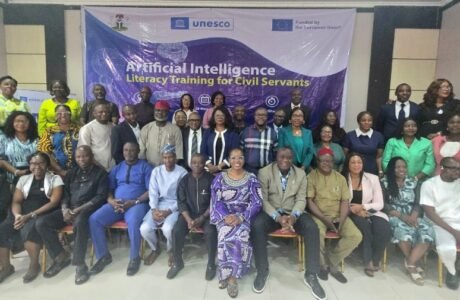
    (NAFDAC Director General, Prof. Mojisola Adeyeye in group photograph with stakeholders at the engagement function)


    By Biola Lawal
    Lagos (Flowerbudnews): The Director General of the National Agency for Food and Drug Administration and Control (NAFDAC),
    Prof. Mojisola Christiana Adeyeye has warned against excessive intake of sodium to prevent premature deaths from non- communicable diseases.

    The NAFDAC DG gave charge in Lagos on Wednesday while speaking at the Stakeholder Engagement on the NAFDAC Reduction of Sodium in Pre-Packaged Foods Regulations 2026.

    Prof. Adeyeye disclosed that excessive sodium intake had been identified as one of the leading dietary risk factors contributing to the global and local rise in diet-related non-communicable diseases such as hypertension, cardiovascular diseases, and stroke.

    ‘:World Health Organization continues to emphasize sodium reduction as one of the most cost-effective strategies for improving population health and preventing premature deaths from non-communicable diseases,” She stressed, adding;

    ”In Nigeria, changing dietary patterns, rapid urbanisation, and increased consumption of processed and pre-packaged foods have significantly contributed to higher sodium intake among our population.”

    She disclosed that on ”recognizing this emerging public health concern, the Federal Government—through the Federal Ministry of Health and Social Welfare and NAFDAC—has taken proactive steps’: to address the challenge.

    The NAFDAC Boss said that the stakeholders engagement reflects the participants’ shared commitment to safeguarding the health of Nigerians and strengthening the national food regulatory framework.

    ”The Reduction of Sodium in Pre-Packaged Foods Regulations 2026 is a key component of Nigeria’s broader strategy to promote healthier diets and prevent non-communicable diseases,” Prof. Adeyeye said.


    She stated further:

    These Regulations aim to establish maximum sodium limits in selected categories of processed and pre-packaged foods, ensure clear and transparent labelling of sodium content, and encourage product reformulation by food manufacturers so that consumers can make healthier dietary choices.

    However, regulations alone cannot achieve the desired impact without the active participation of all stakeholders.

    The food industry plays a central role in reformulating products to reduce sodium content while maintaining safety, quality, and consumer acceptability.

    At the same time, regulators, researchers, public health advocates, and consumer organisations must work collaboratively to ensure effective implementation, monitoring, and compliance.

    This stakeholder engagement therefore, provides an invaluable platform to:Present and clarify the key provisions of the proposed regulations. Obtain constructive feedback from industry and other stakeholders.Identify practical strategies for implementation.

    Strengthen collaboration in advancing healthier food environments in Nigeria. At NAFDAC, we recognize that regulatory reforms must be evidence-based, transparent, and inclusive. Our goal is not to disrupt industry operations, but to work with all partners to create a food system that supports both public health and sustainable economic growth.

    The reduction of sodium in our food supply is not merely a regulatory obligation—it is a national health priority. By taking decisive action today, we are protecting future generations from preventable diseases and improving the overall wellbeing of Nigerians.

    She encouraged the stakeholders to engage actively, share expertise, and contribute meaningfully to the discussions.

    ”Your insights will help refine the Regulations and ensure that they are both effective and practical for implementation,” Prof Adeyeye noted.

    She expressed sincere appreciation to the Honourable Minister for Health and Social Welfare; Prof. Muhammad Ali Pate, the Director Food and Drug Services, FMoHSW, NHED, other partners and stakeholders who supported the development of the initiative.

    She declared: ”Together, we can build a healthier Nigeria through safer and more nutritious food choices.”

    Prof. Adeyeye acknowledged the support of several organisations and personalities to the success of the engagement, including the
    World Health Organization, NAFDAC Directors, Chief Executive and team from Network for Health Equity and Development (NHED) among others. (Flowerbudnews)